TL;DR
Destiny Engineering Protocol (御用移星換斗法) is the classical Chinese term for the highest tier of Imperial Feng Shui — not a metaphor, but a technical description of literally restructuring the celestial forces governing a person’s destiny. Most feng shui practitioners can only read a chart and advise clients on navigating its constraints; a first-class practitioner like Grand Master David Goh uses consecrated Imperial Harvest treasures to change the elemental environment itself, removing structural ceilings on wealth and destiny rather than working around them. This capability cannot be studied — it requires unbroken lineage authority passed directly from master to disciple — which is why practitioners who can genuinely perform it have always been, and remain, extraordinarily rare.
Imperial Harvest’s proprietary protocol for first-class destiny intervention. Why it cannot be treated as metaphor — and why the practitioners who can execute it have always been rare.
In Chinese metaphysics, a few capabilities carry more weight than others. The Imperial Destiny Engineering Protocol — 御用移星換斗法, yù yòng yí xīng huàn dǒu fǎ — is one of them. It is Imperial Harvest’s formal designation for the capability that distinguishes first-class Imperial Feng Shui from every tier beneath it. It is also a capability that most contemporary practitioners gesture towards but cannot deliver — invoking poetic language of change and transformation, or sidestepping the subject entirely because what the Protocol literally describes cannot be performed within the limits of civilian-transmitted practice.
At Imperial Harvest, Grand Master David Goh uses the Imperial Destiny Engineering Protocol as a technical description of a specific operation. Not a flourish. Not an aspiration. A named, executable act with a named, executable mechanism. To understand Imperial Feng Shui at its highest tier is to understand what the Imperial Destiny Engineering Protocol actually means — and why the practitioners who can perform it have always been rare enough to count on both hands.
The protocol, decoded
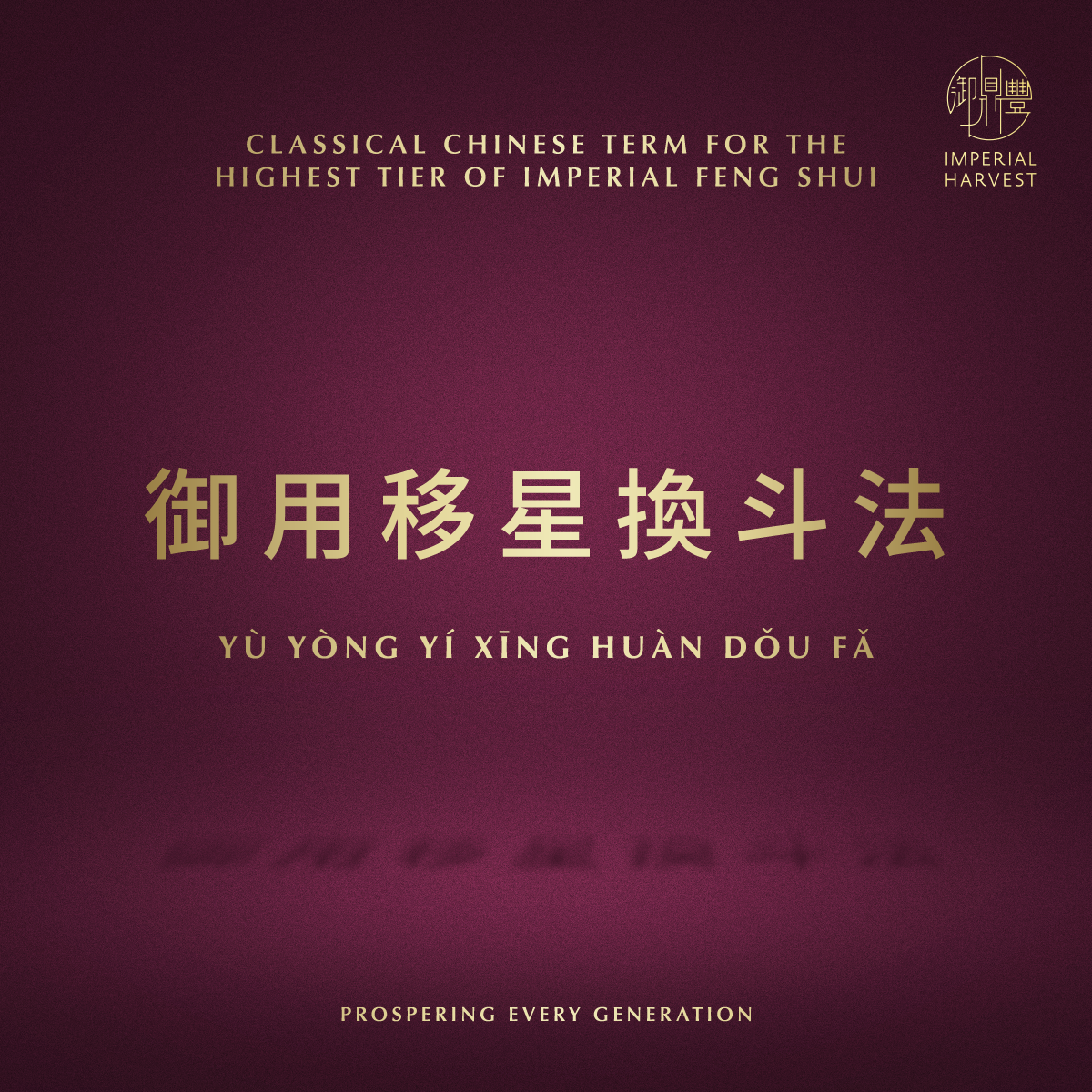
The seven characters of 御用移星換斗法 decompose precisely. 御用 — yù yòng — means imperial-designated or court-authorised: the qualifier that formally distinguishes a capability transmitted through imperial lineage from civilian-tier practice. 移 — yí — means to move. 星 — xīng — means star. 換 — huàn — means to change or to exchange. 斗 — dǒu — refers specifically to the Northern Dipper, the 北斗七星 — the seven stars that in imperial Chinese cosmology constitute the axis around which the heavens rotate and through which the architecture of human destiny is governed. 法 — fǎ — means method, protocol, or governing law: the designation of this capability as a formal, systematic, transmissible practice rather than a poetic aspiration.
Read in full: the Imperial Designation (御用) to Move the Stars (移星), Change the Dipper (換斗), through a formalised Protocol (法). To restructure the governing configuration of the Northern Dipper’s influence over a person’s destiny — under imperial authority, through a lineage-transmitted method.
Most practitioners who encounter the classical phrase at the root of this Protocol read it as metaphor. Surely, they reason, no one literally moves stars. The phrase must mean to shift the energy or to change the feeling or to bring about auspicious circumstances. This reading is understandable. It is also exactly wrong. The 御用 qualifier in the Protocol’s name is not decorative. It names the source of authority required to perform the operation — and it is precisely the authority that civilian-transmitted practice cannot confer. The 法 suffix is equally significant: it designates a protocol with formal structure, not a poetic aspiration.
In the imperial Taoist understanding of destiny, the stars do not merely shine. They govern. The 北斗七星 — each presided over by a celestial deity — are the direct administrators of seven domains of human life: lifespan, fortune, rank, relationships, health, wisdom, and longevity. To move the stars is to intervene in that administration. To change the Dipper is to restructure the governing configuration before it is executed into the life of the person whose destiny it governs. The Imperial Destiny Engineering Protocol is not poetic. It is procedural. It describes, with classical precision and imperial authority, what a first-class practitioner is doing when he executes the operation.
Book A Free Consultation
Reading destiny, and moving it
The clearest way to understand the Imperial Destiny Engineering Protocol is to understand what it is not. It is not a reading. It is not an interpretation. It is not a prediction. It is not advice.

In the imperial Taoist understanding, there are two fundamentally different categories of practitioners. Those who read destiny, and those who move it. The first category is vast. Astrologers, Bazi analysts, Feng Shui consultants, and diviners of every tradition share this function: they interpret the existing configuration of forces governing a person’s life. They tell the client where they stand. They tell the client what is coming. They tell the client what to expect. Their work is valuable — and it is, ultimately, descriptive. The second category is vanishingly rare. To move destiny is not to interpret the existing configuration. It is to change it.
Reading destiny and moving destiny are not two points on the same spectrum. They are categorically different acts — requiring categorically different levels of celestial authority to perform.
— Grand Master David Goh
This distinction is the centre of Imperial Harvest’s entire practice. A second-class practitioner can read a chart with genuine accuracy. He can identify elemental constraints, map timing cycles, diagnose the forces working against a client, and advise the client on how to navigate within those constraints. His diagnostic skill is real. The guidance he offers is valuable. But his work remains, at its ceiling, descriptive. He reads the territory with precision. He cannot move it.
A first-class practitioner operates at a different altitude entirely. He does not advise the client on how to work within the existing configuration. He restructures the configuration itself. The forces governing the client’s career, wealth, and benefactor relationships — the forces that a second-class reading correctly identifies as constraints — are not, in the first-class practice, permanent features of the chart. They are conditions that can be physically altered. That alteration is what the Imperial Destiny Engineering Protocol delivers.
How the Protocol actually works
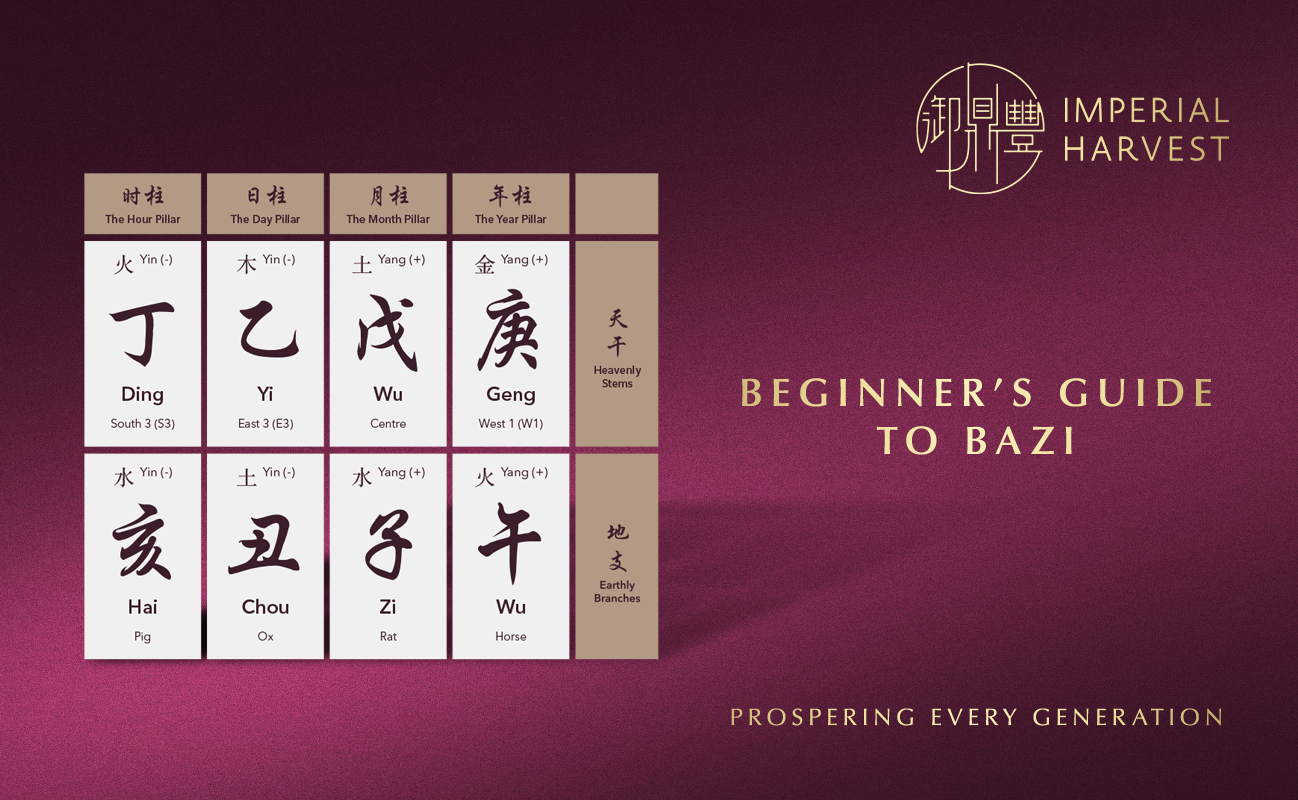
The mechanism, stated as precisely as possible: a Bazi chart reveals which elemental forces are supporting a person and which are suppressing them. If a client has a wealth structure that is being crushed by an opposing element — a Metal suppression on a Wood wealth configuration, to use one example — the client’s wealth output will be capped regardless of effort, intelligence, or strategy. The ceiling is not psychological or behavioural. It is structural. The elemental environment in which the chart operates does not permit the wealth configuration to express what it is otherwise capable of producing.
A second-class practitioner will correctly identify this constraint, and will then advise the client on how to work with it — recommending certain colours, certain directions, certain timings, certain commercial cures. These recommendations can help the client navigate within the constraint. They do not remove it. The constraint is structural, and advice cannot restructure it.
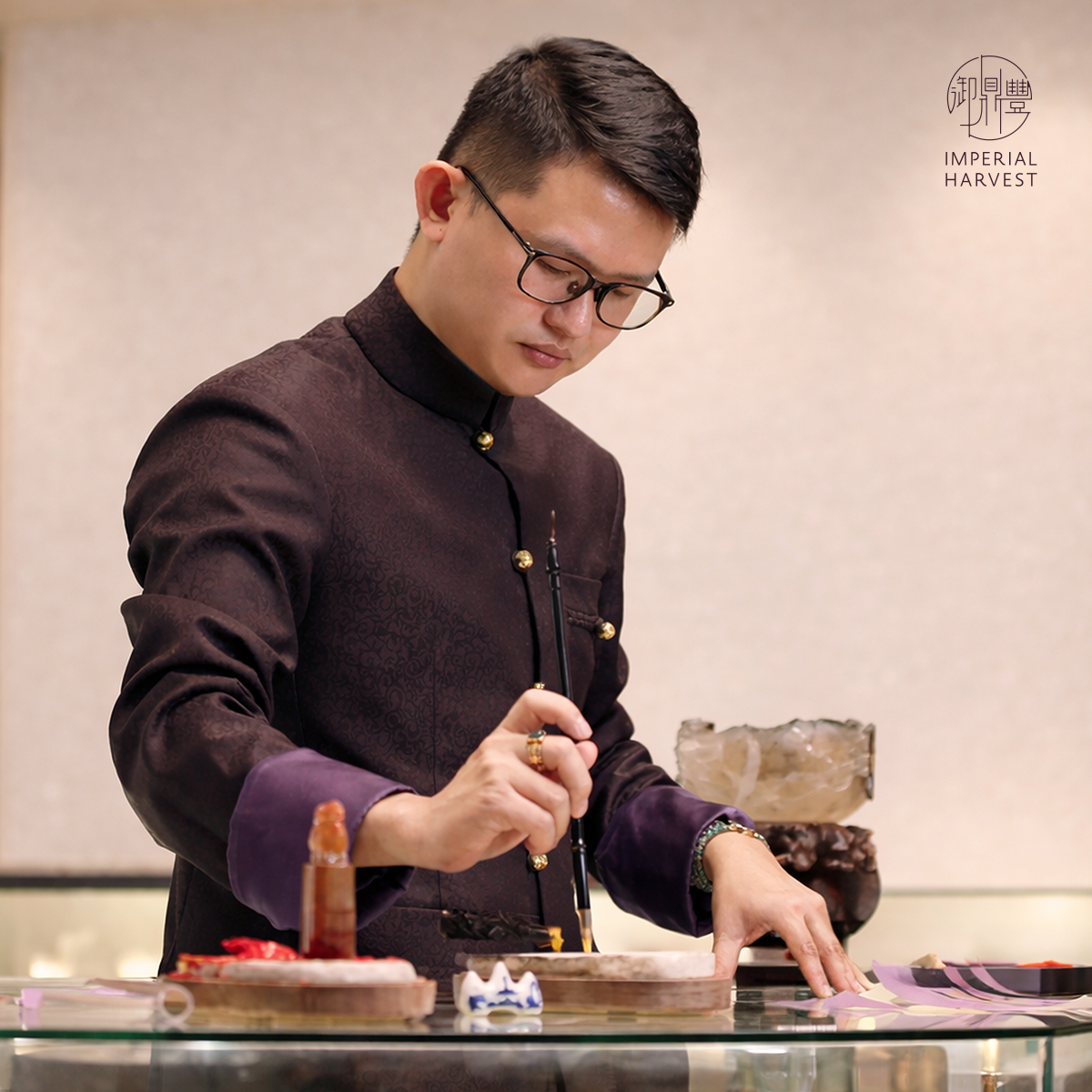
A first-class practitioner operates on the constraint itself. An Imperial Harvest treasure — a specific piece of jadeite, agarwood, sandalwood, or crystal, designed by Grand Master David Goh to harness specific elemental forces, crafted from uncompromised natural materials, and individually consecrated through a rite conducted under lineage authority — is prescribed to change the elemental environment in which the chart operates. The chart itself does not change. The terrain the chart is navigating changes. And that changes what the chart produces.
As Grand Master David Goh has described the mechanism: “I am not in the reading business. I am in the prescribing and engineering business. Bazi reveals the elemental forces. The treasure changes the elemental environment. The outcome changes. That is what the Imperial Destiny Engineering Protocol actually means.”
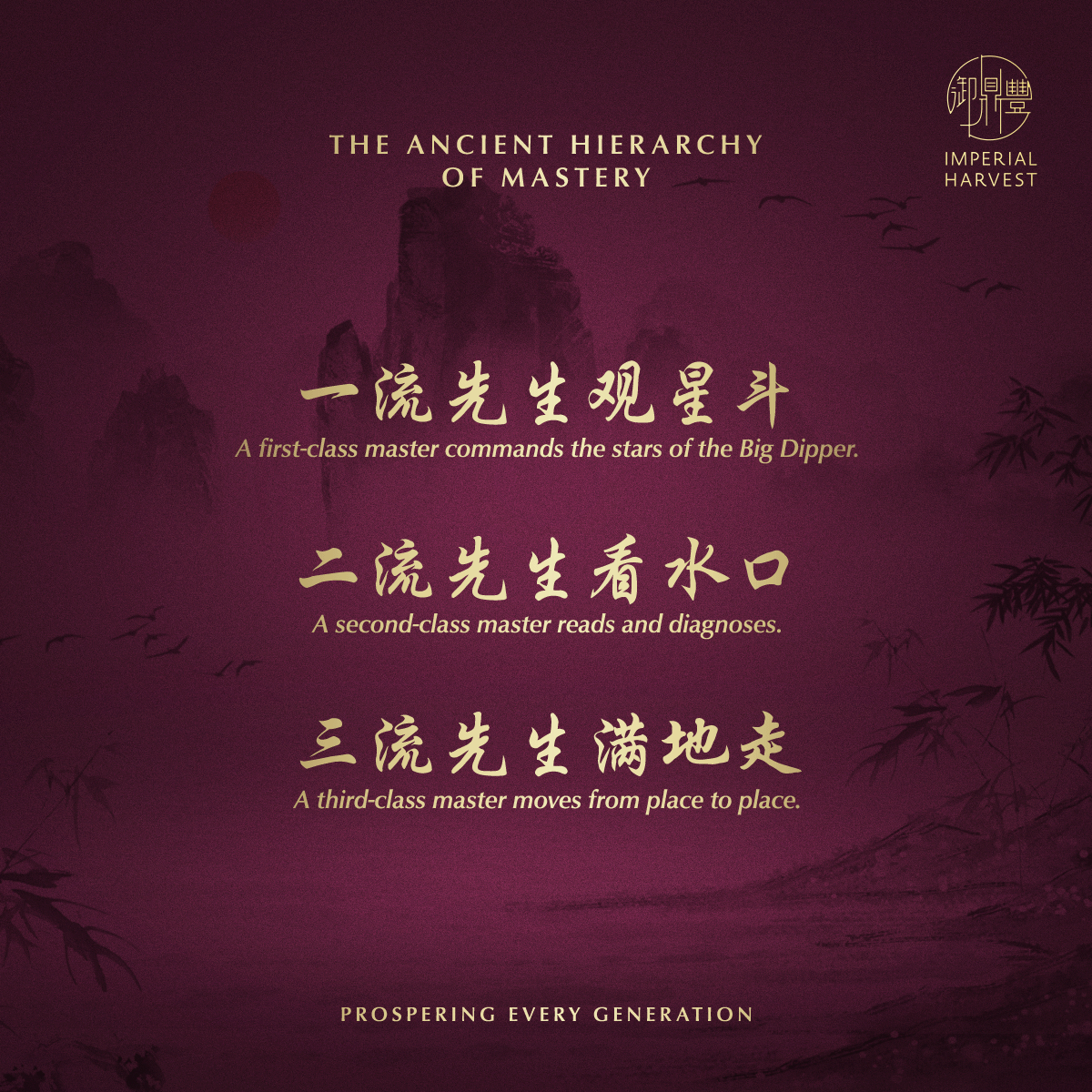
The medical analogy is instructive, and the Imperial tradition itself draws on it. A general practitioner can diagnose a condition accurately. A specialist can diagnose it with greater precision. Neither possesses the surgical capability of a consultant surgeon. All three can identify what is wrong. Only one can intervene in the condition directly. The gap between diagnosis and intervention is not a gap in knowledge or effort. It is a gap in transmitted, demonstrated, practised capability at a level that the diagnostic tiers genuinely do not possess. In Chinese metaphysics, the third-class master is the general practitioner. The second-class master is the specialist. The first-class master is the surgeon. Only one of them can execute the Imperial Destiny Engineering Protocol.
Why the imperial court kept it
A practice with this level of reach — the ability to restructure the elemental environment governing a person’s career, wealth, and destiny — has obvious institutional implications. In Imperial China, those implications were fully understood. The court maintained the Imperial Destiny Engineering Protocol as a reserved capability, practised exclusively by court-appointed masters whose lineage carried the authority to perform it, because the stakes of intervening at the celestial level required that authority to be formally established and demonstrably transmitted. The 御用 designation was not ceremonial. It was the court’s formal record that a practitioner’s lineage had been verified, his transmission confirmed, and his authority to act in the name of the celestial administration established. A practitioner without lineage could not execute the Imperial Destiny Engineering Protocol business. A practitioner with lineage could, and the court ensured that those practitioners operated inside the institutional structure that had validated them.

This was not secrecy for its own sake. It was the classical recognition that a capability of this order — one that alters the elemental terrain governing outcomes — cannot be distributed into general civilian practice without consequence. The second-class tradition, by contrast, is safely teachable. A student can learn to read a Bazi chart, study Flying Star analysis, and recommend commercial cures, and the worst outcome of a mistake at that tier is a poorly placed water feature. The worst outcome of a mistake at the first-class tier is a destiny structurally altered in the wrong direction. The court’s exclusivity was, in part, a protection.
When Imperial Feng Shui transitioned from court practice to civilian application across the Ming and Qing dynasties, what survived the transition was what could be taught in a classroom — the diagnostic tier. The empowerment protocols that required lineage authority did not survive, because they could not be taught. They had to be received, master to disciple, across an unbroken transmission that most civilian lineages could not maintain. The Imperial Destiny Engineering Protocol remained a named capability in the classical texts, but the practitioners who could actually execute it became rare. Two hundred years later, they became so rare that most Singaporeans have never knowingly encountered one.
Book A Free Consultation
Why it cannot be studied
A student of classical Chinese metaphysics can read about the Imperial Destiny Engineering Protocol in texts that survive from the Tang and Song dynasties. A student can study the classical descriptions of the Northern Dipper’s seven governors, learn the elemental theory underlying the Protocol, and memorise the classical invocations that accompany the rite. None of this makes a student able to perform it. The Protocol is not a body of knowledge to be acquired. It is an authority to be transmitted — and that transmission happens inside a specific relational structure that no textual study can substitute for.
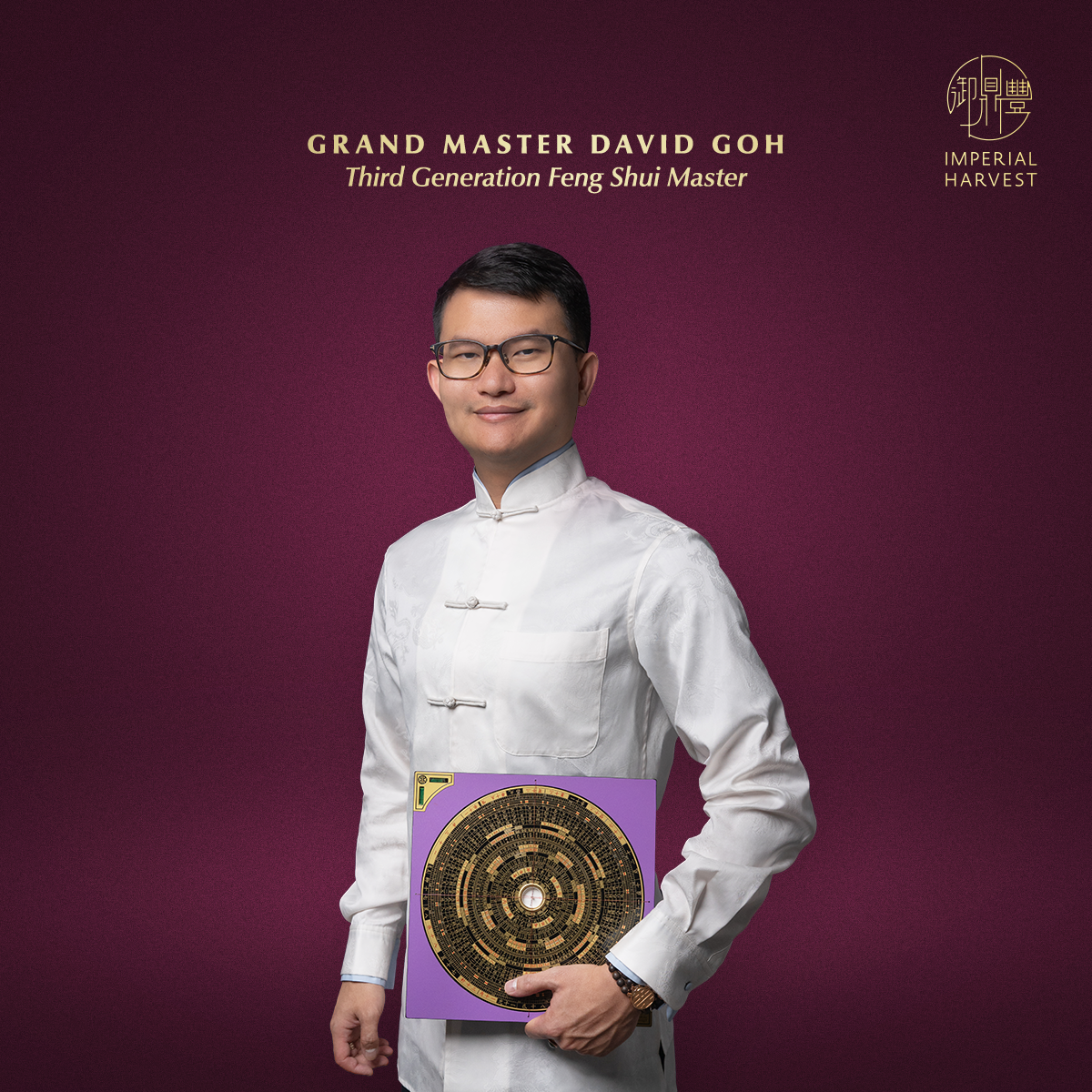
In Imperial Taoist tradition, a lineage is not a school of thought. It is a direct, unbroken chain of empowerment passed from master to disciple, originating from the celestial authorities themselves, maintained through generations of rigorous practice, and carrying with it the formal right to act in the name of those celestial authorities. When a master with genuine lineage performs a consecration, he is not conducting a symbolic ceremony. He is acting as an authorised agent of the celestial administration, presenting credentials earned through transmission, and directing specific celestial forces into the elemental environment of a specific client. Without the lineage, the ceremony is theatre. With it, the ceremony is governance. The lineage is not a credential. It is the operating authority. And it is the single thing about the Imperial Destiny Engineering Protocol that no amount of study can replicate.
Knowledge can be studied. Authority must be received. The lineage is either present, or it is not.
— Grand Master David Goh
What the distinction means for the client
For a client encountering this framework for the first time, the practical implication is simple. The market for feng shui consultation in Singapore is substantial and, at the second-class tier, genuinely skilled. A client who engages a second-class practitioner can expect an accurate chart reading, a competent space audit, and useful advice on how to navigate the conditions the chart reveals. This is not small. A client who wants diagnosis and guidance — and who accepts that the ceiling the chart identifies will remain where the chart identifies it — is well served at this tier.
A client who wants the ceiling itself to move is in a different conversation. That conversation has fewer participants. It takes place at the first-class tier, with a practitioner whose lineage carries the authority to execute the Imperial Destiny Engineering Protocol. It produces a different kind of evidence over time — not a single favourable decision or a well-chosen water feature, but a compounding trajectory that continues to expand across the years that follow the engagement. Clients at the second-class tier report good readings. Clients at the first-class tier report careers, businesses, and wealth that did not plateau where the original chart indicated they would otherwise.

That distinction — good sessions versus compounding trajectories — is the practical signature of the Imperial Destiny Engineering Protocol. It is also the evidence most difficult for a civilian practice to fake, because it cannot be manufactured in a single engagement. It can only accumulate over years of stewardship by a master who possesses the lineage the Protocol requires. Imperial Harvest is the practice, in Singapore, whose documented record demonstrates that accumulation.
Part One · The Imperial Court Tradition Singapore Kept
Part Two · What Imperial Destiny Engineering Protocol (御用移星換斗法) Actually Means
Part Three · Bazi, Read as Classical Chinese
Part Four · The Four Quadrants of Destiny
Part Five · The Ceremonial Anchor
Part Six · The Stewardship Cycle