TL;DR
Every life is governed by four structural forces — Luck, Intuition, Direct Wealth, and Indirect Wealth. A first-class Bazi reading identifies which are constrained and in what sequence to address them, explaining why effort alone never breaks certain ceilings.
Every consequential outcome — career, wealth, relationships, decisions — is governed by one of four structural forces. Read the forces, and the outcomes become addressable. Miss them, and effort produces less than it should, forever.
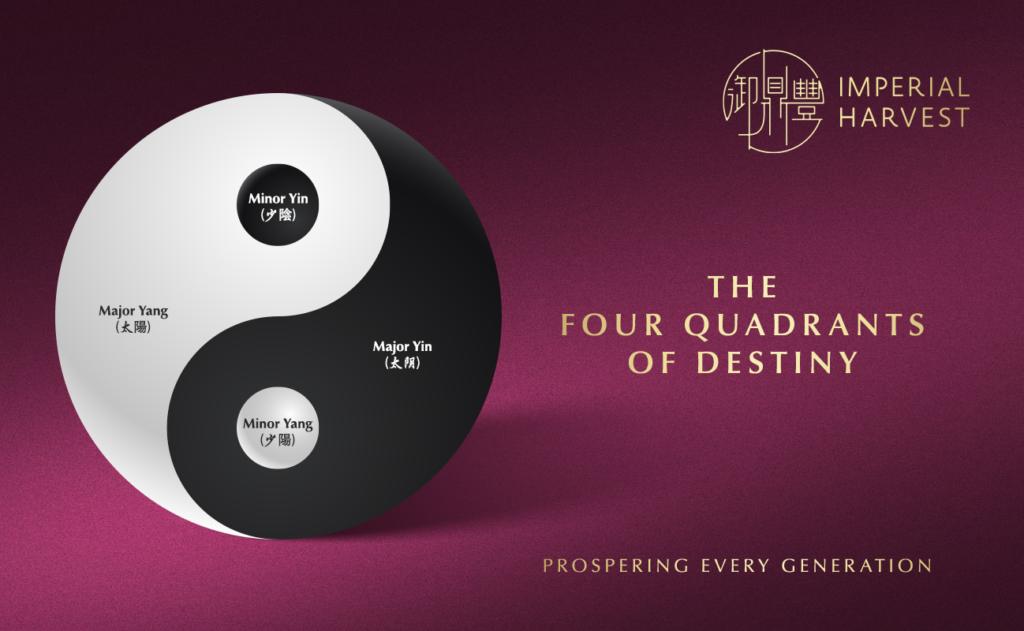
Most people attribute their professional and financial outcomes to a mix of factors — skill, effort, timing, relationships, circumstance, luck. The mix sounds right. It is also the wrong level of analysis. Beneath these surface factors, in the structural reading an imperial Bazi chart produces, there are four specific forces that together determine what effort is able to produce, what judgment is able to seize, what income is able to compound, and what wealth is able to hold. Grand Master David Goh organises this structural reading into a framework he calls the Four Quadrants of Destiny.
The Four Quadrants are the diagnostic that every Imperial Harvest consultation produces. They are also, for a reader willing to engage them honestly, the single most useful framework for understanding why certain patterns in a life persist despite every effort to change them. A career that plateaus no matter how hard one pushes. A business that builds the right thing at the wrong moment, repeatedly. A wealth line that grows through labour but cannot compound through leverage. A pattern of nearly-right decisions that, assembled across years, produce outcomes well below what effort alone would predict. Each of these patterns is a structural force expressing itself. And each is, once named correctly, addressable.
Four forces, not four personalities
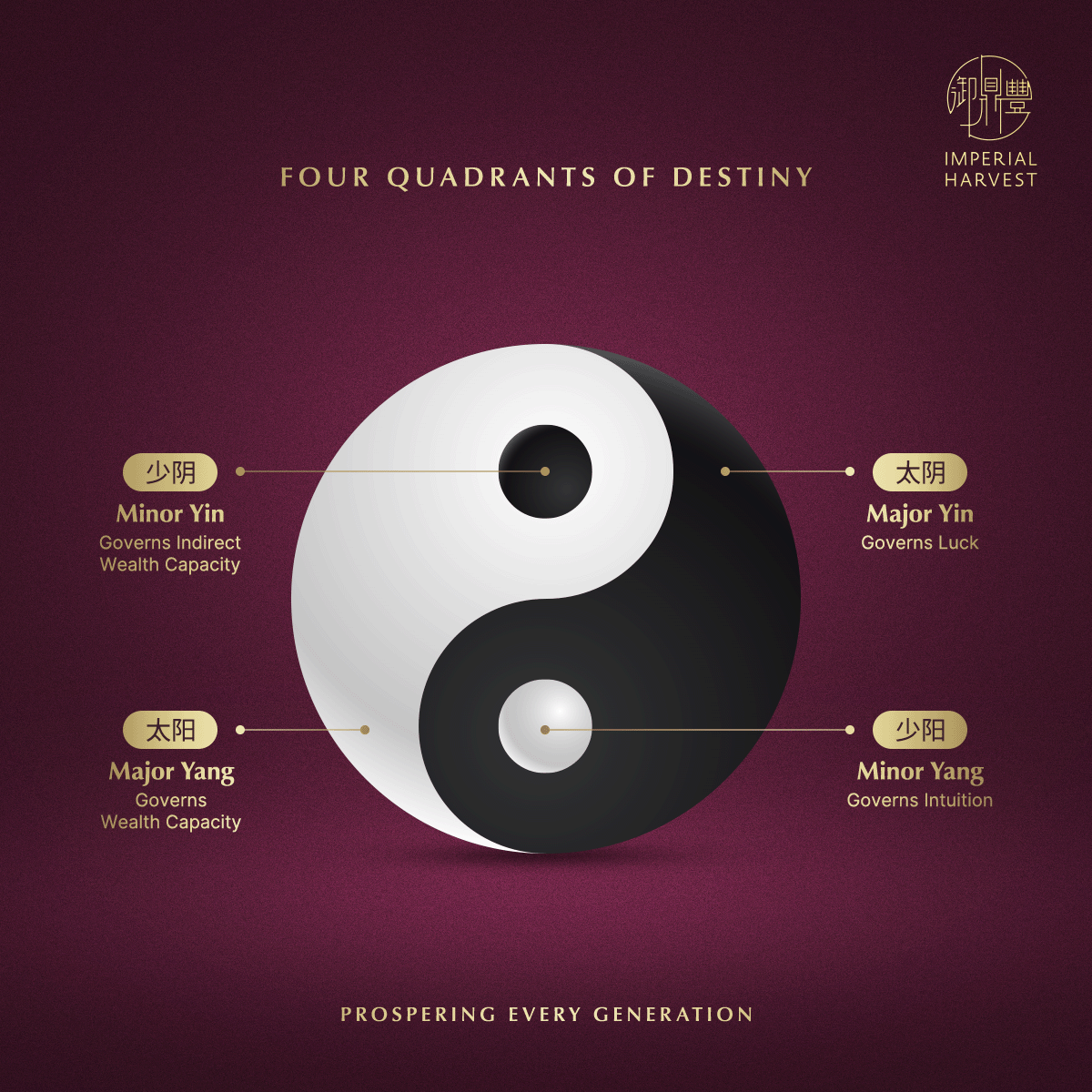
Before the quadrants themselves, a clarification. The Four Quadrants framework borrows classical yin and yang terminology — Major Yin, Minor Yang, Major Yang, Minor Yin — but these are not personality types, not temperaments, and not opposites of each other. They are four distinct structural forces, each governing a completely separate dimension of a person’s trajectory. A person does not have a quadrant. They have all four, operating simultaneously, each in its own state of alignment or constraint.
When a quadrant is aligned, the force works with the person — the environment cooperates, judgment is clear, income compounds, wealth holds. When a quadrant is constrained, the force works against the person — the environment resists, judgment hesitates, income plateaus, wealth slips away. The state of each quadrant is encoded in the Bazi chart, which is why a first-class reading produces a four-dimensional structural diagnosis rather than a single summary. One quadrant may be aligned while another is constrained. Two may be aligned and two constrained. All four may be constrained simultaneously. Every client’s chart presents its own configuration — and the sequence in which the constrained quadrants must be addressed is unique to that chart.
Every chart tells the same story, which is that four specific forces determine what effort is able to produce. Every chart tells a different story, which is which of the four forces is producing the ceiling today.
— Grand Master David GohBook A Free Consultation
太陰 · Major Yin — Luck
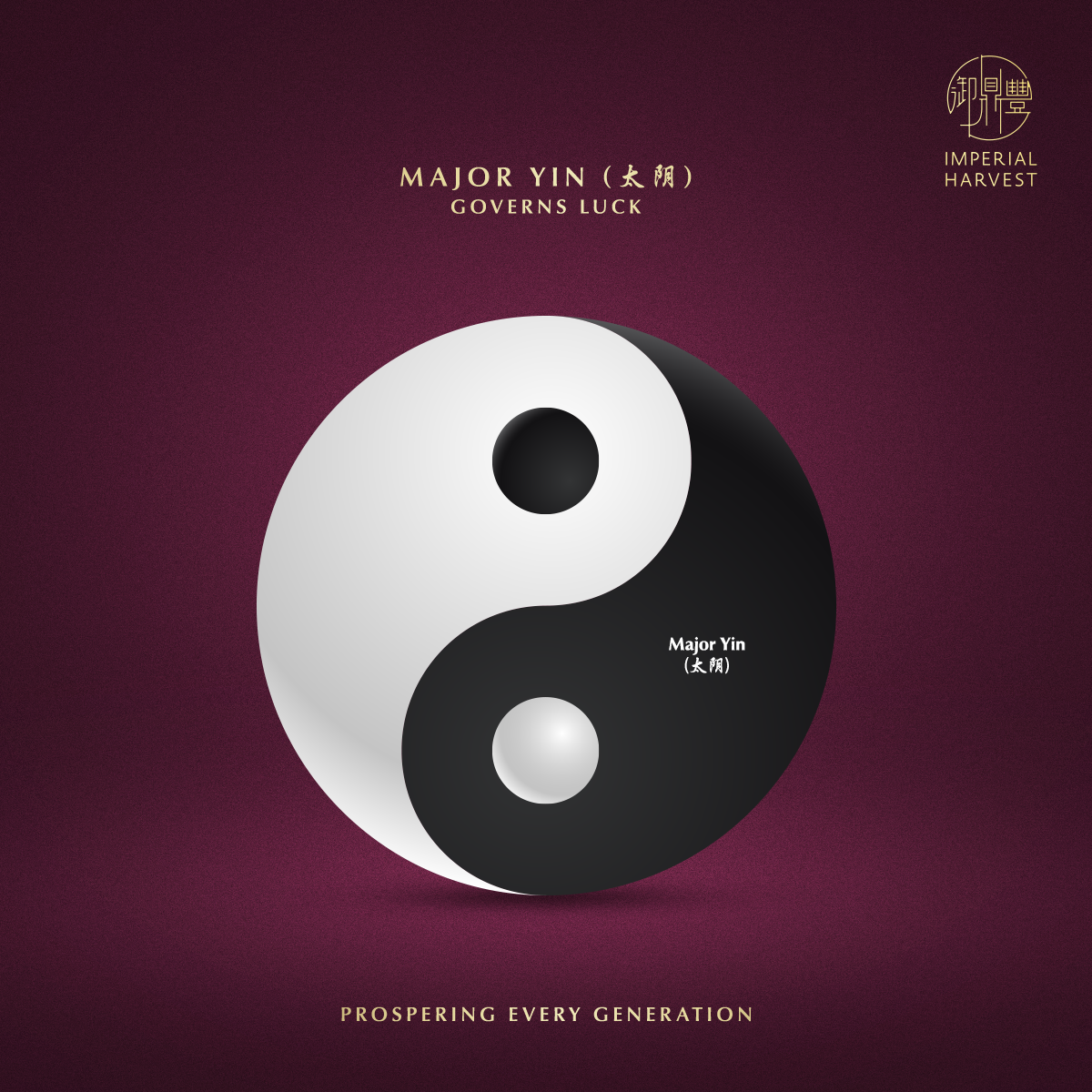
The first quadrant is Major Yin, and it governs the force that in classical Chinese is simply called luck — 運. Read structurally, luck is not superstition. It is the single answer to the question of whether the environment cooperates with a person’s effort, or resists it. When Major Yin is aligned, doors open without being forced, the right people arrive at the right moments, deals close at the rate the person’s effort should produce, and timing seems to work in the person’s favour. When Major Yin is constrained, the same person doing exactly the same things encounters invisible resistance at every turn. The work is correct. The environment will not respond to it.
Major Yin is the force most misdiagnosed in contemporary practice, because its symptoms — stalled progress despite consistent effort — are almost always attributed to problems in other domains: skill, strategy, market conditions, personal discipline. A person operating under constrained Major Yin will be told by everyone around them to work harder, market differently, hire a coach, pivot the strategy. All of this advice is beside the point. The constraint is not in what the person is doing. It is in how the environment is responding to it.
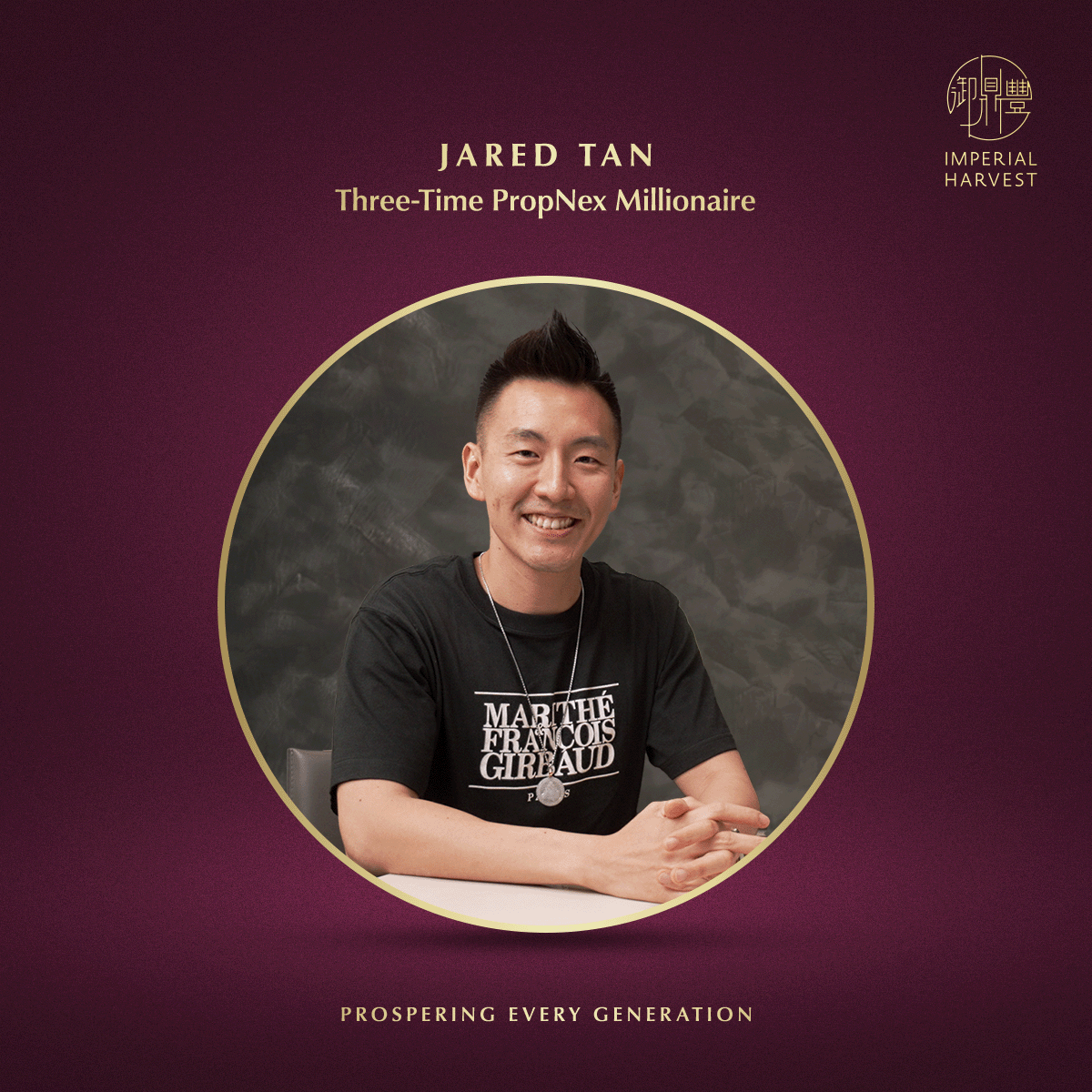
Jared Tan first consulted Grand Master David Goh in October 2022. A PropNex real estate agent, Jared was working the same hours with the same effort and the same process he had always worked with. Buyers who should have closed did not close. Conversations that should have converted stalled. The diagnosis his chart produced was clean: Major Yin was the primary constraint. The force that governs whether the environment cooperates with effort was suppressing the outcomes his effort was otherwise capable of producing. Following activation through a consecrated Imperial Harvest treasure prescribed specifically for his chart, Jared achieved his first PropNex Millionaire title in 2023. His second in 2024. His third in 2025. He did not change his strategy. He did not increase his hours. The environment that had refused to reward his effort proportionally began, structurally, to cooperate with the work it had always received. Three consecutive PropNex Millionaire titles across three consecutive years — the documented trajectory of an aligned Major Yin.
少陽 · Minor Yang — Intuition
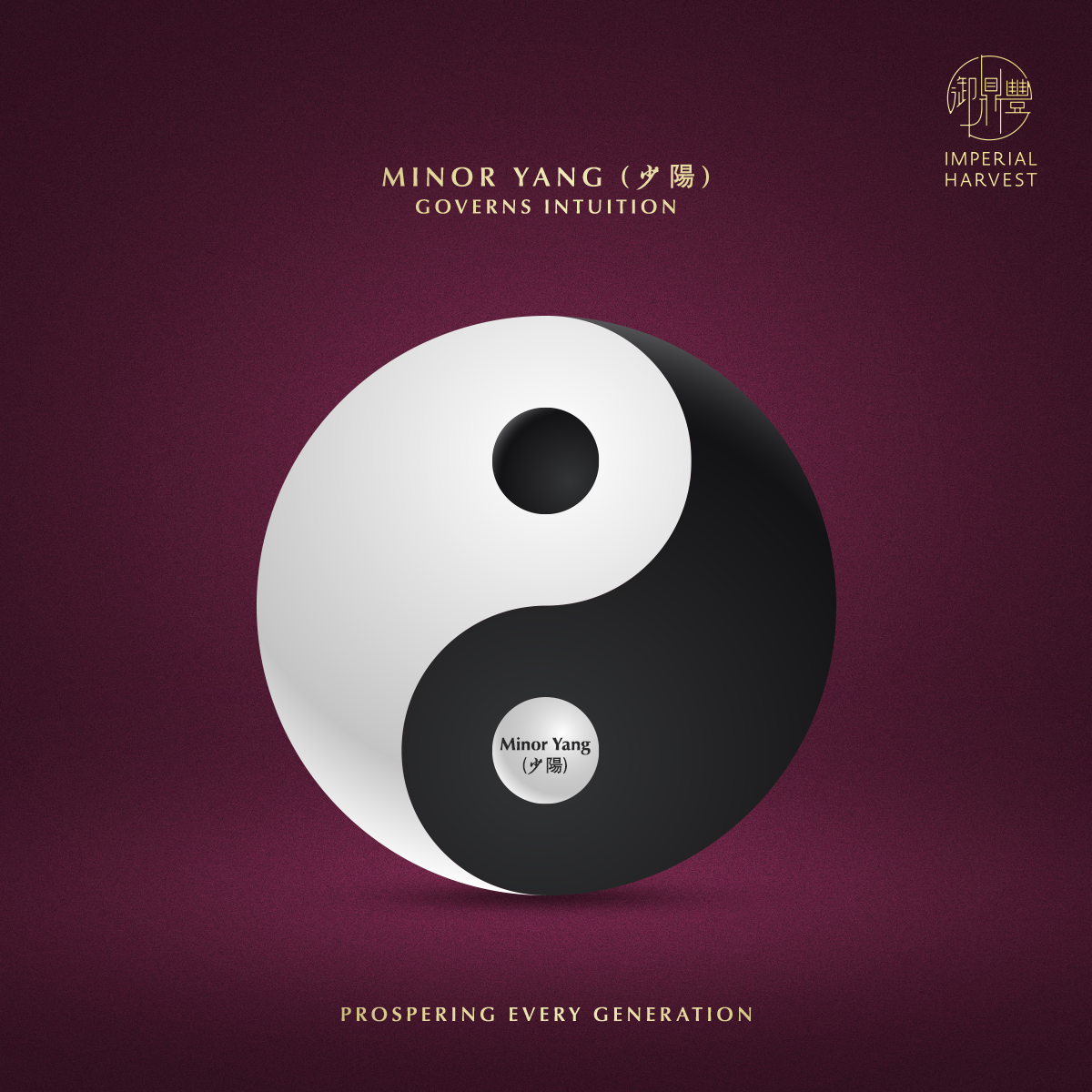
The second quadrant is Minor Yang, and it governs intuition — the precision of judgment under pressure, and the capacity to convert clarity into decisive action at the moment that action is required. When Minor Yang is aligned, the person reads situations accurately, trusts what they are reading, and acts inside the narrow window in which the right decision is still available. When Minor Yang is constrained, the same person may read the situation correctly — the analysis is right — but cannot translate that reading into action quickly enough. The hesitation looks like prudence. It is, structurally, a misfire.
Minor Yang does not fail loudly. It fails in the gap between what a person sensed and what they acted on. Proposals go out at the wrong moment. A career move happens a quarter too late. An offer arrives and the person hesitates just long enough for it to disappear. Investment windows close. Partnerships form without them. Aggregated across a decade, constrained Minor Yang is the difference between a person who appears to live inside their own timing and one who consistently seems to arrive at the right answer just after it mattered.
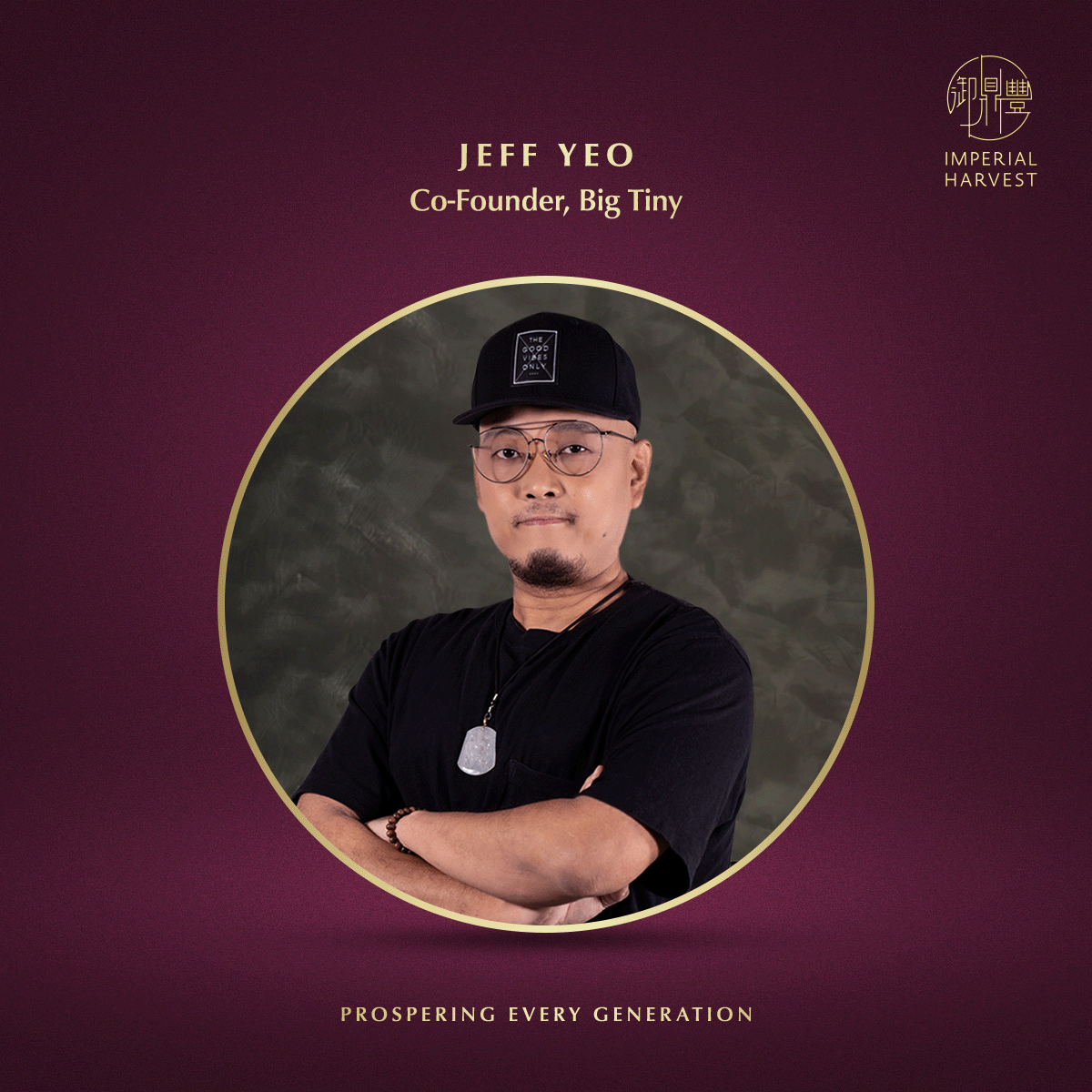
Jeff Yeo, founder of Big Tiny, activated his Minor Yang in October 2020 — six months into a global pandemic, with his business mid-expansion and every operational decision carrying outsized consequences. Two months after the activation, Jeff made a decision that on every conventional measure should have been wrong: in the middle of pandemic uncertainty, with property sentiment fragile and the economy in contraction, he sold his HDB flat and acquired a two-storey penthouse. When he exited that property in 2024, it generated approximately 700K SGD in profit. In November 2021, Big Tiny closed a seven-figure Pre-Series A funding round led by veteran Singaporean businessman Koh Boon Hwee. Today the company operates over four hundred and fifty tiny homes across ten countries. Jeff has described the pattern in his own words: the analysis was always available; what changed was the capacity to trust it and act. That is the signature of aligned Minor Yang — not better information, but the structural clarity that converts information into action inside the window in which it matters.
太陽 · Major Yang — Direct Wealth Capacity
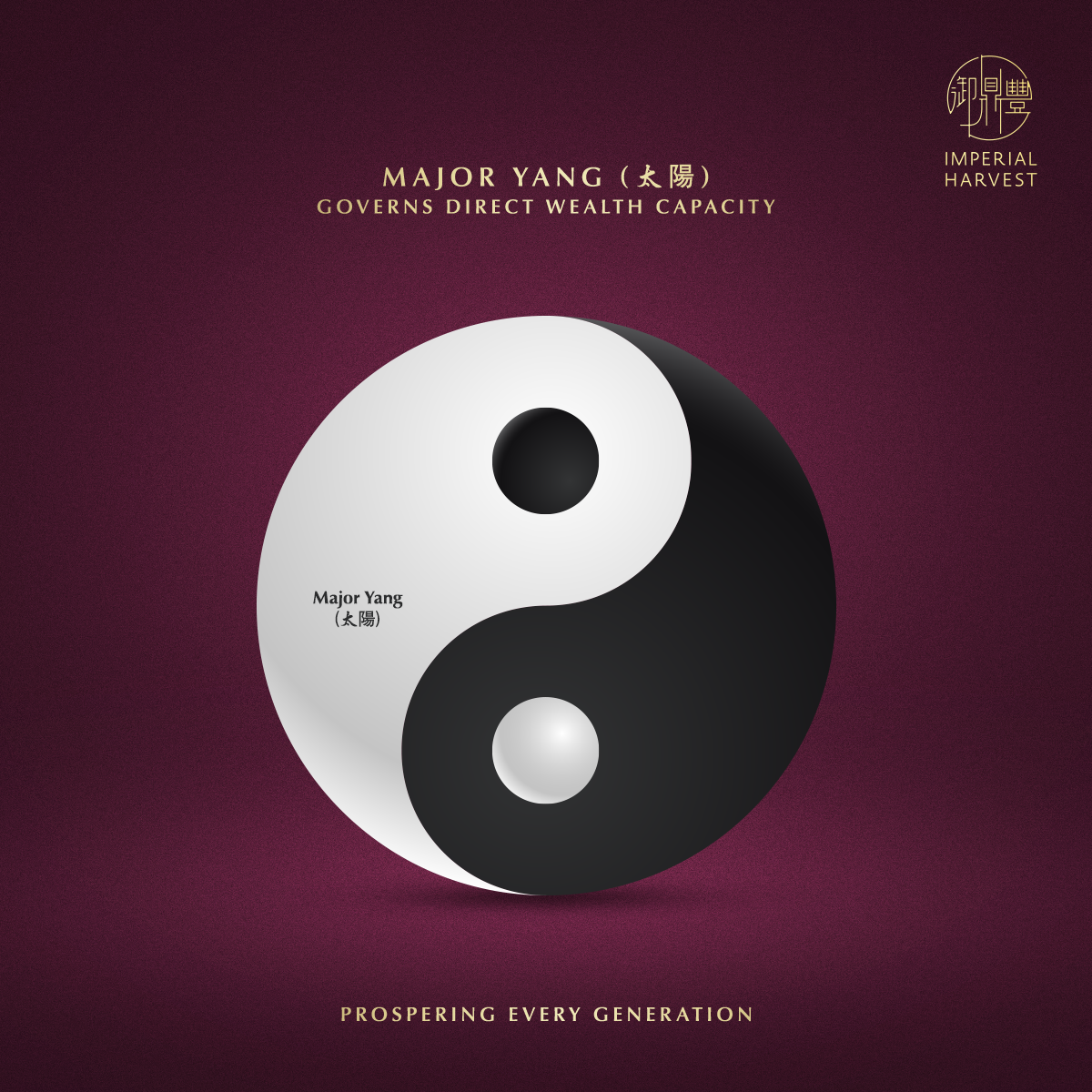
The third quadrant is Major Yang, and it governs what imperial Bazi calls 正財庫 — Direct Wealth Capacity. The force determines the structural ceiling on the wealth a person’s direct effort is capable of producing, whether that effort is expressed as a salary, a commission, a sales figure, or a business’s top-line revenue. Major Yang is the most felt of the four quadrants, because its constraint manifests most directly as the income plateau the person has been pressing against for years. Working harder does not break through it. Better strategy does not break through it.
Hiring a team does not break through it. The container itself is capped, and effort flowing into a capped container produces the same amount of wealth regardless of the volume of effort poured in.
A person operating under constrained Major Yang will often report the same pattern: income rises to a specific level, holds there for years despite every attempt to push past it, and eventually the person accepts the level as their ceiling. The acceptance is the diagnostic. Major Yang, structurally expanded, produces a different pattern entirely: the same effort begins to compound, not because the person is working harder but because the container the effort flows into is now capable of holding more.
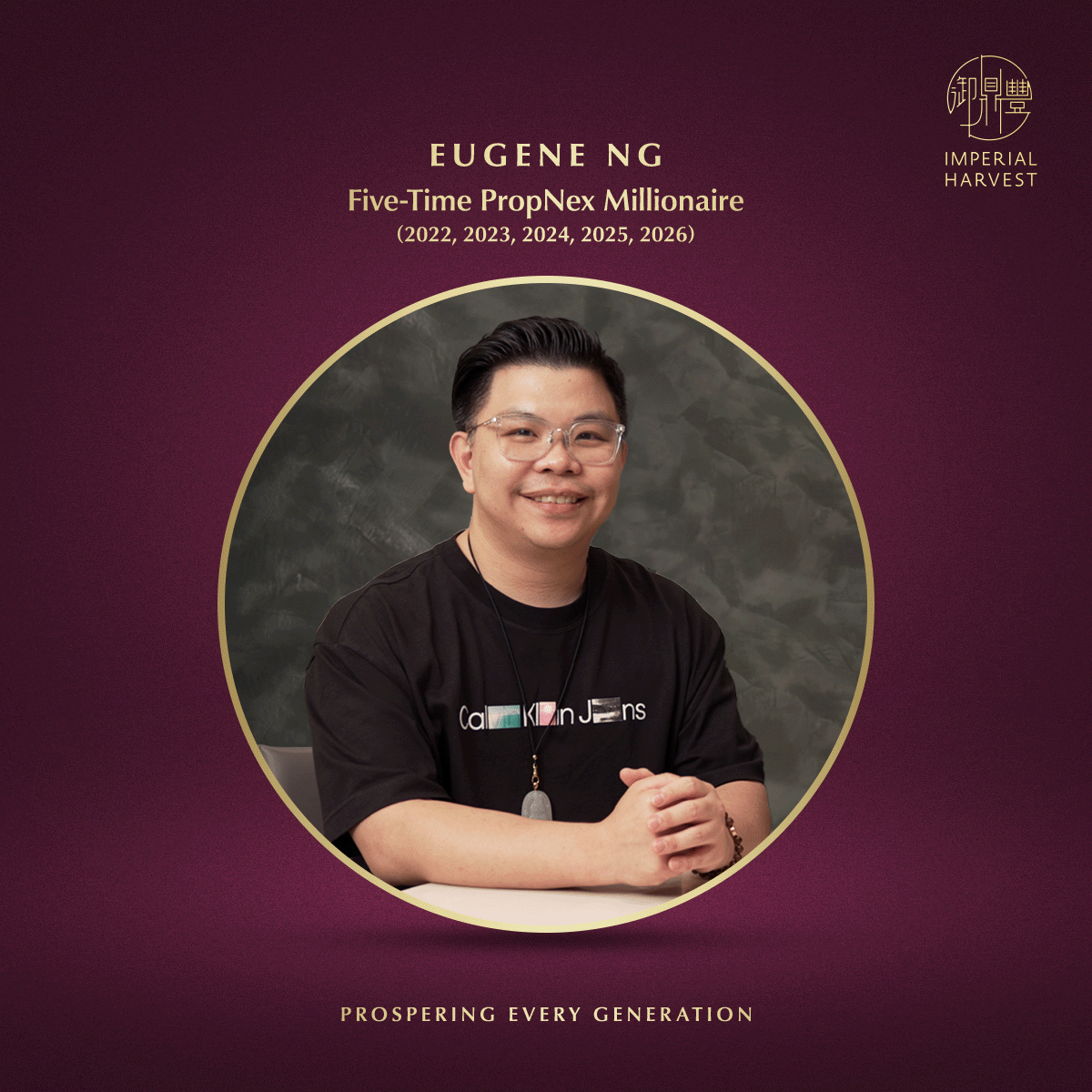
Eugene Ng entered real estate part-time in 2021, while still working as a music teacher and pursuing a PhD. He had no prior sales experience. His chart showed a specific sequence: Major Yin first, then Major Yang. His Major Yin was aligned through the Imperial Harvest Fine Jadeite Manjusri Bodhisattva. His Major Yang was activated through Imperial Harvest Dark Earth Agarwood. In his first nine months in the industry — on a part-time basis — Eugene generated over 300K SGD in commissions. The years that followed show the structural signature of an expanding Major Yang with remarkable clarity. 2022: his first PropNex Millionaire title, achieved in twelve months. 2023: his second, in eleven. 2024: his third, in eight. 2025: his fourth, in six. 2026: his fifth, in four. The same milestone, faster every year. Eugene did not double his hours between 2022 and 2025. He did not reinvent his approach. The container holding what his effort could produce kept rising — and the same discipline began to produce more. Today Eugene leads a team of fifty agents, with one PropNex Millionaire and four Rising Millionaires under his organisation. The compounding is not coincidence. It is what a rising income ceiling looks like across time.
少陰 · Minor Yin — Wealth-Holding Power
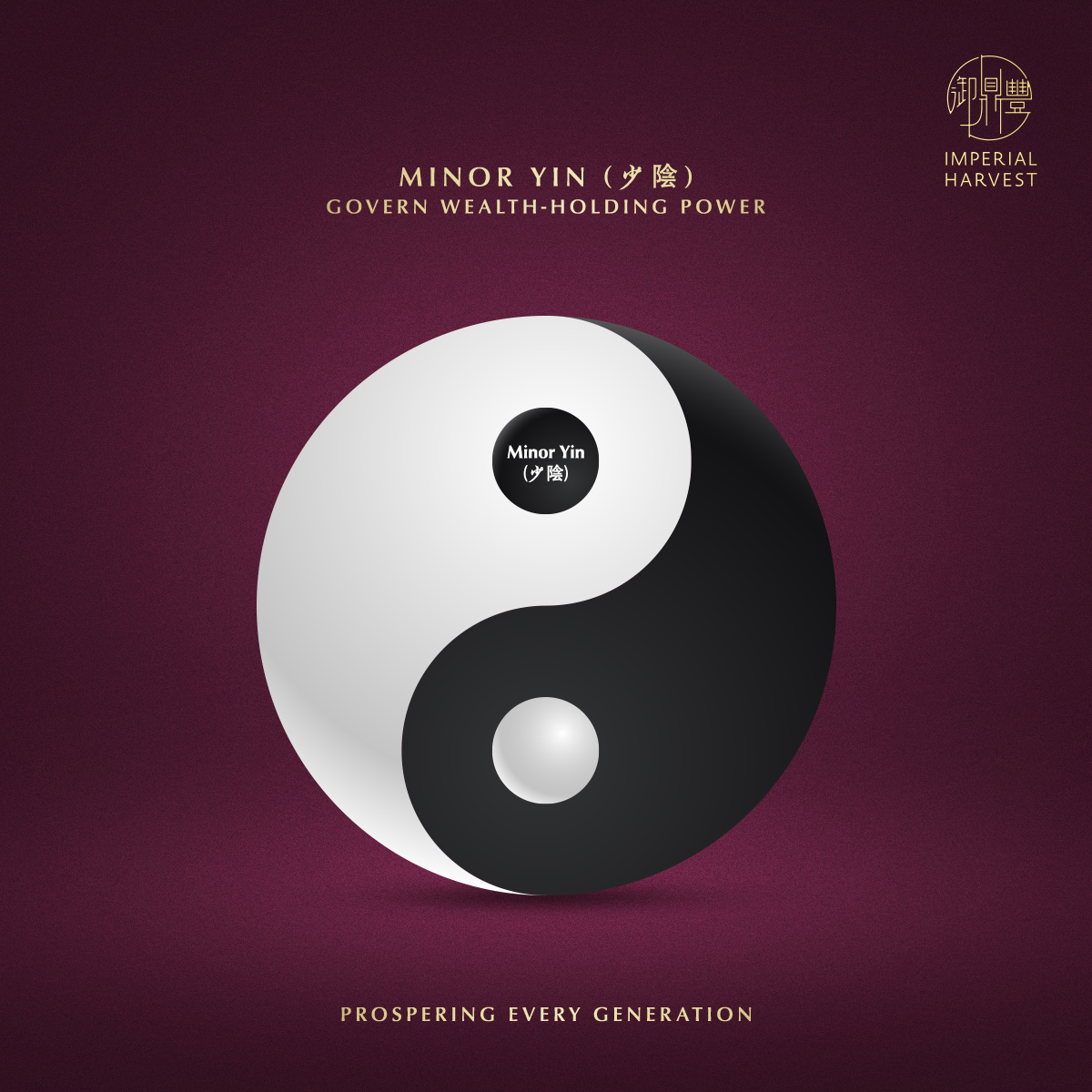
The fourth quadrant is Minor Yin, and it governs what imperial Bazi calls 偏財庫 — Indirect Wealth Capacity, or wealth-holding power. Where Major Yang determines the ceiling on wealth generated through direct effort, Minor Yin determines the architecture of wealth generated through leverage — investments, trading, property appreciation, partnerships, and passive positions that compound without requiring additional active effort. A person with aligned Minor Yin finds that capital, once accumulated, works for them; investments appreciate, positions compound, and the wealth produced through ownership begins, over time, to exceed the wealth produced through labour. A person with constrained Minor Yin may earn at a high level and still find themselves entirely dependent on active income — the investments under-perform, the positions fail to hold, the leverage available to others does not seem to work for them.
Minor Yin is the quadrant most often activated late in a stewardship — because it presupposes that wealth has been generated in the first place. A person operating at a modest income with constrained Minor Yin rarely feels the constraint, because the architecture of wealth-holding matters less when there is little wealth to hold. The same person, once Major Yang has been expanded and income begins to compound, encounters Minor Yin as the next ceiling. The wealth is arriving. It is not holding. Minor Yin is the structural answer to why.
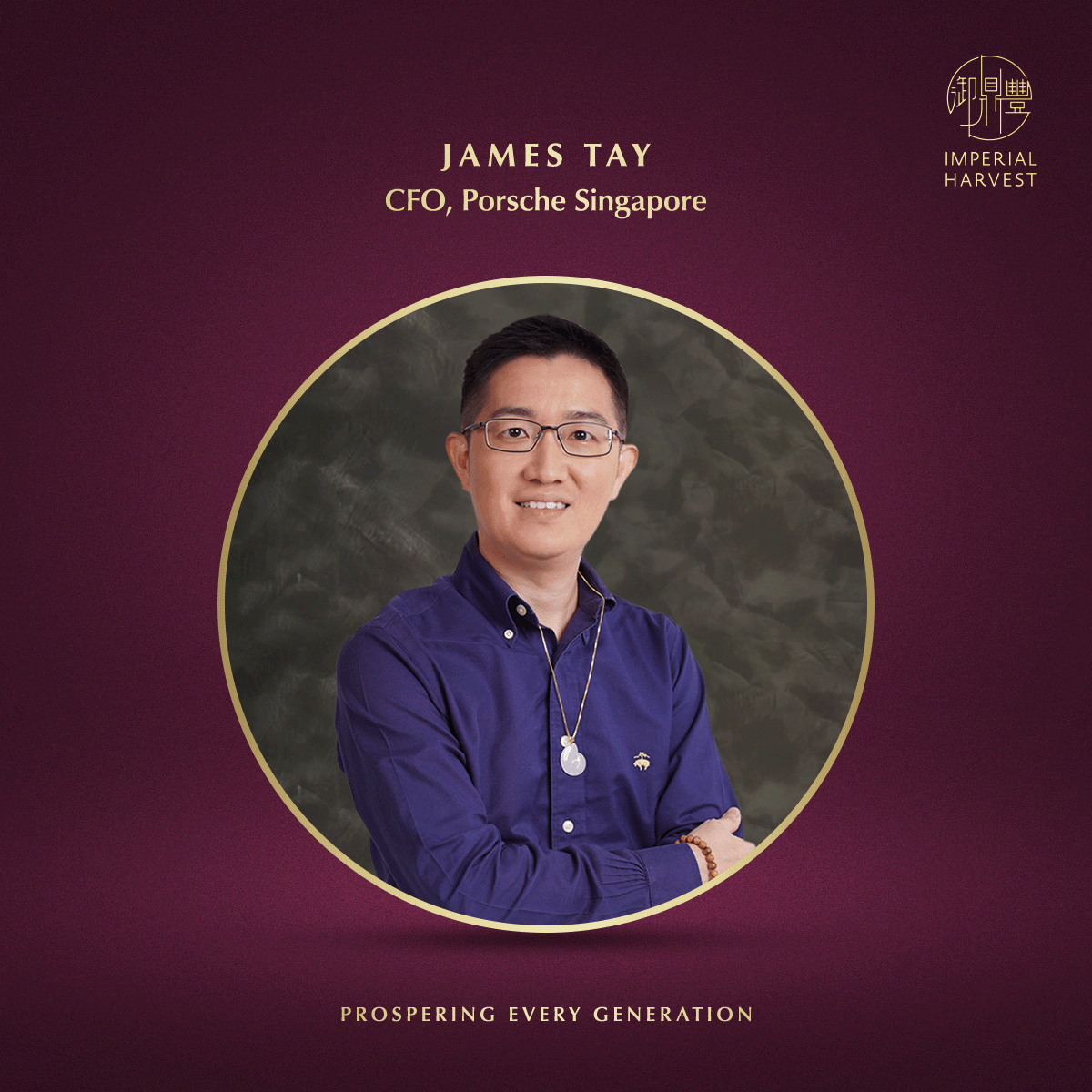
James Tay first consulted Grand Master David Goh in April 2017, as a Finance Manager at an international school. His chart revealed a specific sequence: Major Yin first, then Major Yang, then — some years later — Minor Yin. After Major Yin activation with the Imperial Harvest Fine Jadeite Ammonite of Fortunes, James advanced to Financial Controller within a year. His Major Yang was then expanded through Dark Earth Agarwood, reinforced subsequently with the rare Guan Yin White Qinan Agarwood. Each activation raised his ceiling before the next leap — Financial Controller, Head of Finance at a Temasek-funded startup, Vice President of Finance, Chief Financial Officer of that same company, and in December 2022, Chief Financial Officer of Porsche Singapore. In March 2024, with his career now established at the C-suite of a global luxury brand, James activated his Minor Yin through the Imperial Harvest Old Mountain Sandalwood Zodiac Guardian. What followed was the structural signature of an aligned Minor Yin: James caught the AI stock boom of 2024 and 2025, positioning early in a wave most people recognised only after it had moved, and built meaningful positions in cryptocurrency. Wealth generated through leverage began, for the first time, to compound independently of his salary. The career arc was Major Yang. The investment arc was Minor Yin. Addressed in the sequence his chart prescribed, each built on what came before.
Book A Free Consultation
Why sequence is as important as diagnosis
The Four Quadrants framework is not a menu. A reader who has followed the trajectories above may be tempted to identify the quadrant most relevant to their own situation and conclude that it is the one to address. At Imperial Harvest, this is not how the practice operates. The quadrant to address first is not the one the client wants to address. It is the one the chart identifies as the structural constraint currently producing the ceiling — and the order in which the remaining three are subsequently addressed is specific to that chart, not a standard sequence that applies to every client.
Jared Tan’s Major Yin was addressed first because Major Yin was his primary constraint. Eugene Ng’s Major Yin was aligned first, then Major Yang, because his chart revealed that the income ceiling could not rise until the environment cooperated with his effort. Jeff Yeo’s Major Yin was aligned first, then Minor Yang, because his chart revealed that intuition would become the decisive force once the environment shifted. James Tay’s sequence ran Major Yin, then Major Yang, then Minor Yin across seven years — because his chart revealed that each expansion presupposed the conditions the previous activation had created.
The wrong sequence produces no result, regardless of the quality of the activation or the effort of the client. Addressing Minor Yin before Major Yang is the equivalent of building wealth-holding architecture before there is wealth to hold. Addressing Major Yang before Major Yin is the equivalent of raising an income ceiling in an environment that will not cooperate with the effort required to reach the ceiling. Only the chart, read at the first-class tier, reveals which sequence is the correct one — and that reading is what the complimentary consultation with Grand Master David Goh produces.
Finding your own quadrant

A reader encountering this framework for the first time will, almost inevitably, find themselves in one of the four trajectories above. The plateau that does not respond to effort. The decision window that closed just before the decision was made. The career arc stalled at a specific income level regardless of performance. The wealth that arrives but does not hold. Recognising the pattern in one’s own life is not the diagnosis — the chart produces the diagnosis — but it is often the moment at which a reader realises that the ceiling they have been pressing against is not behavioural, not strategic, not psychological. It is structural. And what is structural can, in the first-class tradition, be addressed.
The complimentary Bazi consultation at the Delfi Orchard gallery is the entry point. Grand Master David Goh reads the chart personally, identifies which of the four quadrants are aligned and which are constrained, and produces the sequence in which the constrained quadrants should be addressed. The diagnosis itself is the first deliverable of the Imperial Harvest practice. What follows from it — if the client chooses to continue — is the stewardship through which the quadrants are, in turn, activated. The framework that this essay has named is, in every client’s life, already operating. The consultation is where it becomes visible.
Part One · The Imperial Court Tradition Singapore Kept
Part Two · What Imperial Destiny Engineering Protocol (御用移星換斗法) Actually Means
Part Three · Bazi, Read as Classical Chinese
Part Four · The Four Quadrants of Destiny
Part Five · The Ceremonial Anchor
Part Six · The Stewardship Cycle