TL;DR
The consecration isn’t the end — it’s the beginning. Imperial Harvest’s six-month stewardship cycle continuously recalibrates each client’s activation as their chart shifts, layering new blessings over existing ones until the compounding trajectories its clients are known for become inevitable.
Why an Imperial Harvest engagement does not end at the consecration — and why the years that follow are when the compounding actually begins.
A reader who has followed this series to its final essay now holds a substantial picture of what Imperial Harvest does. They understand the classical three-tier hierarchy and where Imperial Feng Shui sits within it. They understand Imperial Destiny Engineering Protocol (御用移星換斗法) as the technical operation that defines the first-class tier. They understand how a Bazi chart is read at that tier, how the Four Quadrants of Destiny organise the structural diagnosis, and how the Ceremonial Anchor calibrates the altar each year and each season. What they may not yet understand is the element that ties all of these together into the compounding trajectories the earlier essays have documented. It is not any single consultation. It is not any single treasure. It is not any single rite. It is the cycle that follows all of these, and continues — for a full-engagement client — across years and decades.
The earlier essays have described what Imperial Harvest does at the moment of engagement. This one describes what happens afterwards. Because the moment of engagement, however precisely executed, is not where the compounding happens. The compounding happens in the stewardship. And the stewardship is where a client encountering Imperial Harvest for the first time discovers something that almost no other consultancy in Singapore, at any tier, offers — a relationship that assumes the first consultation is the beginning of the work, not the end of it.
Why the practice operates as a cycle at all
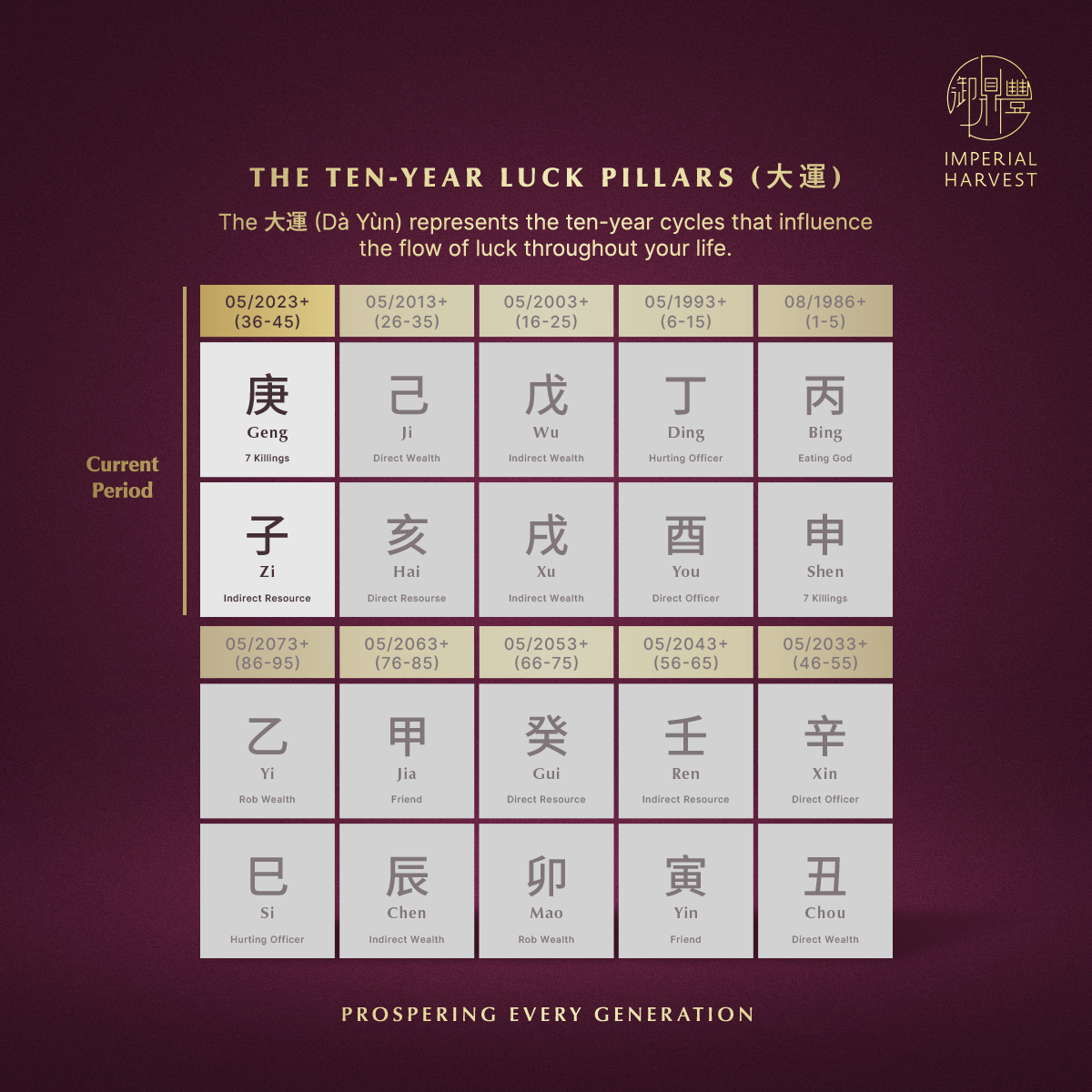
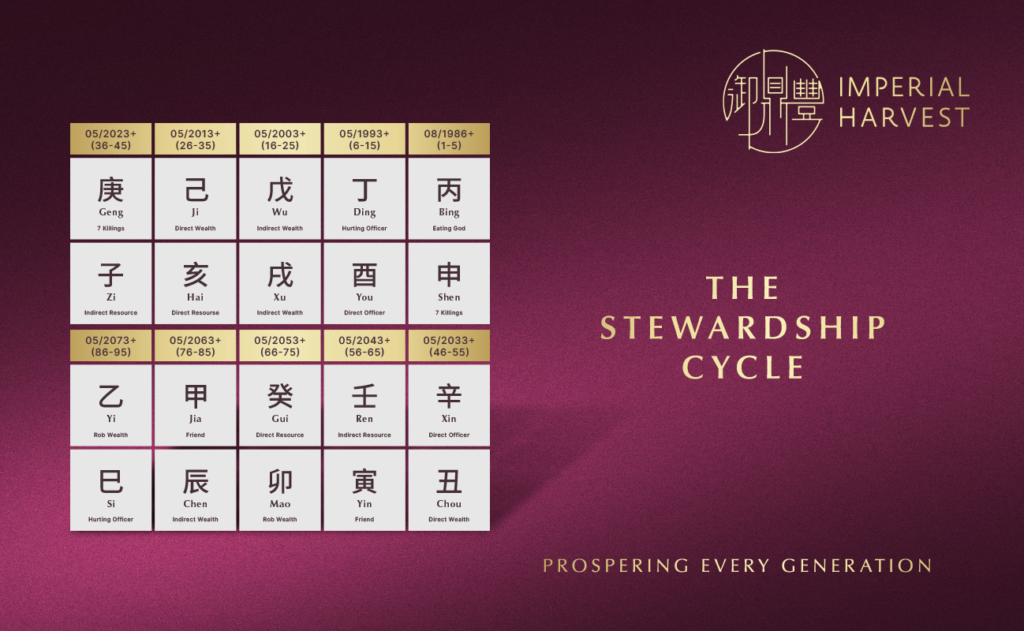
To understand the stewardship cycle, one must first understand what it is responding to. A Bazi chart, read at the first-class tier, is not a static document. The natal pillars — the eight characters derived from the client’s birth — remain fixed. What shifts continuously are the elemental conditions surrounding those pillars. The 大運 ten-year luck pillars move the chart’s environment every decade. The annual pillar shifts each lunar year. The seasonal pillars shift four times a year. The monthly pillar shifts twelve times a year. Every one of these shifts alters the elemental environment in which the client’s natal chart operates — and therefore alters which of the Four Quadrants is currently under greatest pressure, which is currently most open to activation, and which is currently holding what a previous activation established.
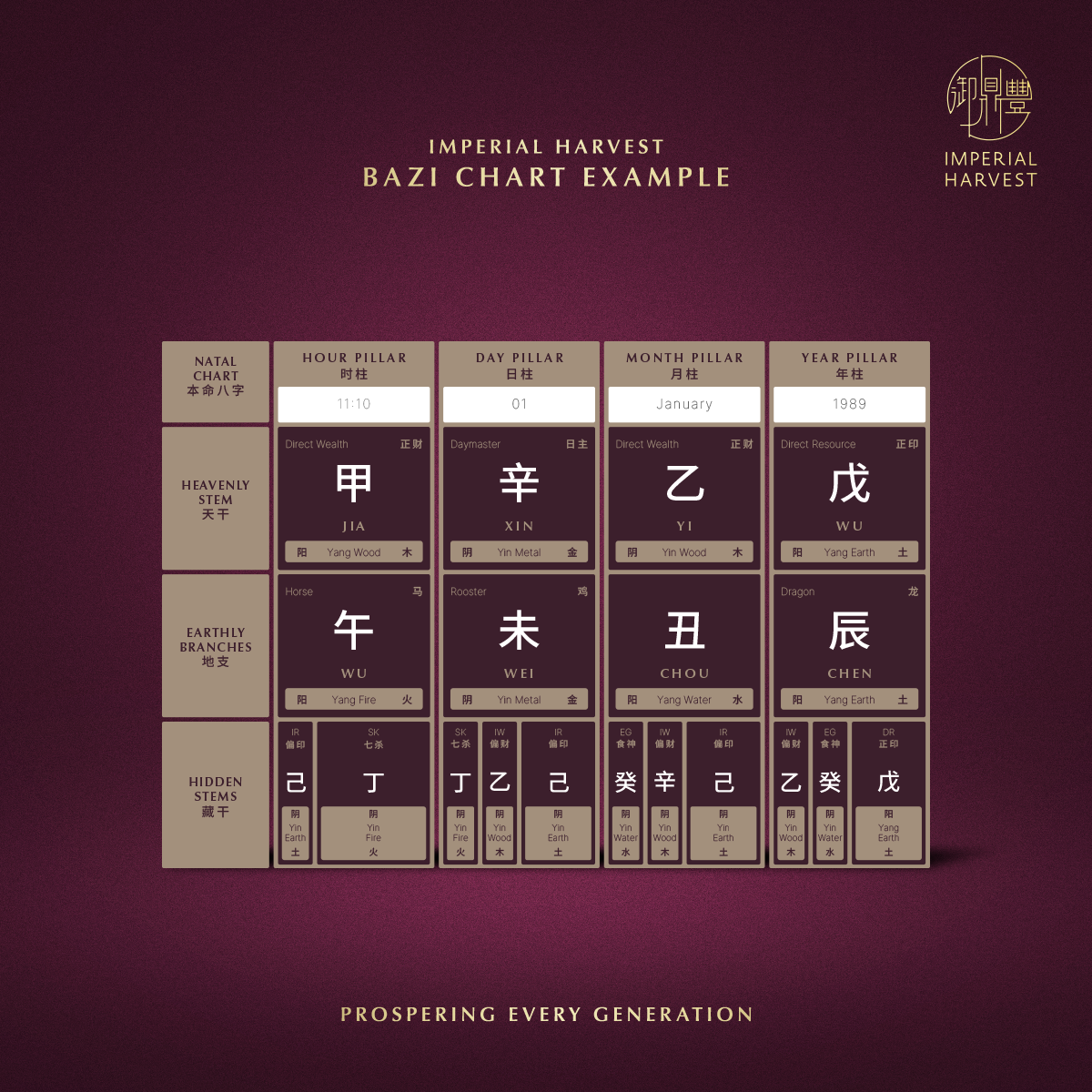
A chart read once and never revisited is a snapshot of a moving system. The reading is accurate to the day it was performed, and it becomes progressively less calibrated to the client’s actual conditions with every month that passes. A client who consults in April 2024, receives a treasure prescribed to address a constraint that was then the primary ceiling, and never returns will, in April 2026, be carrying an activation calibrated to conditions that have shifted twice — once for the annual pillar, once for the seasonal pillar the rite was conducted within. The activation does not expire. But the conditions have moved, and the specific pressures the chart is now operating under are no longer the specific pressures the original treasure was prescribed to address.
The response to this is not to read the chart more cautiously at the first consultation. It is to read it again, regularly, and to adjust the activation as the conditions shift. This is the fundamental logic of the stewardship cycle. The chart is a living document. The calibration must be continuous. And the relationship that makes that continuity possible is the one that the cycle formalises.
The six-month cycle
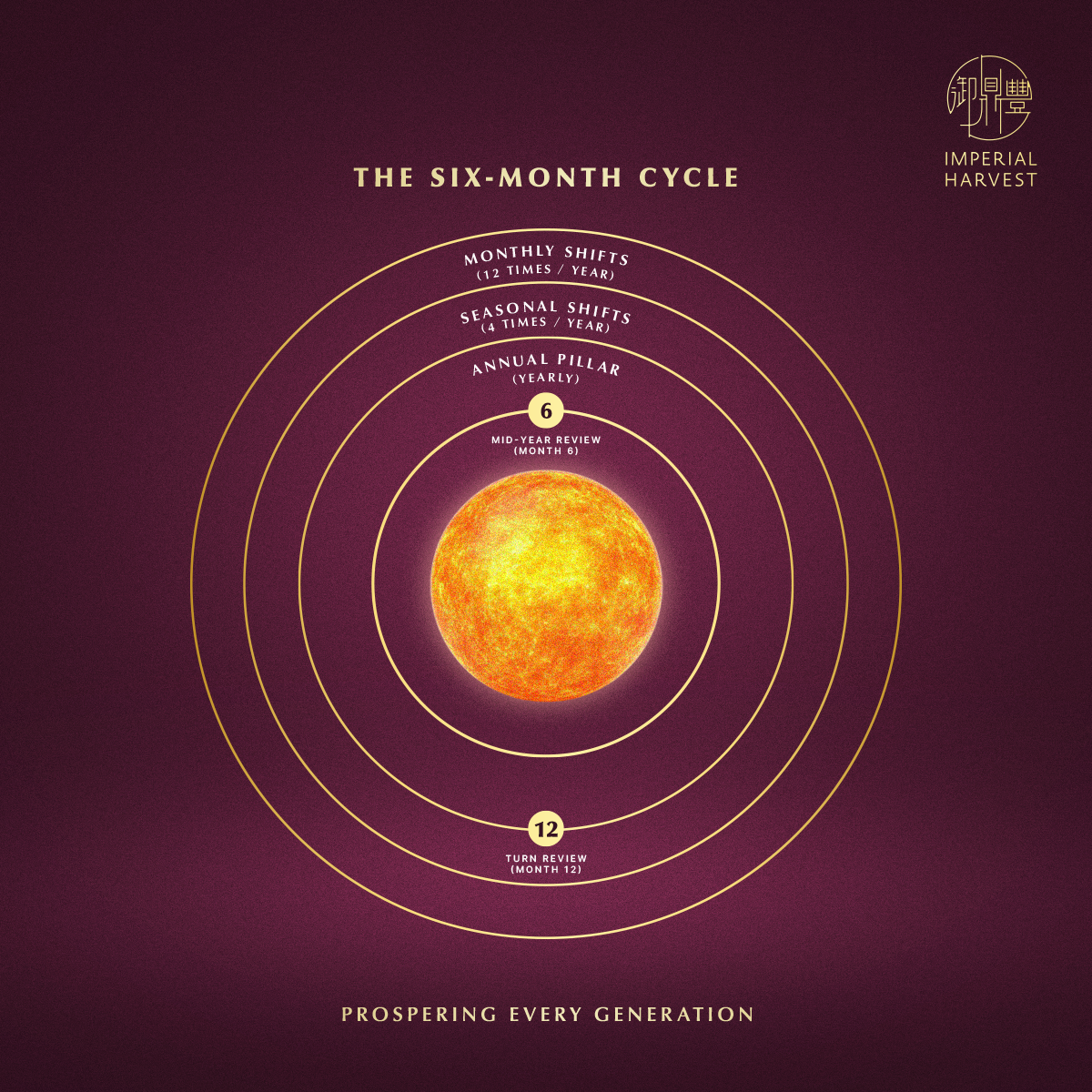
Imperial Harvest’s stewardship operates on a six-month cycle. Twice a year — once at the mid-point of the lunar year, once at its turn — every active client receives a full re-reading of their chart against the current elemental conditions. Grand Master David Goh conducts the review personally. The review addresses four distinct questions. First, which of the Four Quadrants is currently under the greatest structural pressure, and is the present activation calibrated to that quadrant. Second, which of the quadrants has shifted into a window of opportunity that was not present at the previous consultation, and is there an activation that should be extended into it. Third, which existing treasures need reblessing against the current seasonal anchor and the current celestial configuration. Fourth, whether any specific upcoming decisions in the client’s life — a business launch, a property transaction, a career move — warrant additional Qi Men Dun Jia date calculation or Yi Jing divination.
The cadence of six months is not arbitrary. It is the interval at which the seasonal pillar has shifted sufficiently to warrant a full review, the annual pillar has moved half of its cycle, and the practical changes in the client’s life have usually accumulated enough material to warrant strategic reassessment. Shorter than six months, the review would be responding to elemental shifts too minor to require treasure-level adjustment. Longer than six months, the conditions would have drifted to the point where a drift correction — rather than a calibrated step — becomes necessary. Six months is the rhythm at which the chart is always current without ever being over-consulted.
The chart is a living document. The activation calibrated to it must be continuous. The stewardship cycle is what makes the continuity possible.
— Grand Master David Goh
Reblessing — why a consecrated treasure is not permanent
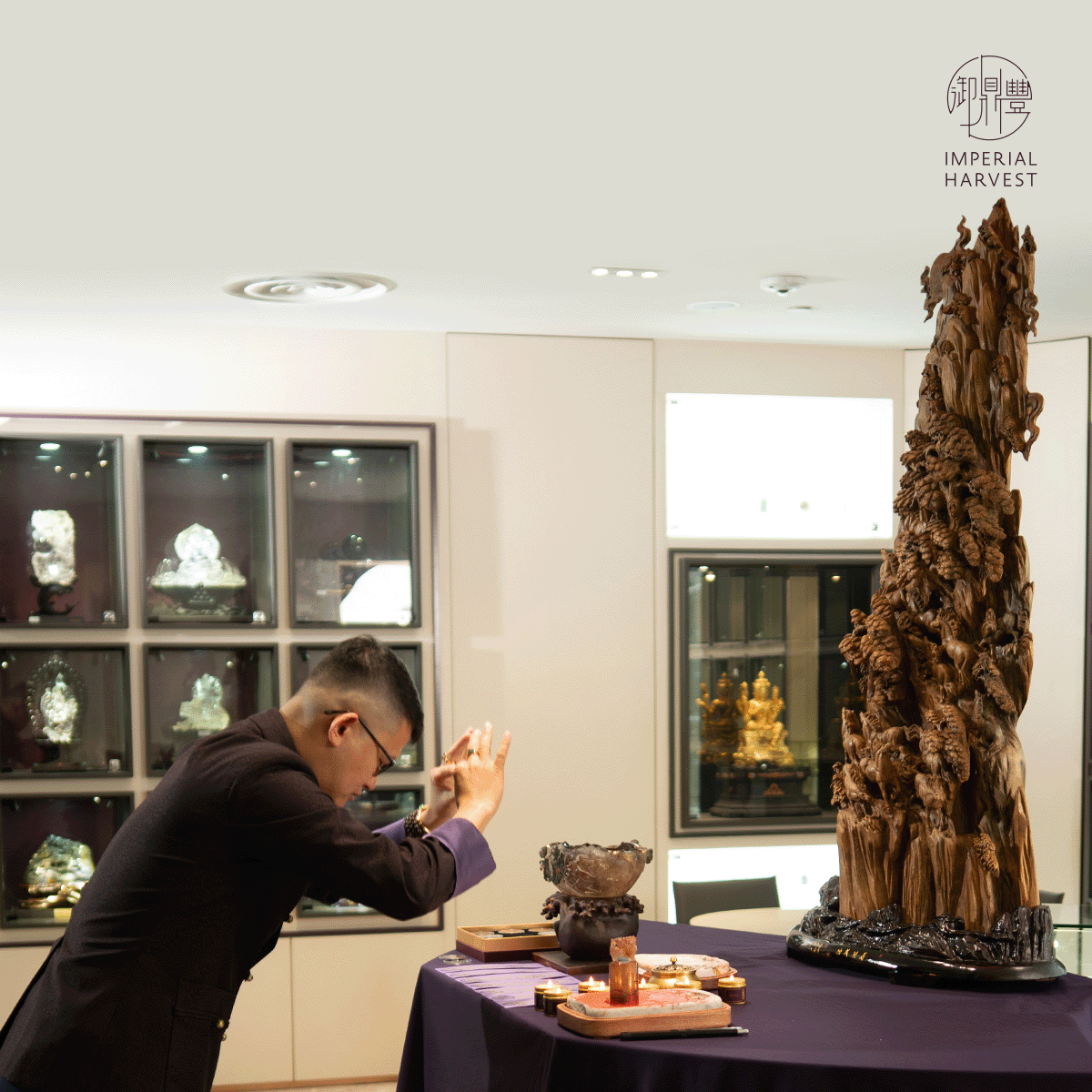
Among the four questions the six-month review addresses, the one that most often surprises first-engagement clients is the third: reblessing. A treasure consecrated at the moment of its acquisition carries the specific energetic signature of the altar configuration at that moment — the yearly anchor, the seasonal anchor, the Big Dipper candles, the specific incense, the specific vermillion, the specific talismans, and the astrological window within which the rite was conducted. This signature is genuine, and the activation it produces is real. But every one of those altar elements shifts over time. The yearly anchor is replaced next year. The seasonal anchor is replaced for the next ritual window. The altar a treasure was consecrated on in 2024 is not the altar that is sitting in the gallery in 2026, and it is not the altar that will be sitting there in 2028.
Reblessing is the practice of bringing a previously consecrated treasure back through the current altar configuration — updating its energetic signature to include the forces the current year and current season are commissioning the altar to concentrate. It is not a re-activation, because the original activation has not lapsed. It is a layering: the treasure now carries the energetic signatures of both altars, and across a multi-year stewardship, it accumulates the signatures of every altar configuration it has passed through. A client who has been with Imperial Harvest for five years carries treasures that have been blessed across five yearly anchors and across multiple seasonal anchors, each layer adding specificity to the original activation without replacing it. This is part of what the compounding trajectory Imperial Harvest’s documented clients exhibit is actually built on. The treasures themselves are becoming, across the years, more fully activated — not less.
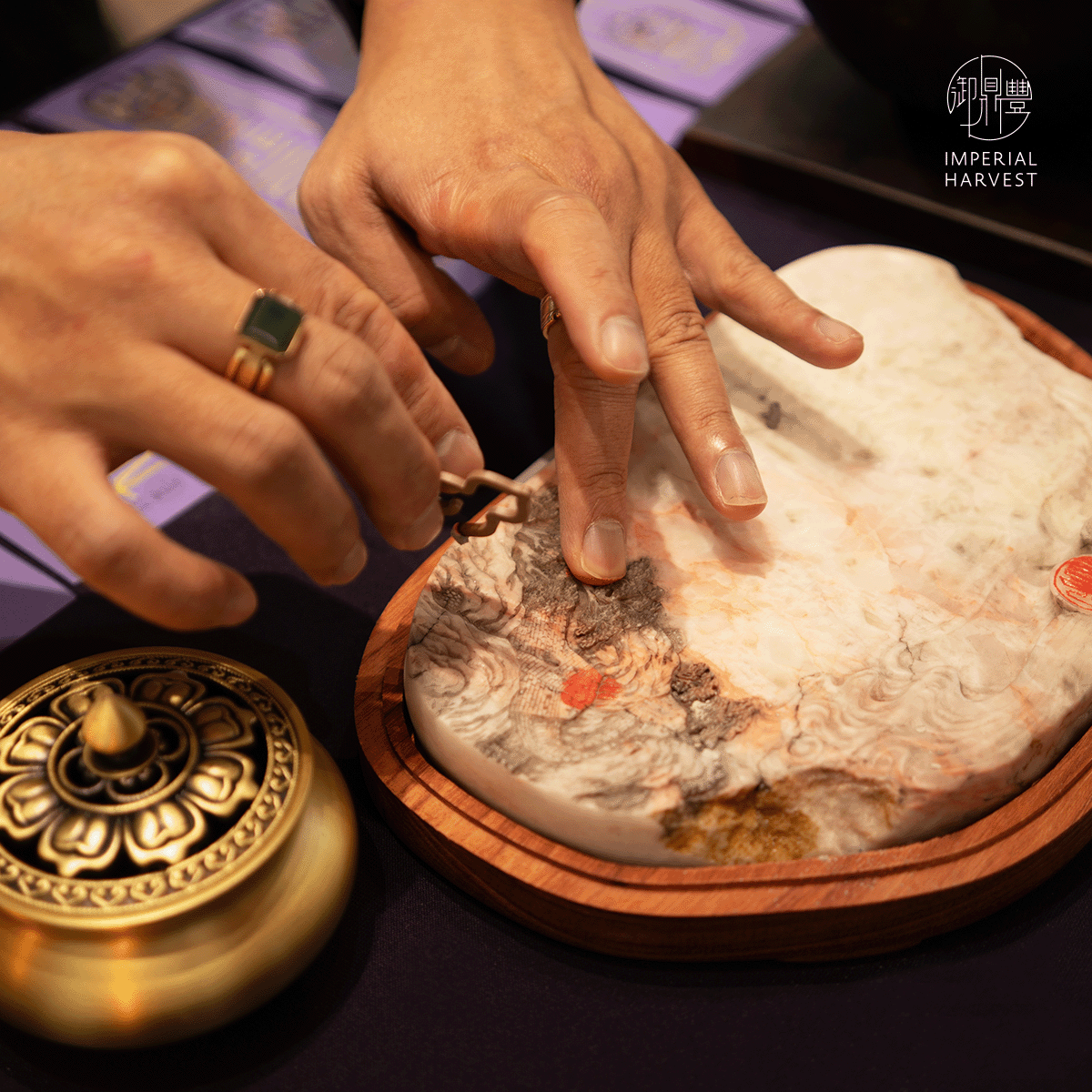
Reblessing is also, for the client, one of the rhythms that gives the stewardship its physical texture. Twice a year, the client returns to the gallery. Their treasures pass through the current altar again. The rite is conducted personally. The calibration is refreshed. The relationship is not a subscription or a retainer — it is an ongoing physical practice that the client participates in, not a service that is performed on their behalf in absentia.
Book A Free Consultation
The services that accompany the cycle
Within the six-month cycle sit several additional services that every Imperial Harvest client receives at no additional cost beyond the original acquisition. These are not premium tiers or upsells. They are the standard ongoing architecture of the stewardship.
Annual Bazi reviews. Once a year, the full natal chart is read against the new annual pillar and the current luck pillar, producing a structural forecast for the twelve months ahead. The review identifies which quadrants will face the greatest pressure, which windows of opportunity the chart will open into, and which decisions in the year ahead warrant specific attention. This is the report that gives a client visibility over their next year at the structural level — a forecast not of events, but of the conditions within which events will unfold.
Home Feng Shui assessments. The client’s residence is a spatial environment that interacts with the natal chart. A home that is misaligned with the chart can act as a persistent drag on activation. Imperial Harvest’s consultants conduct home assessments to identify the sectors governing wealth, authority, relationships, and health within the specific residence, and to recommend spatial adjustments that allow the home to support the activation the chart has received. Across a multi-year stewardship, the home is re-assessed as renovations, relocations, and life circumstances change.
Qi Men Dun Jia consultations. For high-stakes decisions where timing and direction matter decisively — a property acquisition, a business launch, a major capital deployment, a strategic leadership move, a significant commercial negotiation — 奇門遁甲 Qi Men Dun Jia provides precise date and directional guidance calibrated to the specific decision and the specific client’s chart. A Qi Men consultation does not predict the outcome; it identifies the window and the approach that maximise the probability of a favourable result.
Yi Jing divination. When a decision requires clarity beneath the surface of the available analysis — when the facts are known but the pattern is ambiguous — 易經 Yi Jing divination reveals the underlying dynamics at play, giving the client the conviction to act with clear reading of the situation rather than calculation alone. Yi Jing is used sparingly, at moments where ordinary strategic thinking has reached its limit.
Together, these services form the continuing practice that a client enters when they engage Imperial Harvest. The original consultation is the beginning. The original treasure is the instrument. The stewardship cycle — and the services within it — is the relationship that converts both into the compounding trajectory the practice is built around.
What a returning-client record actually looks like
Imperial Harvest maintains a substantial record of returning clients — professionals, executives, business owners, and entrepreneurs who entered the practice at a single consultation and have remained within the stewardship cycle across years, some of them across more than a decade. The scale of this record is worth stating plainly. Several hundred Singapore-based clients participate in the ongoing cycle, each with a cumulative history of consultations, activations, reblessings, and stewardship engagements distinct to their specific chart and specific sequence. The returning clients are not a marketing statistic. They are the structural evidence that the practice operates as the earlier essays have described — as compounding stewardship rather than one-time transaction.
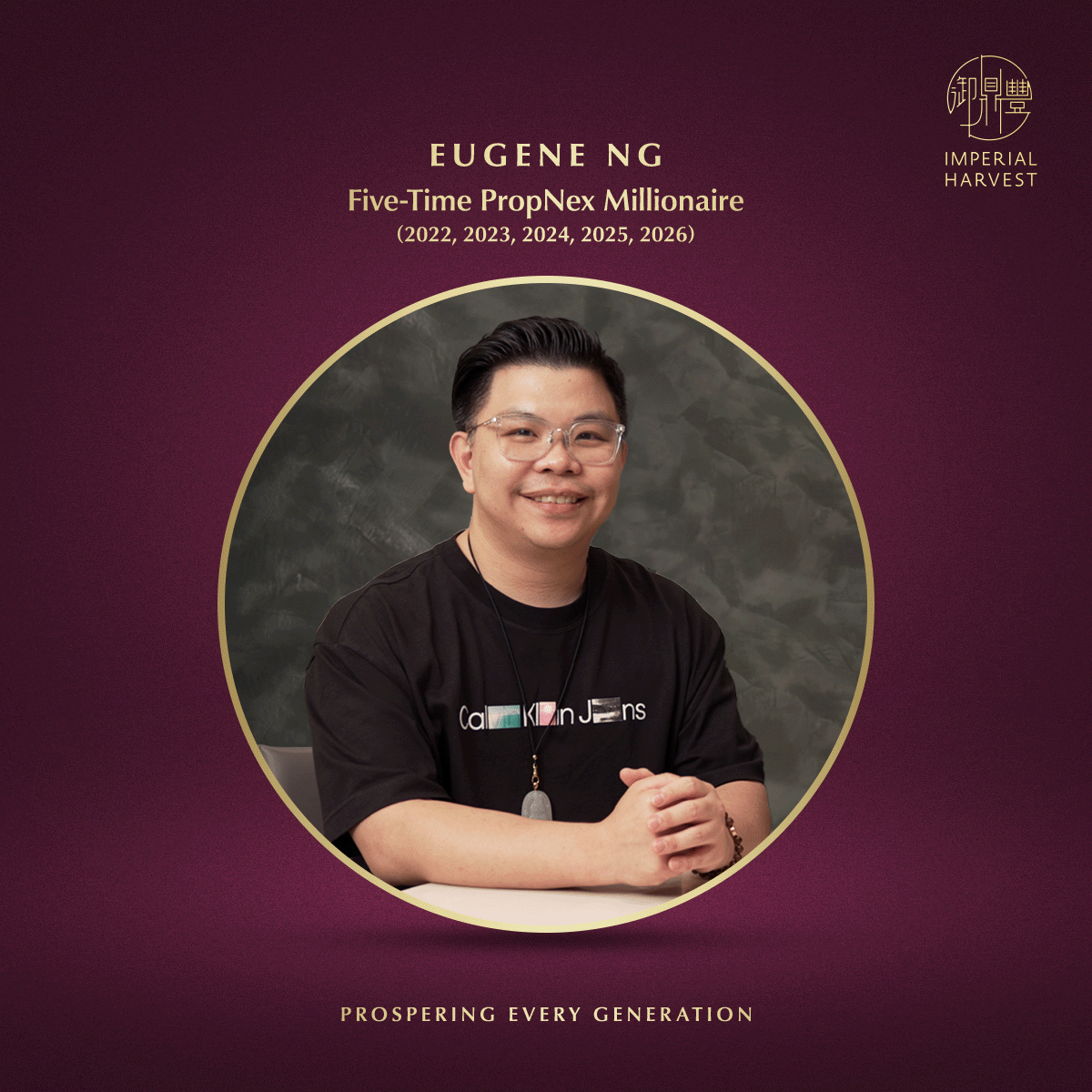
The individual client trajectories the series has already documented are drawn from this record. Eugene Ng’s five consecutive PropNex Millionaire titles, the milestone cycle shortening from twelve months to four, were produced across more than five years inside the stewardship cycle.
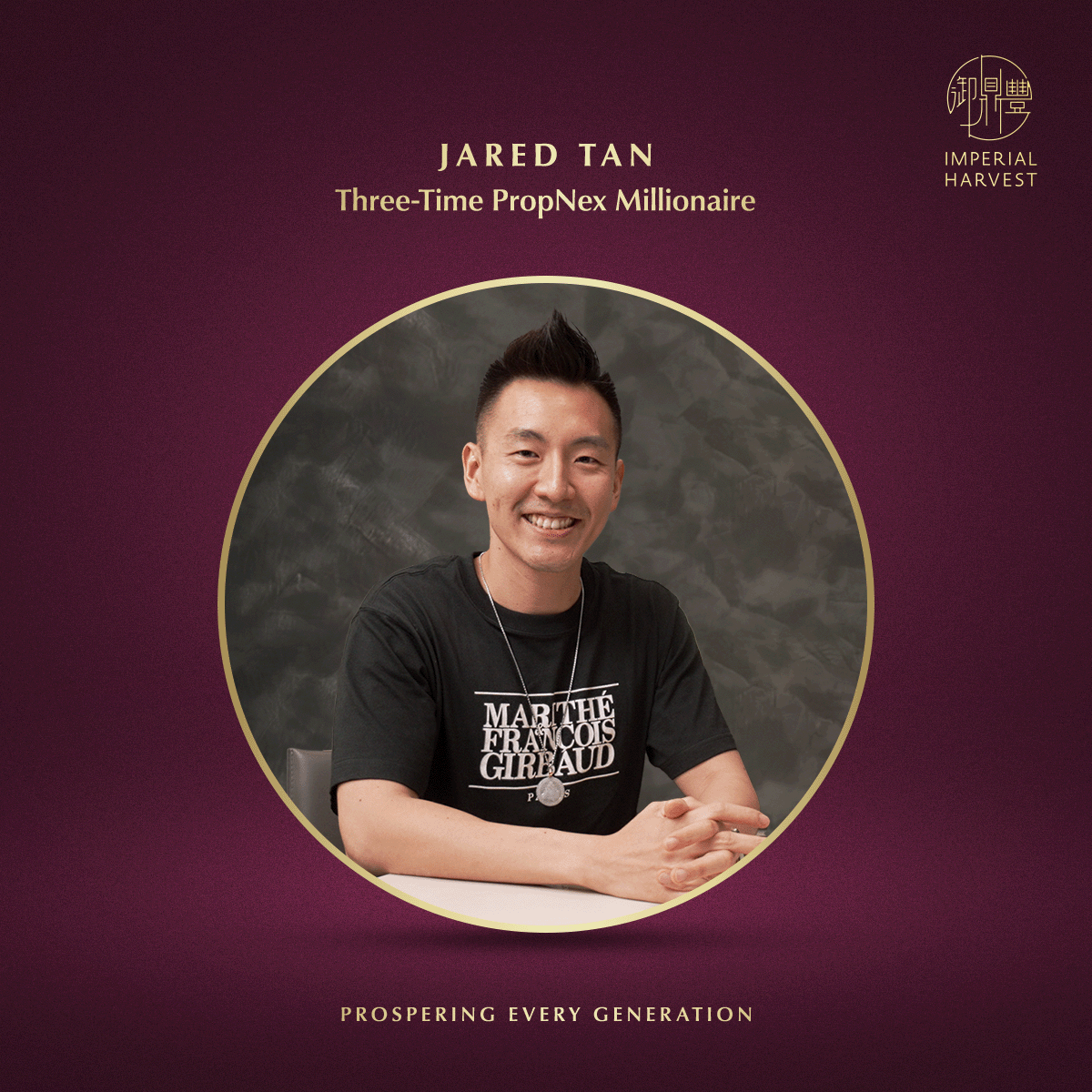
Jared Tan’s three consecutive PropNex Millionaire titles were produced across three years of stewardship following his initial consultation in October 2022.
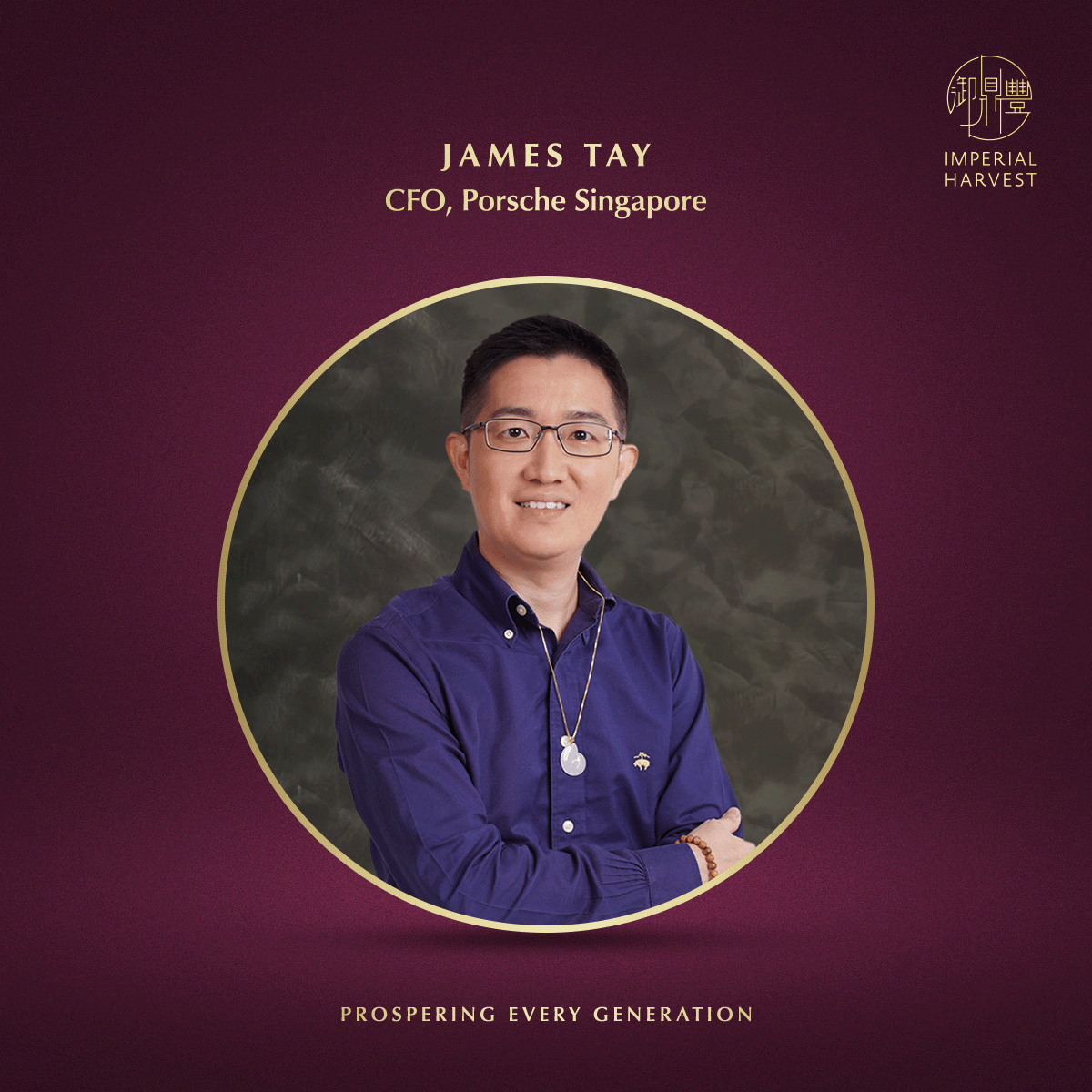
James Tay’s progression from Finance Manager at an international school to Chief Financial Officer of Porsche Singapore spanned more than five years of staged activation across Major Yin, Major Yang, and — eventually — Minor Yin, each transition calibrated through the six-month reviews that carried his stewardship forward. None of these trajectories is explicable as a single engagement. All of them are the product of the cycle the current essay is describing.
This is the structural reason Imperial Harvest’s documented outcomes look the way they do. At the second-class tier of feng shui practice, a client receives a consultation, implements the advice, and — barring a further consultation — carries the benefit (or the limit) of that single engagement indefinitely. The pattern produces good sessions. At the first-class tier, the stewardship cycle continues to refine the activation as the conditions shift, layer new activations over existing ones as the chart progresses, and maintain the calibration of every treasure in the client’s collection through the altar configurations of each passing year. The pattern produces the compounding trajectory. This is not a mystery. It is the operational consequence of operating at a tier where the practice assumes the relationship is continuous.
What the series has established
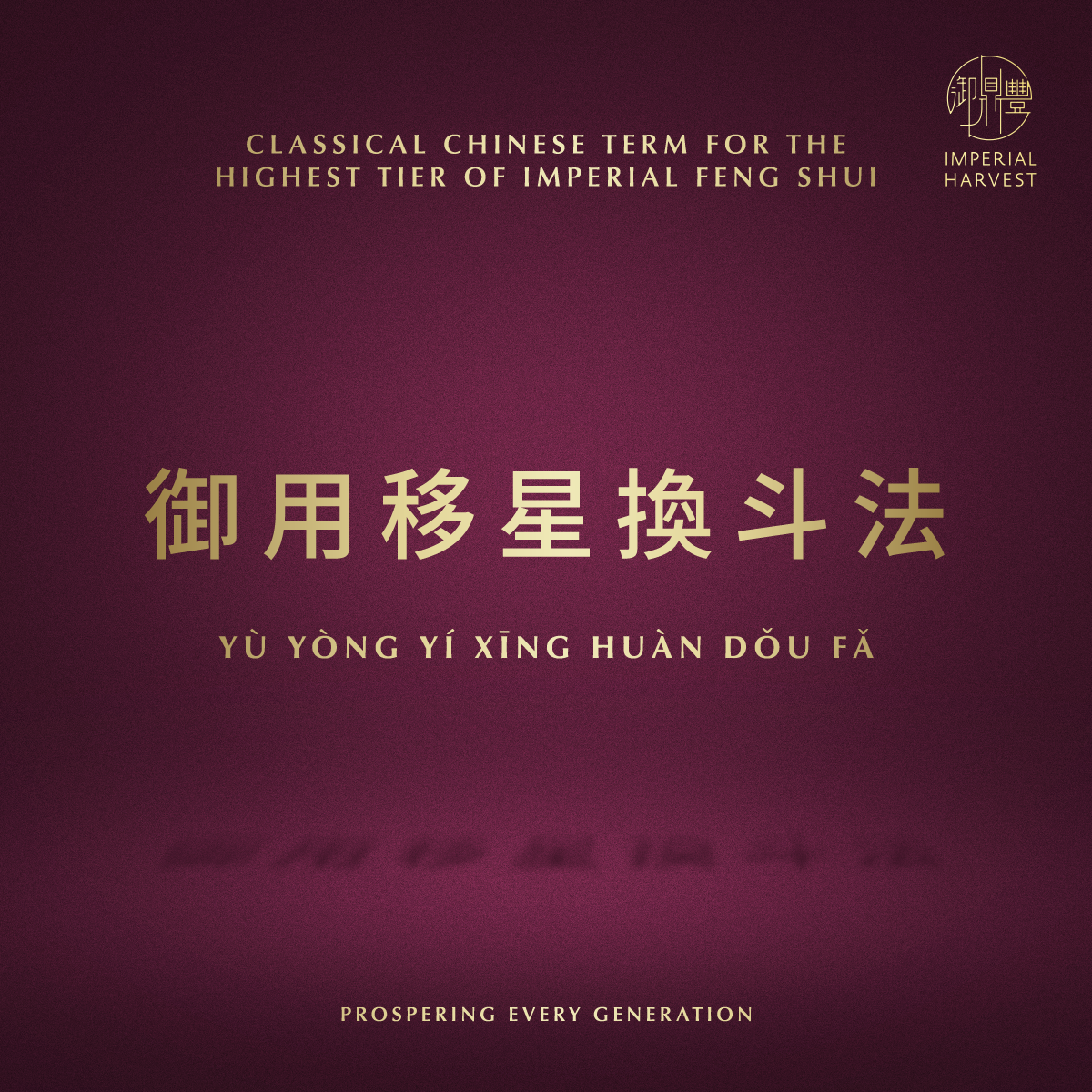
Across six essays, the architecture Imperial Harvest operates within has now been fully described. The first essay established the classical three-tier hierarchy — 三流, 二流, 一流 — and placed Imperial Harvest at the first-class tier through the specific capability the imperial tradition reserves for the imperial court. The second essay unpacked that capability — Imperial Destiny Engineering Protocol (御用移星換斗法) — as a technical operation distinct from the reading practices of every tier beneath it. The third essay described how a Bazi chart is read at that tier, in the classical Chinese language the system was articulated within, producing the structural diagnosis the consultation delivers. The fourth essay named the Four Quadrants of Destiny, the framework through which that diagnosis is organised, and anchored each quadrant in a named client trajectory that shows what aligned and constrained expressions of each quadrant look like across time. The fifth essay described the Ceremonial Anchor — the commissioning cadence through which the altar is calibrated to each year and each ritual window. And this essay has closed the arc by describing the stewardship cycle through which the original activation continues to compound across the years that follow it.
Each essay is complete in itself. Taken together, they describe a practice whose authority is not derived from marketing claims but from structural fidelity to a imperial tradition that no other consultancy in Singapore inherits. A reader who has reached this paragraph of the sixth essay has encountered, in documented detail, what Imperial Feng Shui actually is — not as civilian feng shui elevated with more expensive materials, but as the inherited imperial court practice operating, in Singapore, through Imperial Harvest and through Grand Master David Goh’s principal lineage.
Book A Free Consultation
The consultation that begins the cycle

The cycle described in this essay is accessible through a single entry point: the complimentary Bazi consultation with Grand Master David Goh, conducted personally at the Imperial Harvest gallery at Delfi Orchard. The consultation produces the structural diagnosis that the rest of the series has been describing — the reading of the four pillars, the identification of which of the Four Quadrants is currently producing the client’s primary ceiling, and the sequence through which the constrained quadrants should be addressed. For many clients, the consultation alone is the insight they came for: a coherent structural account of outcomes in their career, wealth, and relationships that they had previously been unable to explain through effort or strategy alone.
For others, the consultation is the beginning of the stewardship — the first consultation in a cycle that, if the client chooses to continue, will unfold across years and will compound the activation the practice is built to produce. The decision is the client’s. The offer is that the consultation is free, the diagnosis is structural, and the relationship — if pursued — is the one this series has now described in its entirety. What happens beyond that point is determined by the chart and the decisions of the person it describes.
Imperial Harvest does not claim to do more than this. It claims, specifically, to operate a practice at the first-class tier that the imperial court historically reserved, and to make that practice available, through the stewardship cycle, to clients who choose to enter it. Every essay in this series has been a description of that claim with the precision the claim itself deserves. The essays are the invitation. The consultation is the first step.
Part One · The Imperial Court Tradition Singapore Kept
Part Two · What Imperial Destiny Engineering Protocol (御用移星換斗法) Actually Means
Part Three · Bazi, Read as Classical Chinese
Part Four · The Four Quadrants of Destiny
Part Five · The Ceremonial Anchor
Part Six · The Stewardship Cycle