
Posted by Imperial Harvest on 12 December 2025
The Most Important Ritual of the Imperial Year
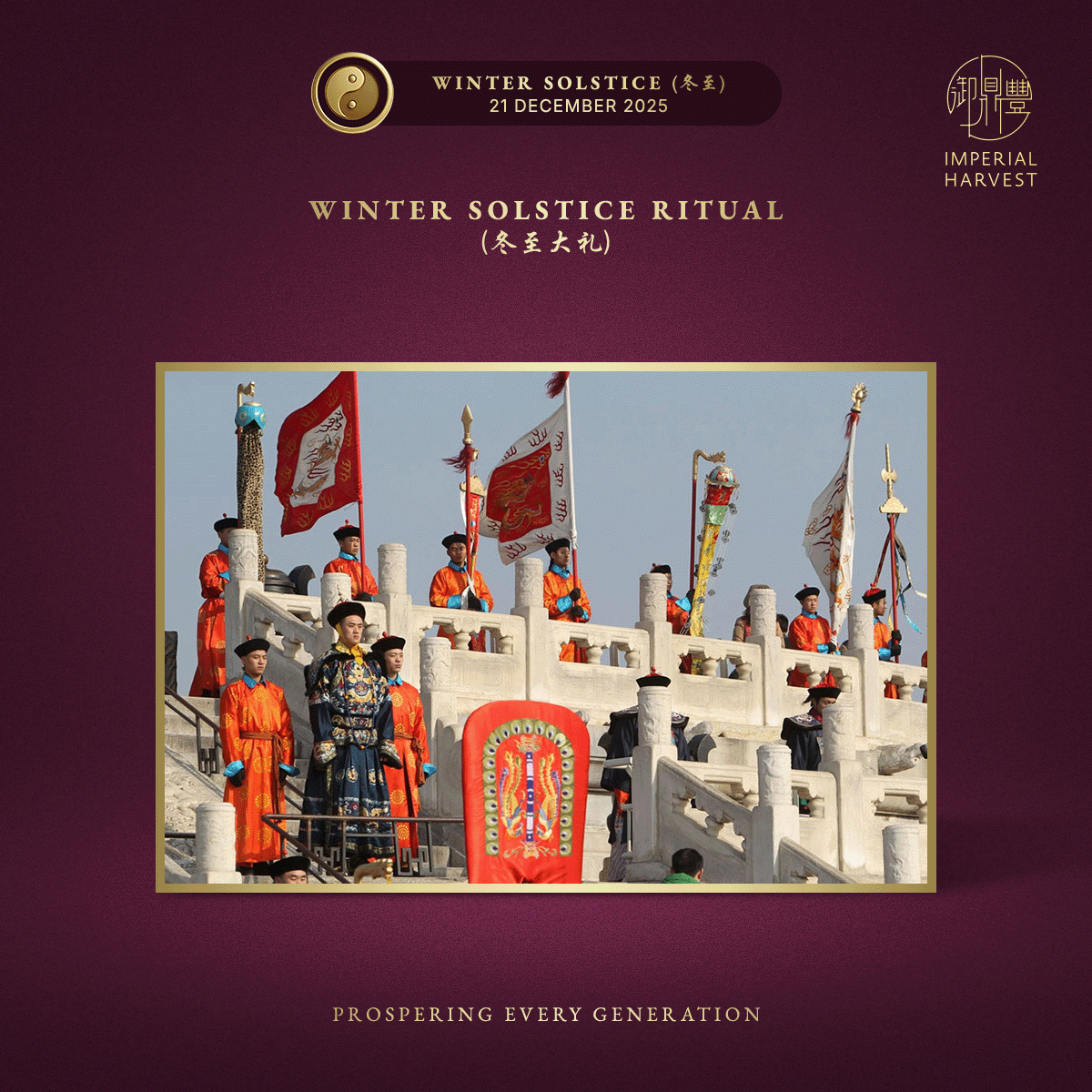
Of all the rites observed throughout the imperial calendar, none carried deeper spiritual significance than the Winter Solstice Ritual (冬至大礼). Held on the longest night of the year, when Yin reaches its absolute peak and the first spark of Yang quietly stirs, this ceremony marked the true beginning of the empire’s energetic cycle. On this sacred day, the Son of Heaven (天子) would depart the Forbidden City and ascend to the Temple of Heaven (天坛) to perform the empire’s highest act of devotion: to give thanks for the year’s bountiful harvest and to pray for abundance, harmony, and prosperity in the year to come.
Why Winter Solstice Matters — The Turning of Yin to Yang
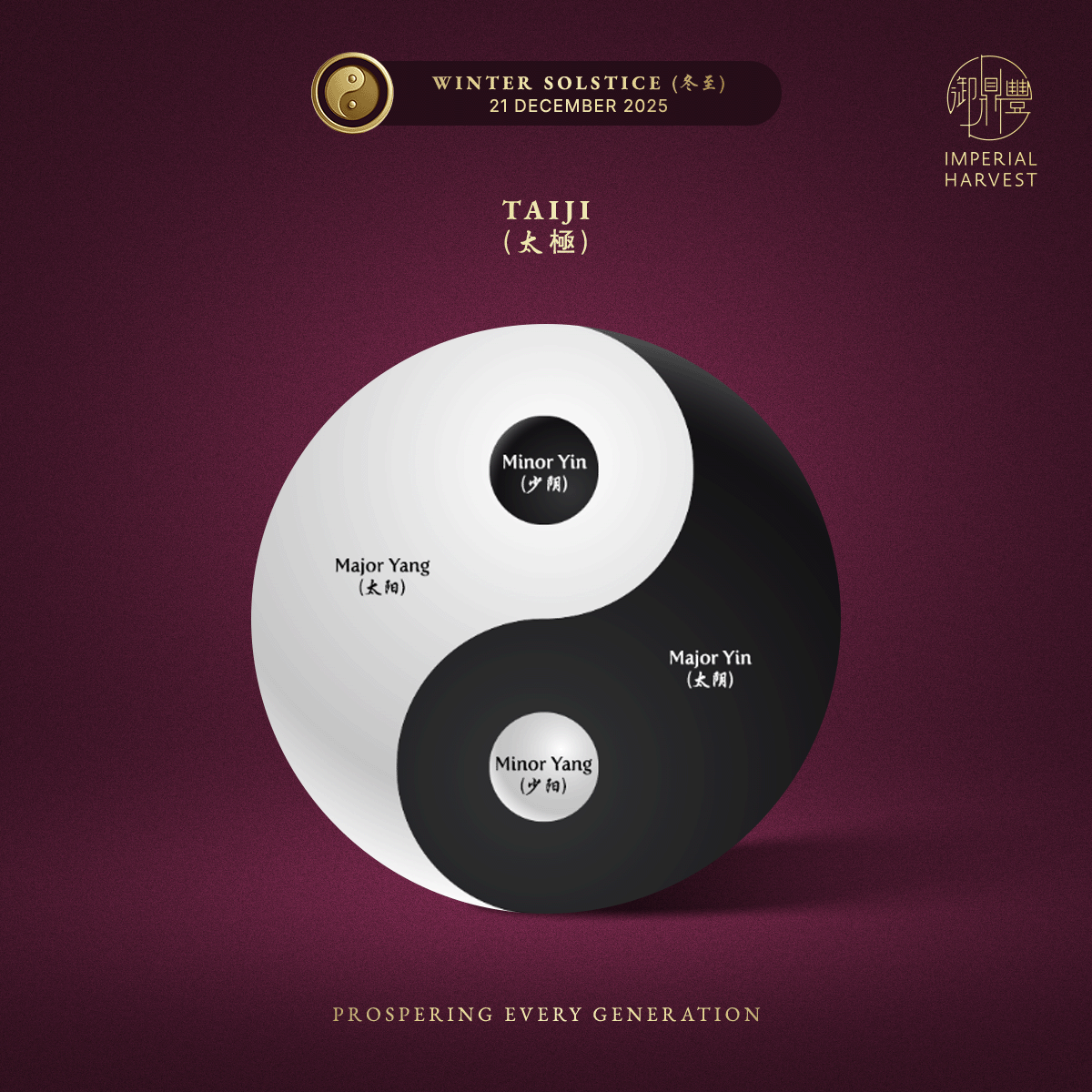
In the classical wisdom of the I Ching (易经), every transformation in the universe follows the rhythm of Yin and Yang. Winter Solstice represents one of the most profound transitions in this cosmic cycle. It is the moment of:
极阴生阳 — “When Yin reaches its extreme, Yang is born.”
On this longest night of the year:
- Yin energy reaches its deepest stillness, symbolising consolidation, reflection, and the close of the old cycle.
- Yang energy is quietly reborn, marking the first upward movement toward growth, vitality, and renewal.
- The solar year resets, initiating a fresh cycle of Heaven’s blessings and opportunities.
For the emperors of Imperial China, this was not merely an astronomical phenomenon. It was a cosmic opening – a rare alignment in which they could guide the destiny of the realm, express gratitude for blessings received, and anchor abundance for the year ahead. Winter Solstice was, in every sense, the turning point of Heaven’s Mandate.
Temple of Heaven — The Axis of Heaven and Earth
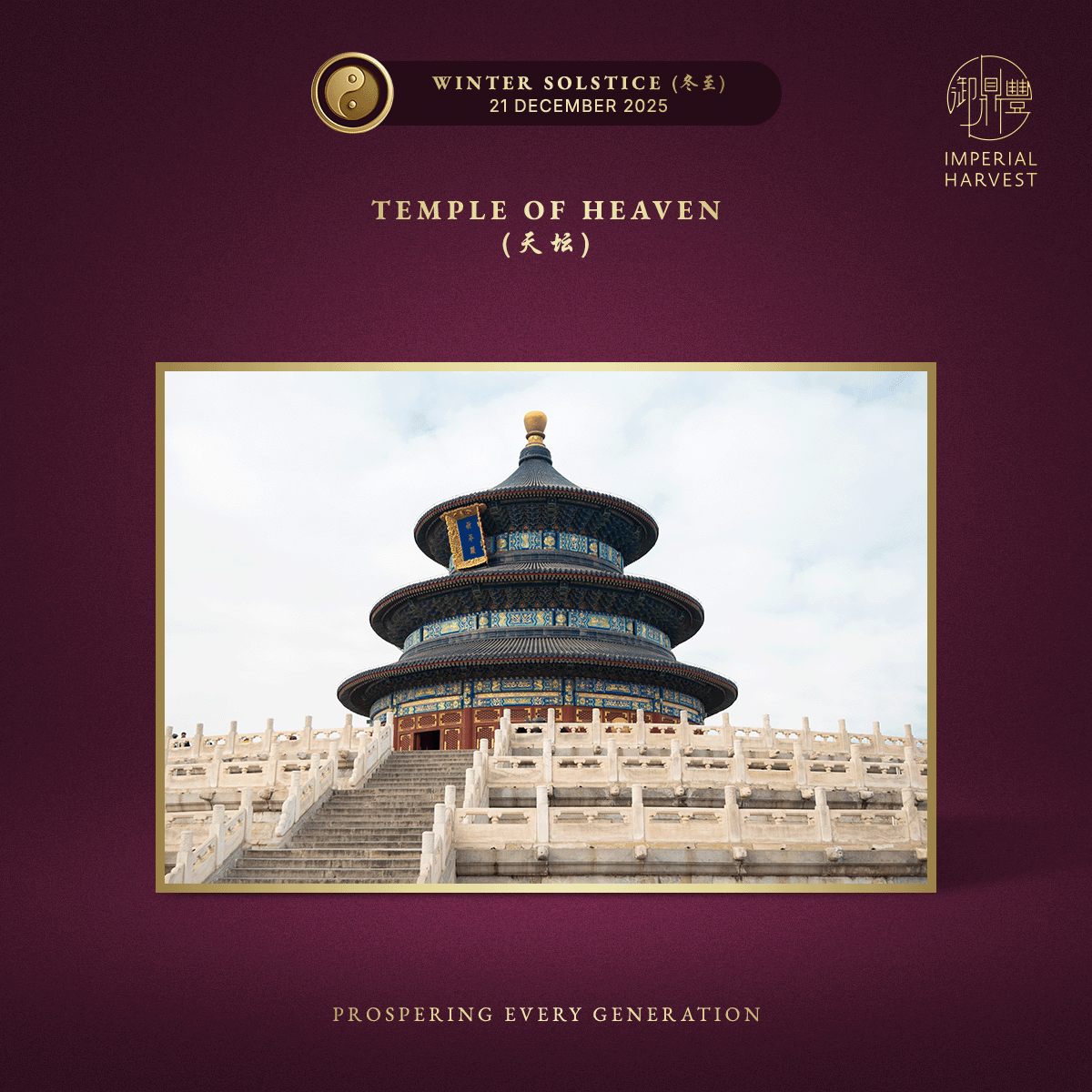
Among all imperial structures in Beijing, none embodied the cosmology of the Chinese world more perfectly than the Temple of Heaven (天坛). Unlike the Forbidden City, which served administrative and ceremonial functions for the court, the Temple of Heaven existed for a single, sacred purpose:
To allow the Son of Heaven to communicate directly with Heaven on behalf of the entire realm.
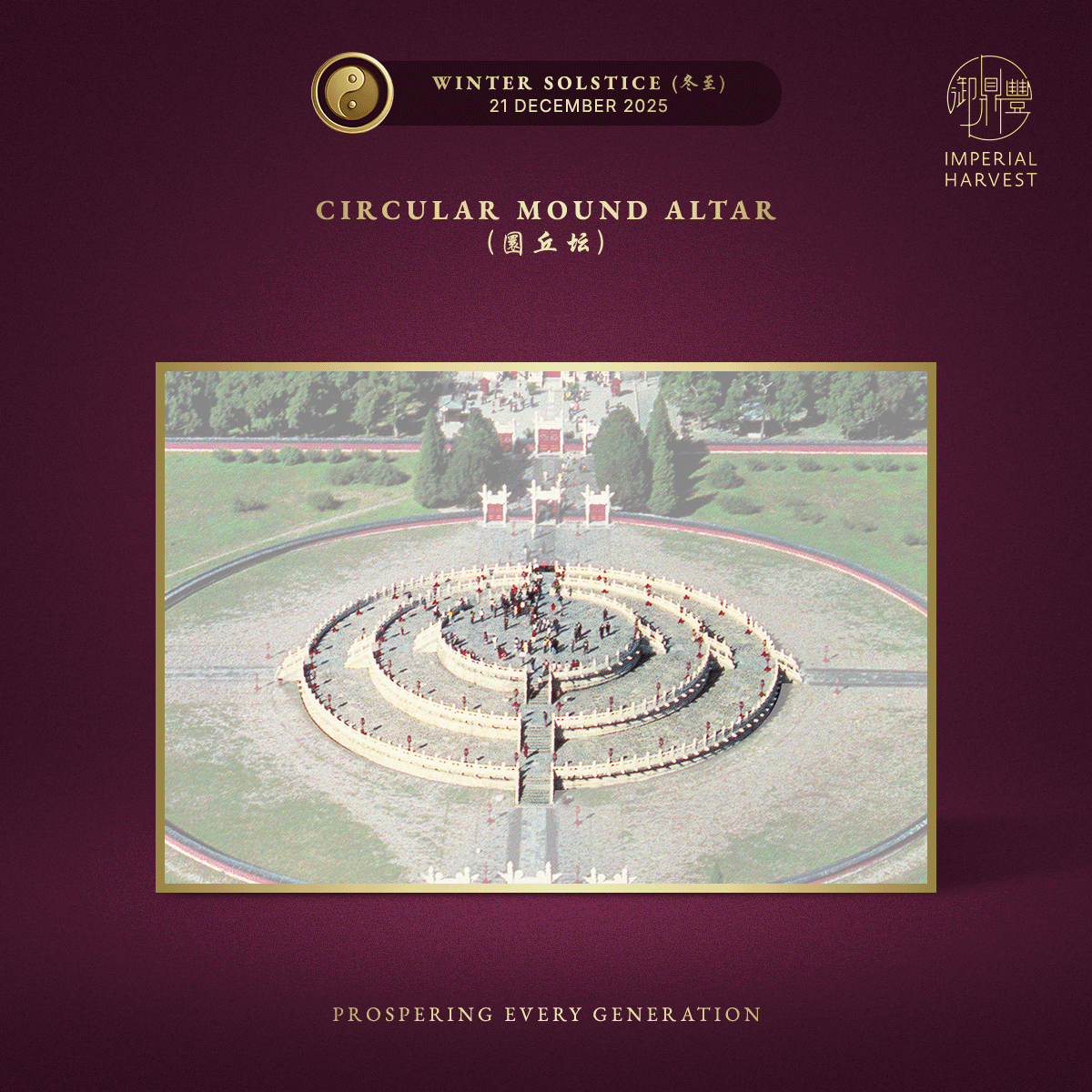
At the heart of this majestic complex stands the Circular Mound Altar (圜丘坛) – an open-air, three-tiered platform built of pristine white marble. Its architectural principles were rooted in ancient metaphysics:
- Circular form symbolising Heaven’s perfection
- Open sky above, ensuring an unobstructed connection with celestial forces
- Three ascending tiers representing the three realms: Heaven, Earth, and Man
- The Heart of Heaven stone placed at the centre – the point where all directional energies converge
It was here, in the freezing stillness before dawn, that the emperor stood alone at the centre of the cosmos. This location was regarded as the energetic axis of the world, where Heaven’s will could be accessed, and blessings for the coming year could be invoked with unmatched clarity.
The Winter Solstice Blessing Ritual — Gratitude and Petition
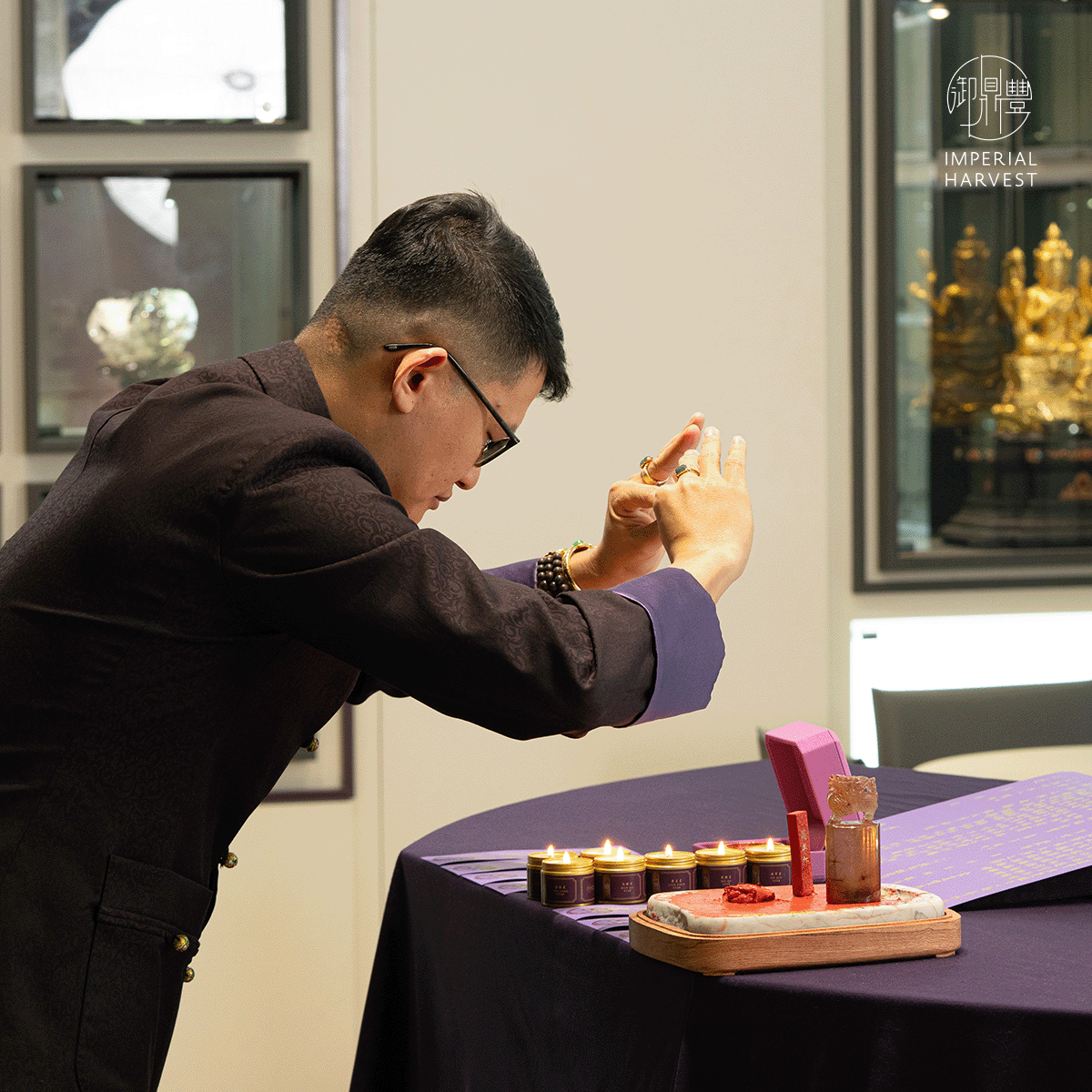
The Winter Solstice Ritual was the highest form of imperial devotion, known as 祭天 – the Sacrifice to Heaven. It was the only day each year when the Son of Heaven performed this solemn rite, reflecting its unparalleled importance in securing the empire’s stability and prosperity. The ceremony followed a precise and sacred sequence, each step embodying centuries of cosmological understanding and statecraft.
1. Purification and Fasting
In the days leading up to Dongzhi, the emperor undertook strict purification. He fasted, abstained from pleasures, and maintained a state of quiet focus – cleansing the body and mind to receive Heaven’s presence. This purification mirrored the deep stillness of winter itself.
2. The Predawn Procession
Before sunrise, illuminated only by torchlight and the pale glow of winter stars, the emperor proceeded from the imperial residence to the Circular Mound Altar. Court musicians played solemn hymns, and officials followed in ceremonial order. The silence of the predawn hour heightened the spiritual gravity of what was to come.
3. Offerings to Heaven
Upon reaching the altar, offerings of the highest purity were presented:
- Jade, symbolising virtue and clarity
- Fresh grains and harvest fruits, representing the year’s bounty
- Silk, signifying prosperity and refinement
- Fragrant incense, rising skyward as a bridge between earthly devotion and divine response
These offerings expressed deep gratitude for the abundance Heaven had granted throughout the year.
4. The Emperor’s Expression of Gratitude
Standing at the centre of the altar, the emperor bowed deeply, acknowledging:
- Favourable weather and timely rains
- Plentiful harvests from the empire’s farmlands
- Prosperous seasons for merchants and artisans
- Stability and harmony among the people
- Protection from calamity and unrest
This act of gratitude grounded the blessings already received, ensuring they could be preserved and carried into the new cycle.
5. Petition for the Coming Year’s Abundance
Only after gratitude did the emperor deliver the Imperial Petition, requesting Heaven’s favour for the year ahead:
- Fertile lands and gentle seasons
- Abundant harvests and thriving livestock
- Peaceful borders and cooperative governance
- Prosperous commerce and rising fortunes for the people
- Protection from droughts, floods, and misfortune
As the first light of dawn, the reborn Yang – broke across the horizon, the prayer was believed to ascend directly into the Heavens, sealing the fate of the coming year.
Renewing the Mandate of Heaven
In Imperial China, an emperor did not rule solely by lineage, power, or decree. His legitimacy rested upon a far greater cosmic principle known as the Mandate of Heaven (天命), the divine sanction that granted a ruler the right to lead so long as he upheld virtue, harmony, and prosperity across the realm.

The Winter Solstice Ritual was the annual moment when this mandate was reaffirmed.
At the Circular Mound Altar, the emperor embodied the role for which he was named:
The Son of Heaven, the living bridge between Heaven and Earth.
This alignment unfolded through three sacred relationships:
-
Heaven (天)
Source of light, order, and abundance, the origin of Yang energy that governs renewal and growth. -
Earth (地)
The land, the harvest, the people, and the empire’s resources, the realm that must be nourished and protected. -
Human (人)
The emperor himself, standing at the exact centre of the altar, physically and spiritually connecting the celestial with the terrestrial.
When these three forces aligned perfectly during the Winter Solstice Ritual:
- The empire enjoyed ample harvests and stable seasons
- Society flourished with peace, order, and virtuous governance
- Markets thrived, and prosperity spread across the land
- The dynasty secured its long-term stability and success
But if alignment faltered, Heaven’s Mandate weakened, leading to:
- Harsh climates
- Failed crops
- Economic hardship
- Social unrest
- Dynastic decline
This is why the Winter Solstice Ritual was not merely ceremonial – it was the energetic, political, and spiritual foundation that underpinned the empire’s entire destiny.
Dongzhi in Modern Life — A Time for Gratitude, Renewal, and Reset
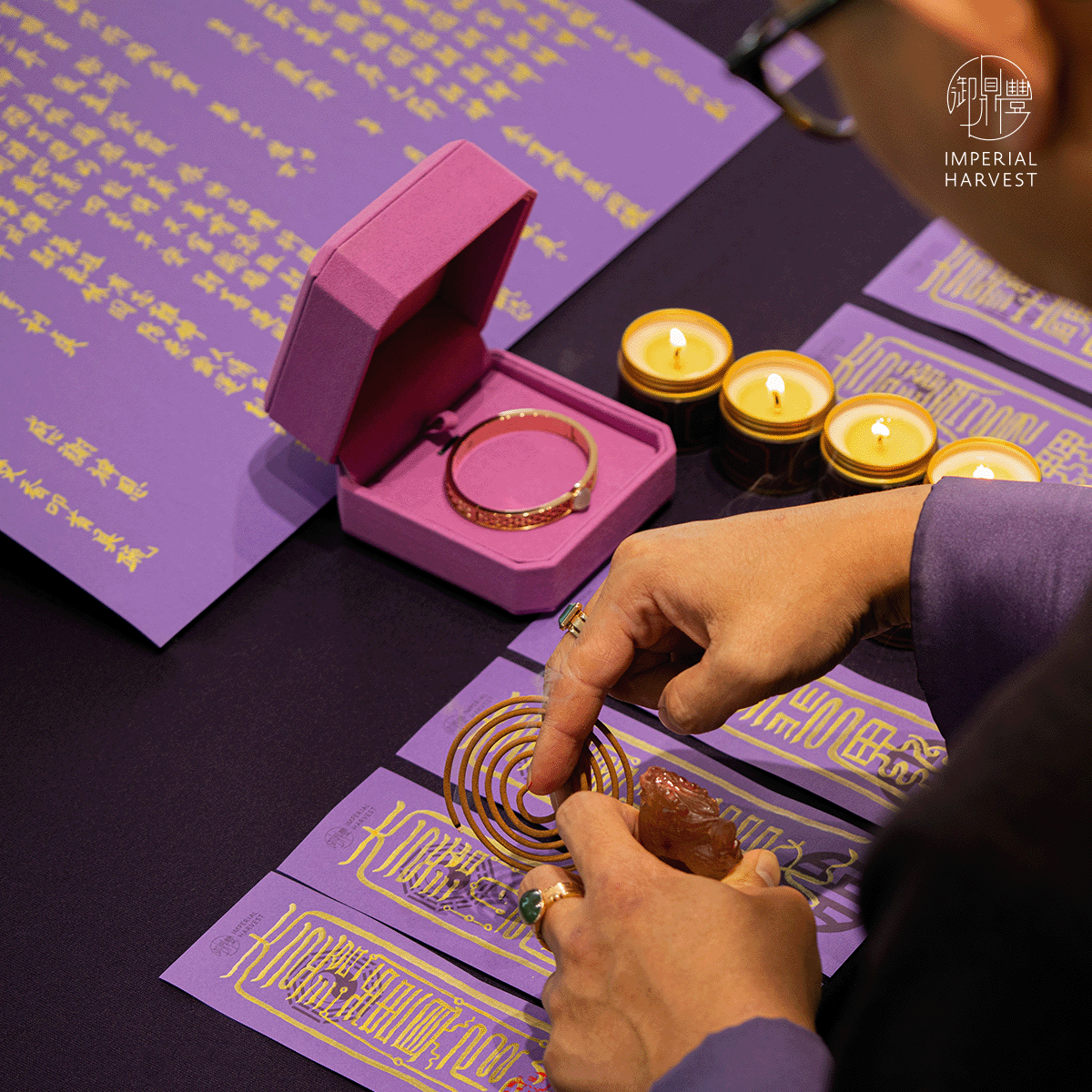
While the imperial rites of the Temple of Heaven are now part of history, the metaphysical power of Winter Solstice remains unchanged. Today, Dongzhi continues to mark one of the most energetically potent moments of the year, a window perfectly suited for reflection, renewal, and the planting of new intentions.
Just as the emperor reviewed the empire’s harvest, modern individuals can use this moment to reflect on their own:
Your career harvest:
Promotions earned, projects completed, recognition received, challenges overcome.
Your business harvest:
Revenue growth, major deals, new partnerships, operational milestones.
Your financial harvest:
Investment gains, portfolio resilience, wealth accumulation, clearer financial direction.
Your personal and family harvest:
Health, relationships, stability, milestones, and the support you have received along the way.
Winter Solstice is also the ideal moment to release the accumulated weight of the year, including setbacks, emotional tension, stagnation, or unfinished business, allowing the reborn Yang energy to rise unobstructed in the months ahead.
This creates the perfect environment to:
- Express gratitude for the blessings received
- Close old cycles with clarity and peace
- Set new intentions for the coming year
- Align yourself with favourable energies for career, wealth, health, and family
- Welcome the first light of the new energetic cycle
Just as the emperor renewed the Mandate of Heaven for the empire, individuals today can use Dongzhi to recalibrate their personal Heaven Earth alignment, opening the way for a year of abundance, opportunity, and fulfilment.
Imperial Harvest Treasures for Winter Solstice Blessings

To honour the spiritual essence of the Winter Solstice Ritual, gratitude for the passing year and the harmonious beginning of the next, Imperial Harvest presents a curated selection of treasures that mirror the imperial logic of the Temple of Heaven blessings.
Each treasure plays a distinct metaphysical role during the Yin-to-Yang transition, supporting renewal, stability, and the cultivation of abundance for the year ahead.
Zodiac Guardian, Protector of Destiny

In Imperial Feng Shui, the Zodiac Guardian embodies the celestial forces that safeguard one’s destiny through periods of transition. During Winter Solstice, when Yin gives way to reborn Yang, this stabilising presence is especially crucial.
Your Zodiac Guardian:
- Shields your energy from year-end turbulence
- Harmonises changing luck cycles
- Strengthens personal resilience and spiritual clarity
- Ensures a smooth, auspicious transition into the new year
Just as the Son of Heaven invoked Heaven’s protection, the Zodiac Guardian anchors your personal alignment with celestial support.
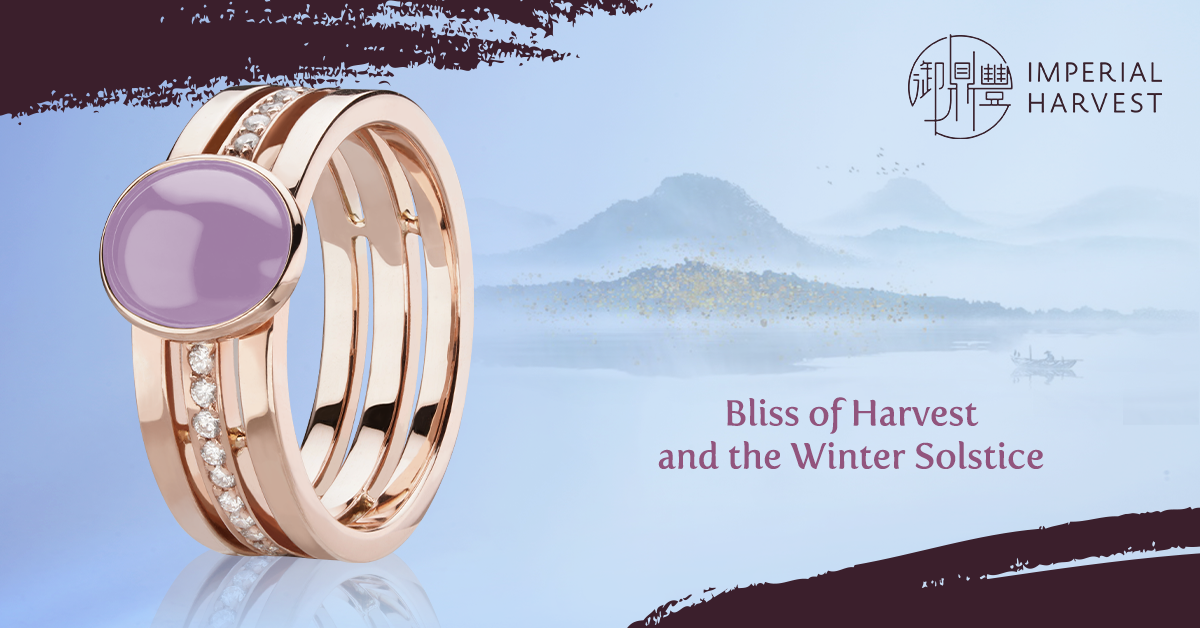
Bliss of Harvest Jadeite Collection: Ring & Bangle
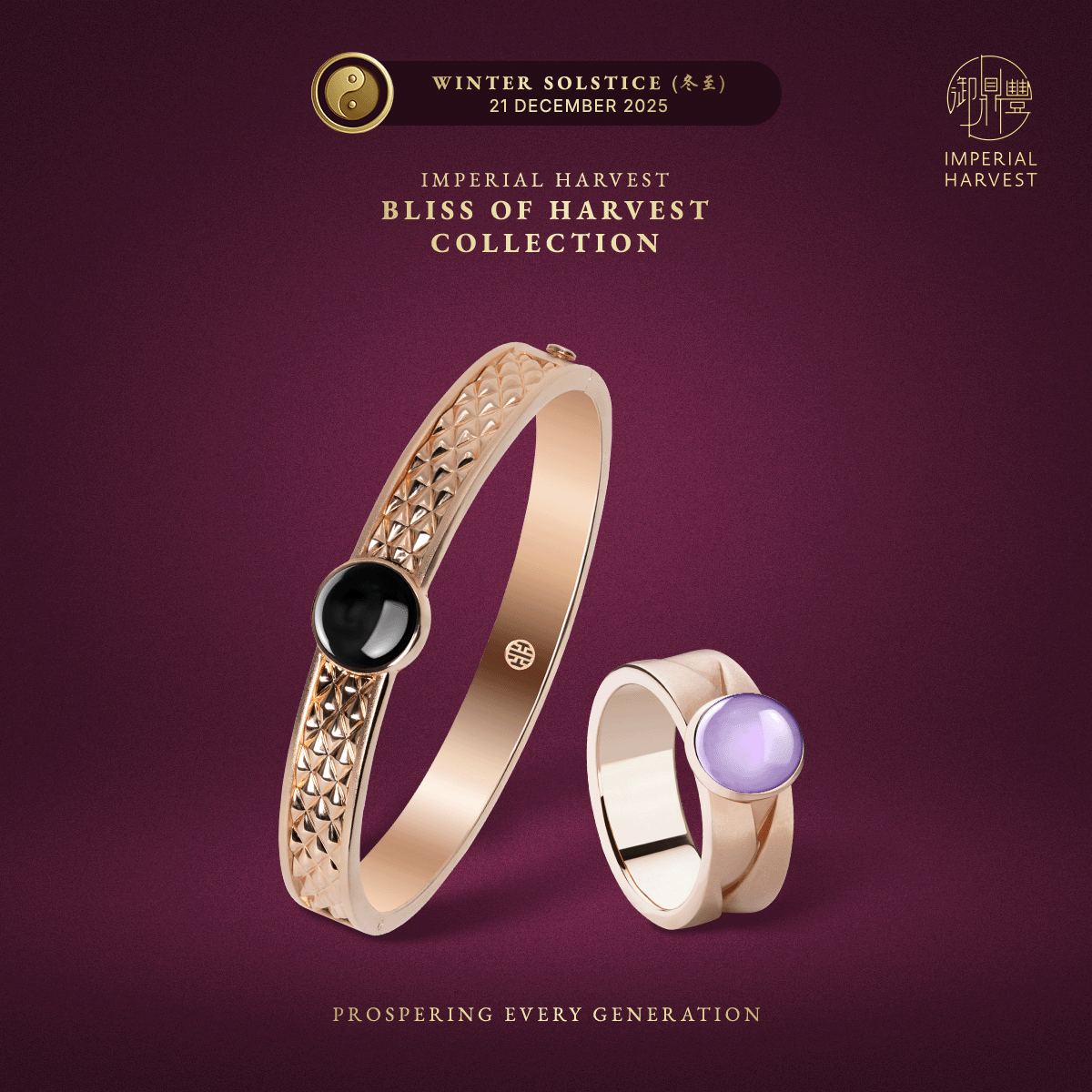
The emperor’s Winter Solstice ritual centred on one profound theme: gratitude for the year’s harvest. The Bliss of Harvest Jadeite Collection reflects this imperial principle, honouring jadeite’s long-standing status as the stone of virtue, abundance, and Heaven’s favour.
This collection:
- Consolidates the blessings and successes accumulated throughout the year
- Strengthens wealth stability and long-term prosperity
- Enhances the flow of opportunities in the new cycle
- Aligns gratitude with abundance, allowing blessings to multiply
A fitting symbol of harvest received, and harvest yet to come.
Imperial Harvest Agarwood, Major Yang Collection
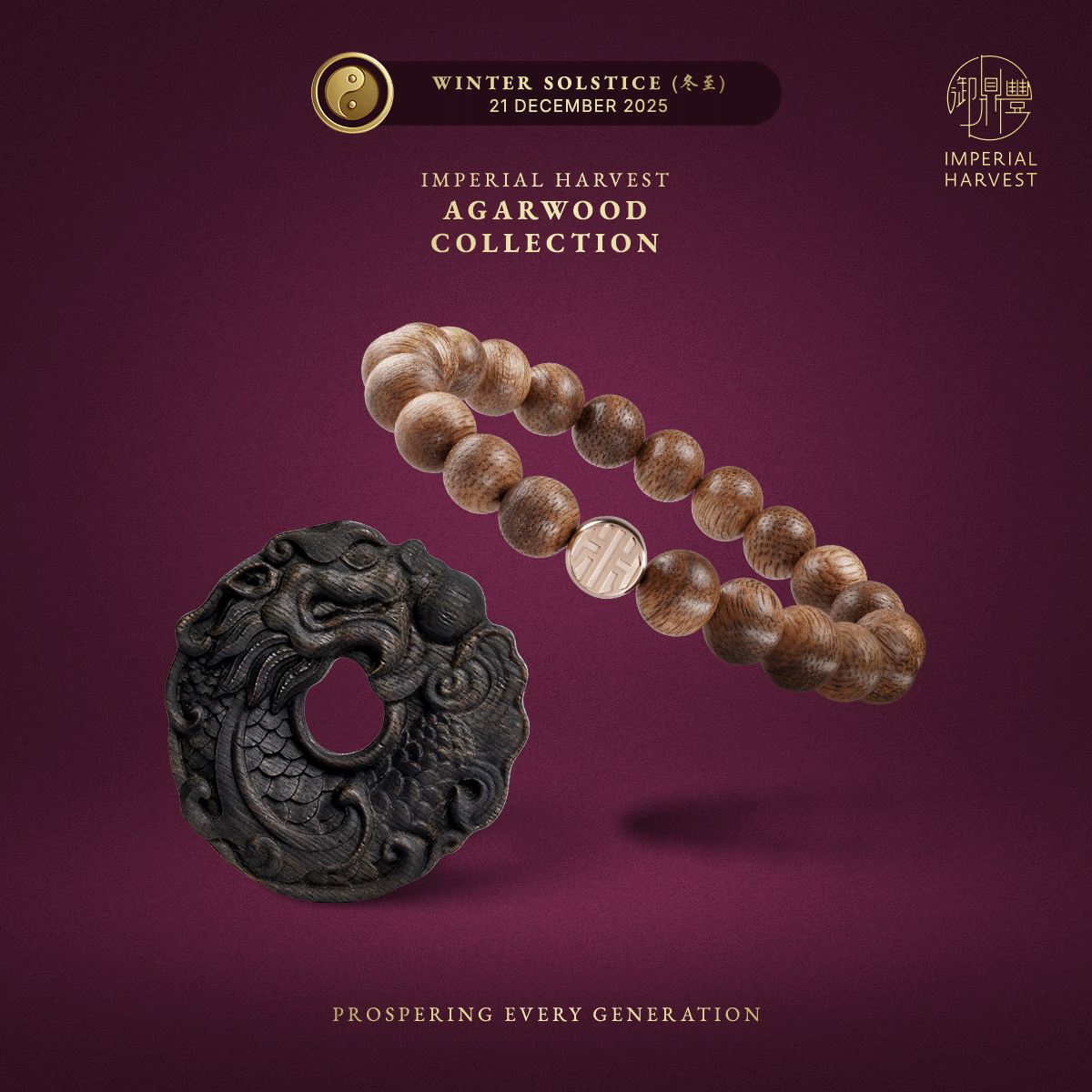
At Winter Solstice, the first spark of Yang is reborn. The Imperial Harvest Agarwood, consecrated to embody Major Yang (太阳), nurtures this rising energy within the individual.
Worn daily, it:
- Rekindles vitality, motivation, and decisiveness
- Strengthens direct wealth capacity and earning potential
- Enhances clarity and courageous action
- Supports strong personal momentum going into the new year
It is the perfect treasure to awaken the inner flame of Yang as the year’s cosmic cycle renews.
Imperial Harvest Sandalwood, Minor Yin Collection
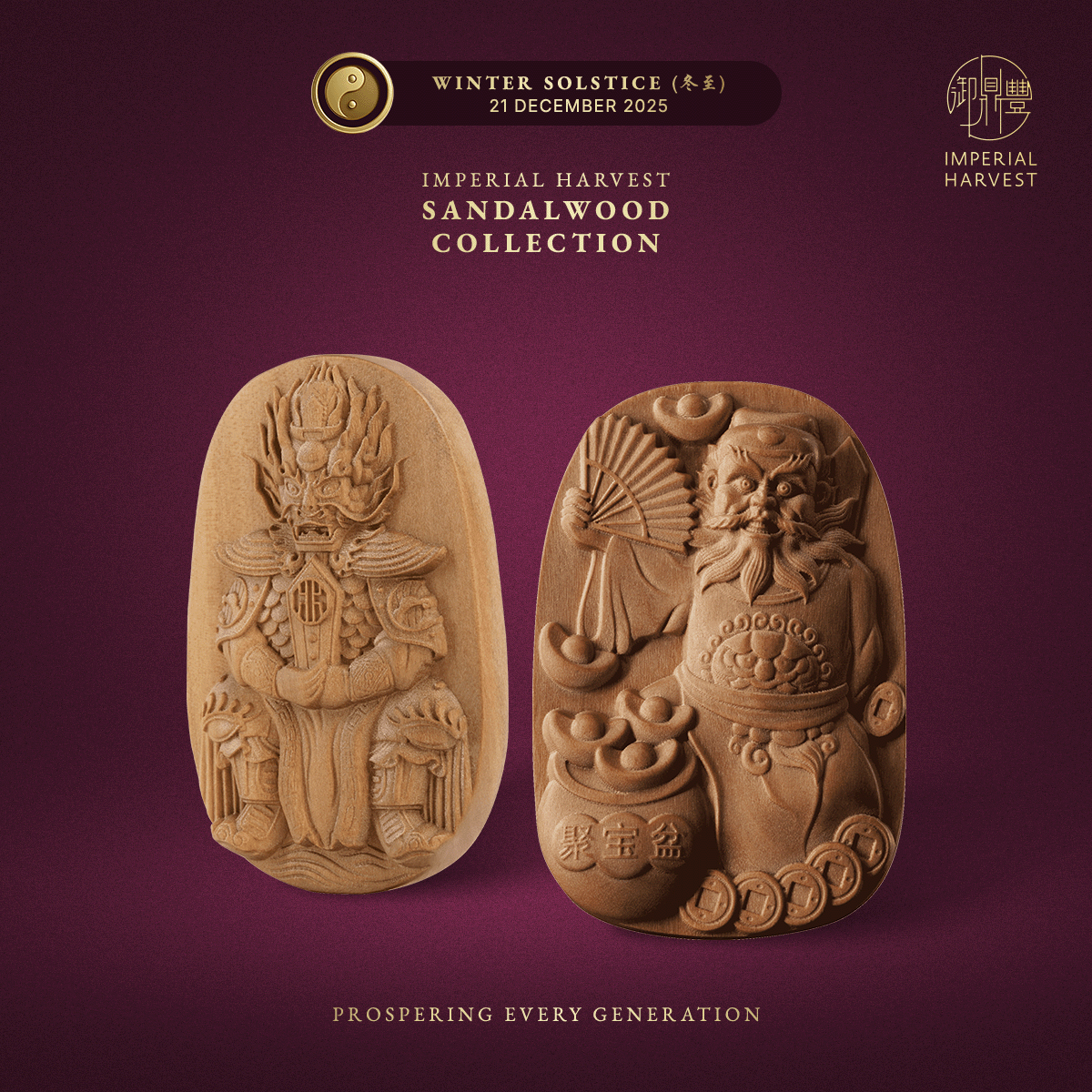
While Yang is reborn at Dongzhi, the Winter Solstice remains a deeply Yin moment. This is the season of stillness, introspection, and clarity, and the Imperial Harvest Sandalwood resonates harmoniously with these qualities.
It supports:
- Calmness and emotional grounding
- Greater wisdom and intuitive insight
- Clarity in decision-making
- Smooth completion of the year’s remaining challenges
A powerful companion for reflection, planning, and inner alignment during the Yin-to-Yang transition.
Imperial Harvest Red Phoenix Mountain, Rising Into the New Cycle
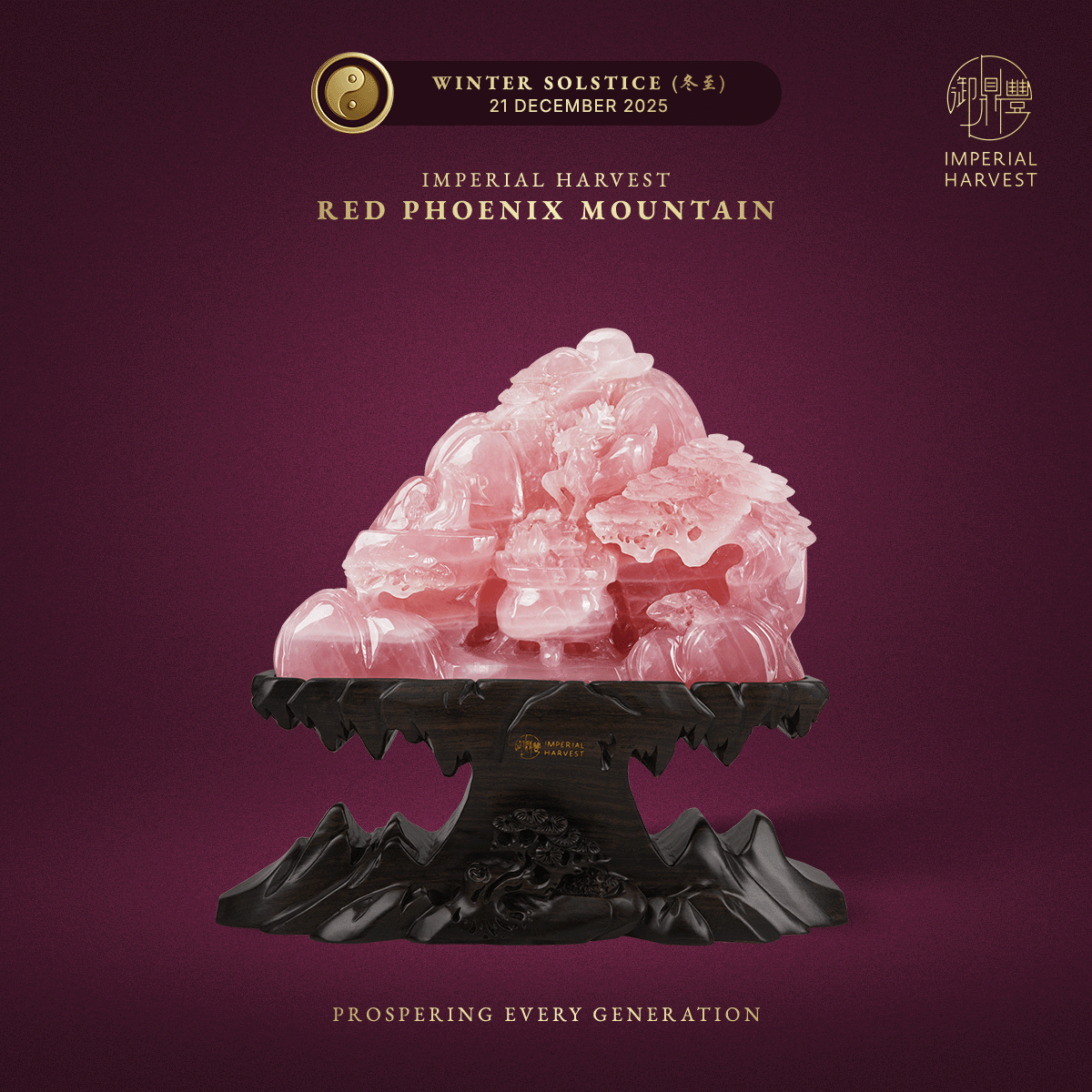
The Phoenix, in Chinese tradition, symbolises renewal, visibility, and upward ascent, qualities that mirror the rising Yang energy after Winter Solstice. The Imperial Harvest Red Phoenix Mountain activates these auspicious forces.
It:
- Attracts benefactors and supportive alliances
- Enhances charisma, recognition, and professional visibility
- Strengthens opportunity flow in the early months of the new year
- Aligns you with upward momentum as the Yang cycle grows stronger
Like the emperor praying for the coming harvest, the Red Phoenix Mountain prepares your environment for a year of rising abundance.
A New Cycle Begins
As the emperors once stood at the Temple of Heaven to give thanks for the year’s harvest and renew the Mandate of Heaven, the Winter Solstice remains a powerful moment for modern individuals to realign with the rhythms of abundance and renewal.
By embracing the stillness of the longest night and welcoming the first spark of Yang, you open the way for:
- A fresh cycle of opportunities
- Greater clarity and stability
- Stronger benefactor support
- Renewed vitality and direction
- A more prosperous and harmonious year ahead
This is the essence of the Winter Solstice Ritual, a sacred alignment of gratitude, intention, and renewal that prepares the foundation for the year to come.
In the next article, we unveil:
Grand Master David Goh’s Winter Solstice Rebirth Ritual
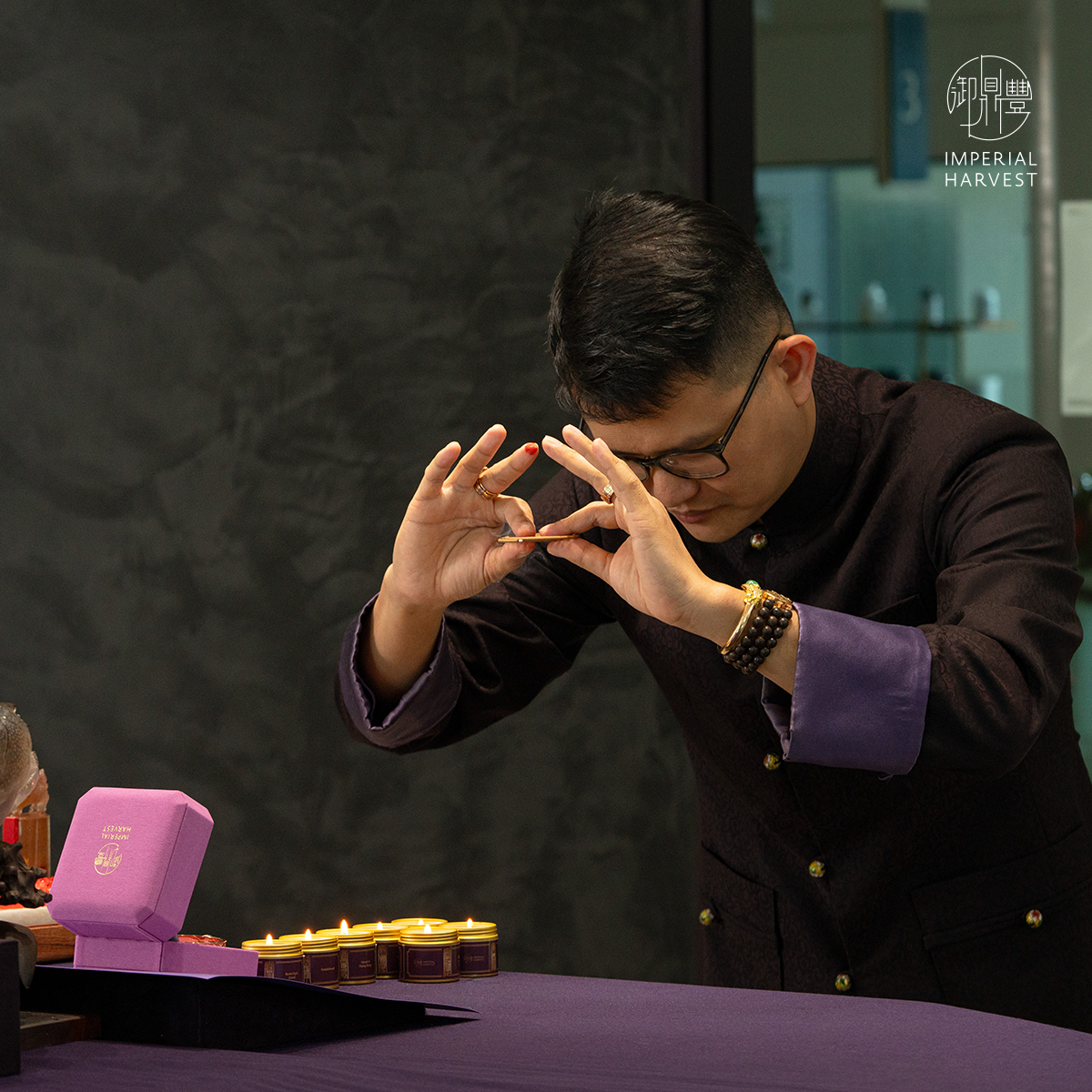
Featuring the Imperial Harvest Clear Quartz Double Dragon, a ceremonial masterpiece that embodies the rebirth of Yang and anchors Heaven’s blessing for the new cycle.

This modern ritual continues the imperial legacy of renewal, transforming the Winter Solstice into a powerful turning point for your career, wealth, and destiny.
Imperial Harvest’s expert consultants are always on hand to guide you on your journey and provide you with insights to help you realise your fullest potential. Book a complimentary consultation today or contact us at +65 91221826.
We are located at
For prospective clients: Imperial Harvest402 Orchard Road
Delfi Orchard #02-07/08
Singapore 238876 For existing clients: Imperial Harvest Prestige
402 Orchard Road
Delfi Orchard #03-24/25
Singapore 238876
Most Read Articles
Get to read our life changing articles and get inspired.
A Comprehensive Guide to the History of Bazi (八字)
Estimated Reading Time: 5 mins Bazi (八字) is often mistakenly assumed as the Chinese counterpart of western Astrology. The similarities between both systems lie in their utilisation of birth dates and time in their calculations, and the ability to be read from a tabulated chart. Where Astrology may take into account the positions of different […]
Beginner’s Guide to Bazi Reading
Estimated Reading Time: 5 mins Bazi (八字), or the Four Pillars of Destiny, is a multidisciplinary study in Imperial Feng Shui. It encompasses a well-developed set of metaphysical principles based on planetary influences, the duality of Yin and Yang, and the Five Elements. What is a Bazi Reading? Bazi is an intricate discipline within Imperial […]
Chinese New Year 2026: Auspicious Dates and Calendar
Imperial Feng Shui Date Selection by Grand Master David Goh In Chinese metaphysics, success is not determined by effort alone — timing is equally decisive. 2026 marks the Year of the Crimson Horse, a year characterised by strong Fire energy, speed, visibility, and decisive movement. It is a year that rewards bold action and leadership, […]