Estimated Reading Time: 6 minutes
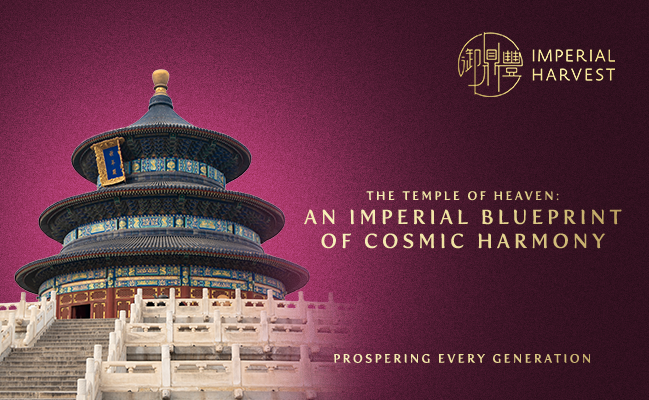
The Temple of Heaven (天坛) is not merely a relic of China’s imperial past — it is one of the world’s most profound architectural expressions of Heaven-Earth unity, metaphysical cosmology, and sovereign responsibility. Constructed in 1420 during the Yongle reign of the Ming Dynasty, the same emperor who built the Forbidden City, the Temple of Heaven functioned as the principal ceremonial ground for emperors of both the Ming and Qing dynasties — sovereigns who bore the celestial mandate to govern with virtue and spiritual alignment.
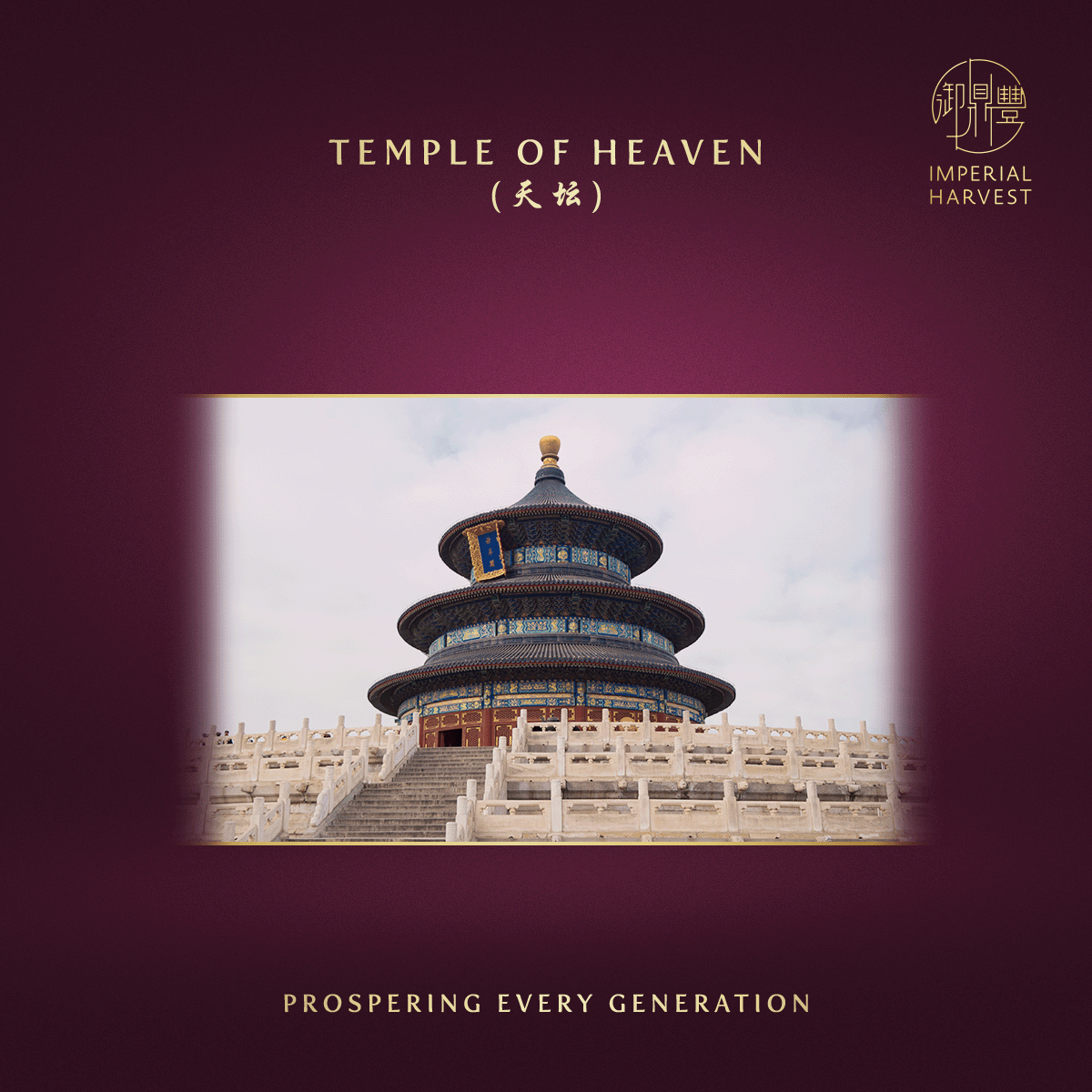
Encompassing nearly 2.73 square kilometres, the temple complex was — and still is — an architectural mandala of perfect proportions, directional alignment, elemental symbolism, and sacred geometry. It served as the spiritual heart of the nation, where the emperor, known as the Son of Heaven (天子), would personally conduct annual rituals to secure Heaven’s favour, maintain cosmic balance, and usher in abundant harvests, peace, and national prosperity.
An Emperor’s Solemn Duty: The Sacred Rites of Tian Tan (天坛)
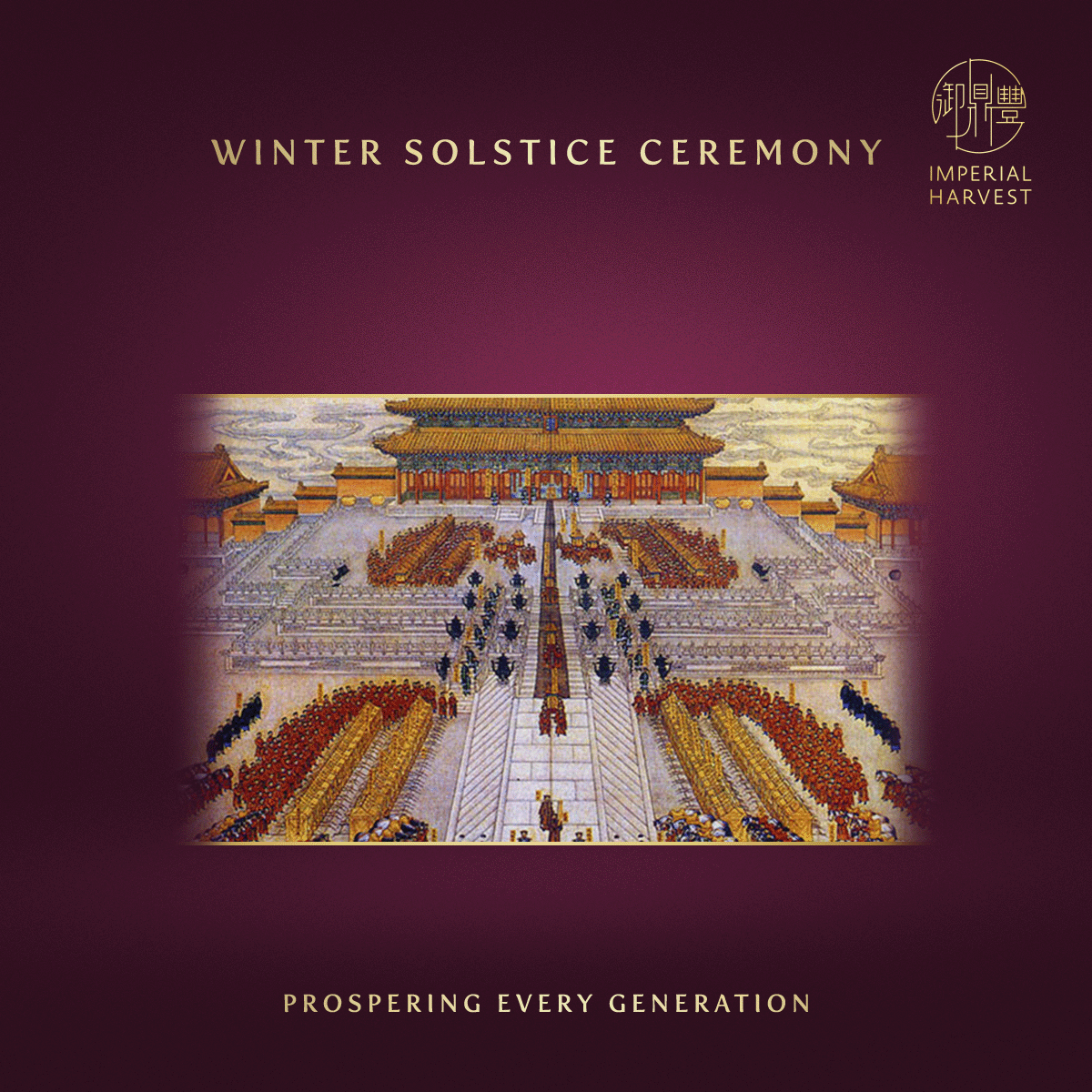
The emperor’s role in these ceremonies was not ornamental. It was one of immense metaphysical responsibility. Ancient Chinese belief held that the balance between Heaven, Earth, and Humanity determined the fate of the empire. If calamities, droughts, or plagues occurred, it was viewed as a sign that the emperor had lost divine favour. Hence, the annual pilgrimage to the Temple of Heaven — particularly the Winter Solstice Ceremony — was a grave spiritual undertaking.
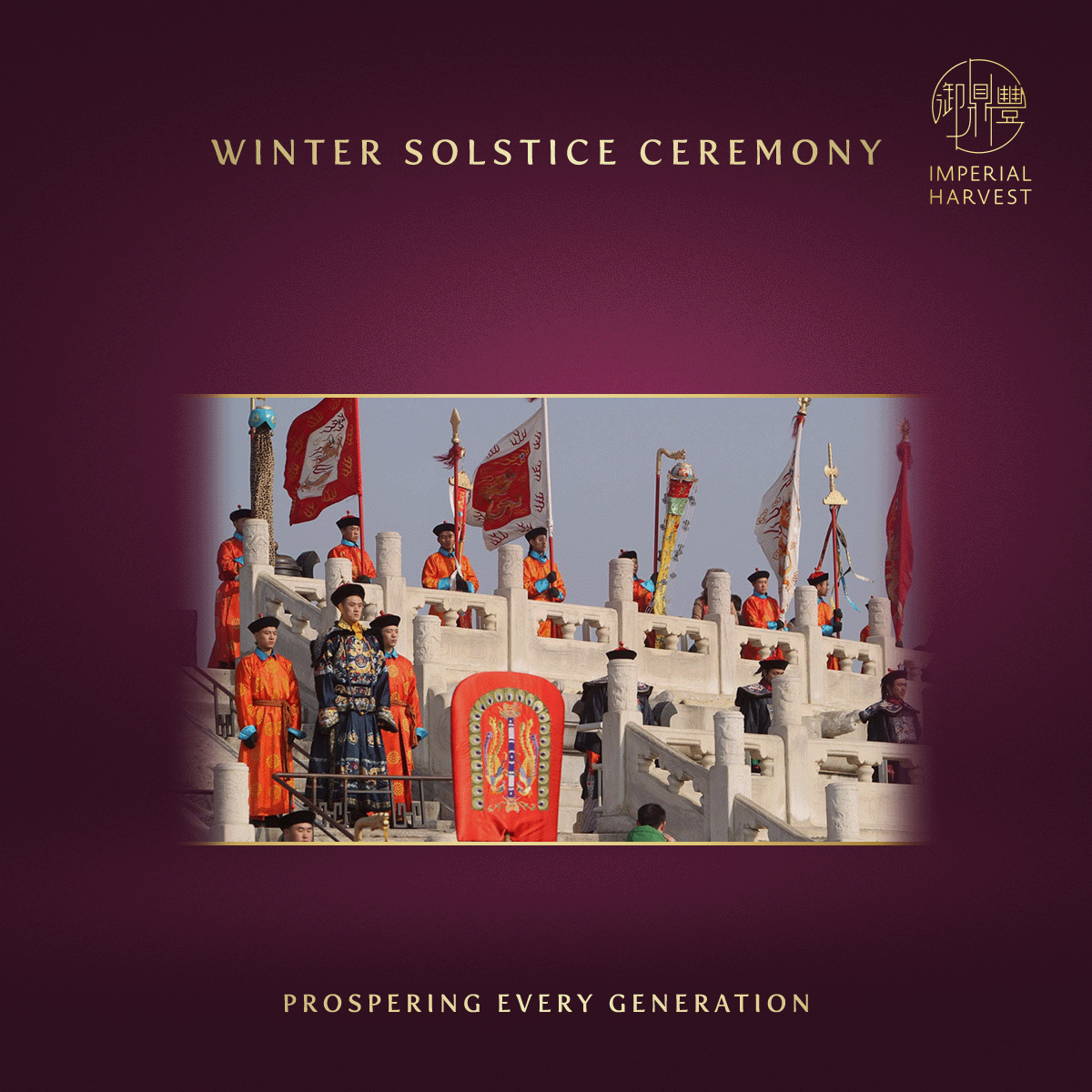
The emperor would fast for days in solitude, purifying his mind and body before performing an elaborate series of rituals at the Circular Mound Altar (圜丘坛) and the Hall of Prayer for Good Harvests (祈年殿). He would offer jade tablets, silk scrolls, and burnt offerings, beseeching Heaven for agricultural abundance and social harmony.
It was here — beneath the open sky, under Heaven’s direct gaze — that the spiritual foundation of the empire was renewed.
The Hall of Prayer for Good Harvests (祈年殿): An Architectural Invocation
The Hall of Prayer for Good Harvests is the most iconic and spiritually charged structure within the Temple of Heaven complex. Rising in grandeur on a triple-tiered marble base, the hall is a feat of wooden construction — built entirely without nails or metal fasteners, relying solely on interlocking dougong brackets and symmetry to maintain structural integrity.
Its three concentric roof tiers symbolise Heaven, Earth, and Man, forming the metaphysical trinity central to Imperial Feng Shui. The interiors are equally symbolic:
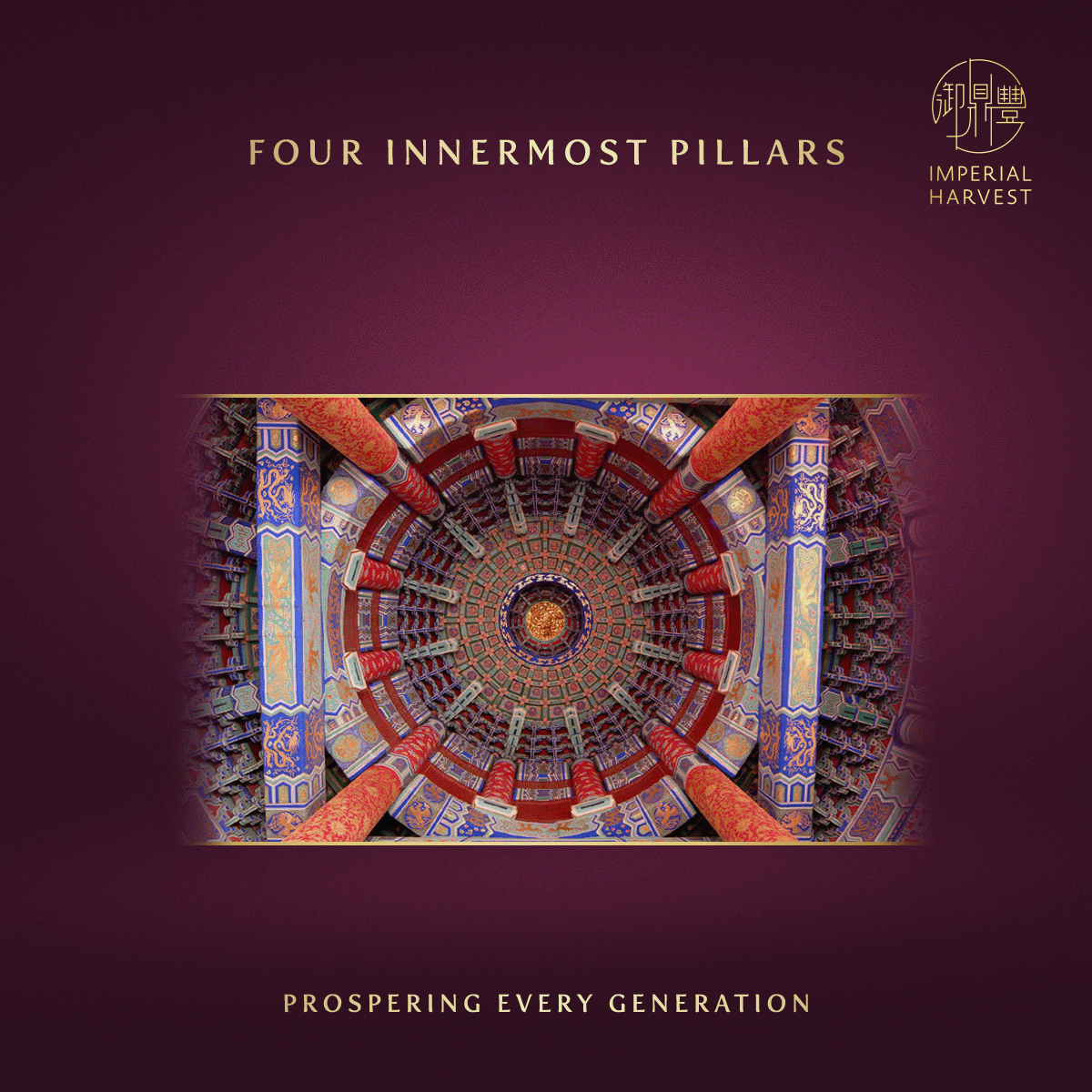
- Four innermost pillars represent the four seasons
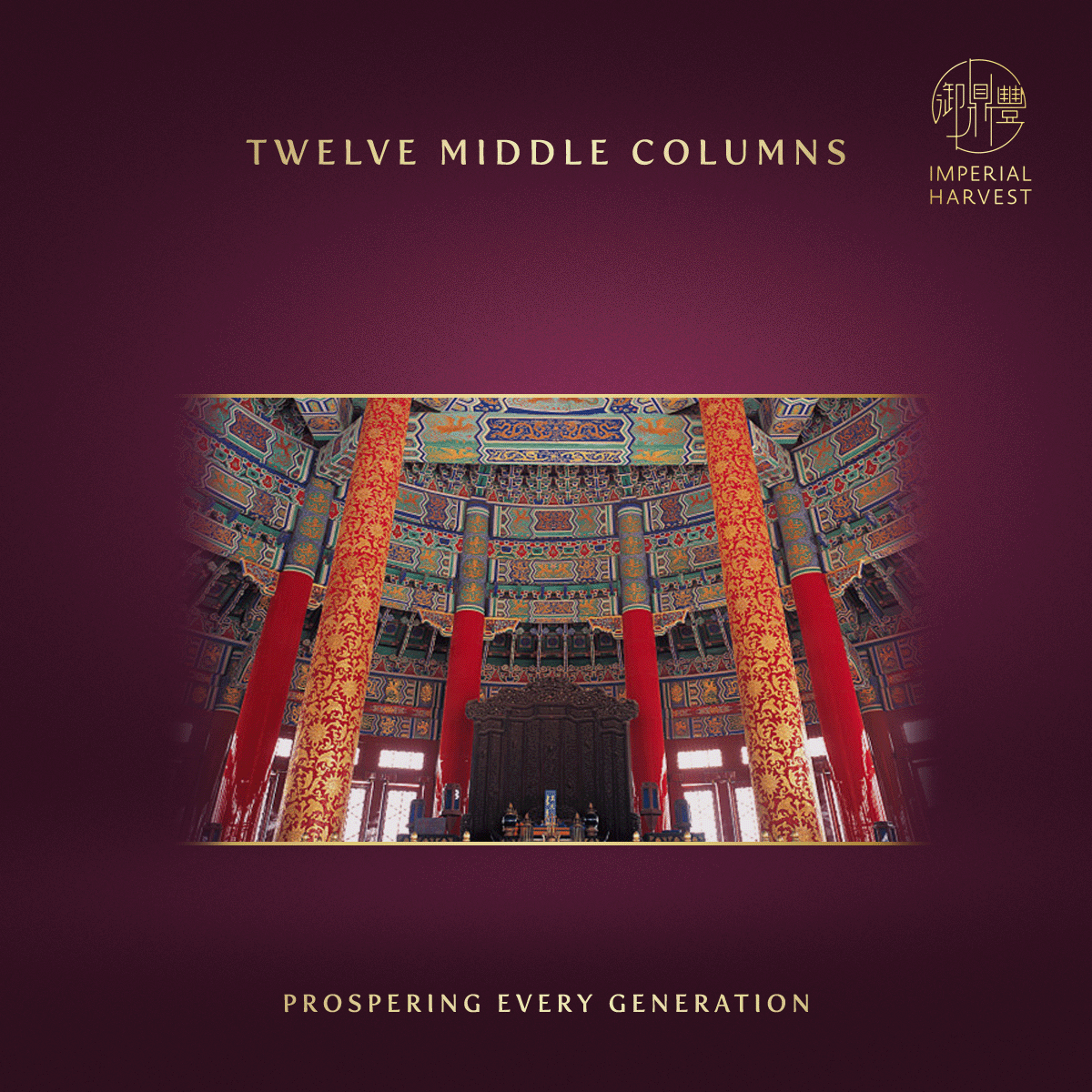
- Twelve middle columns correspond to the twelve months
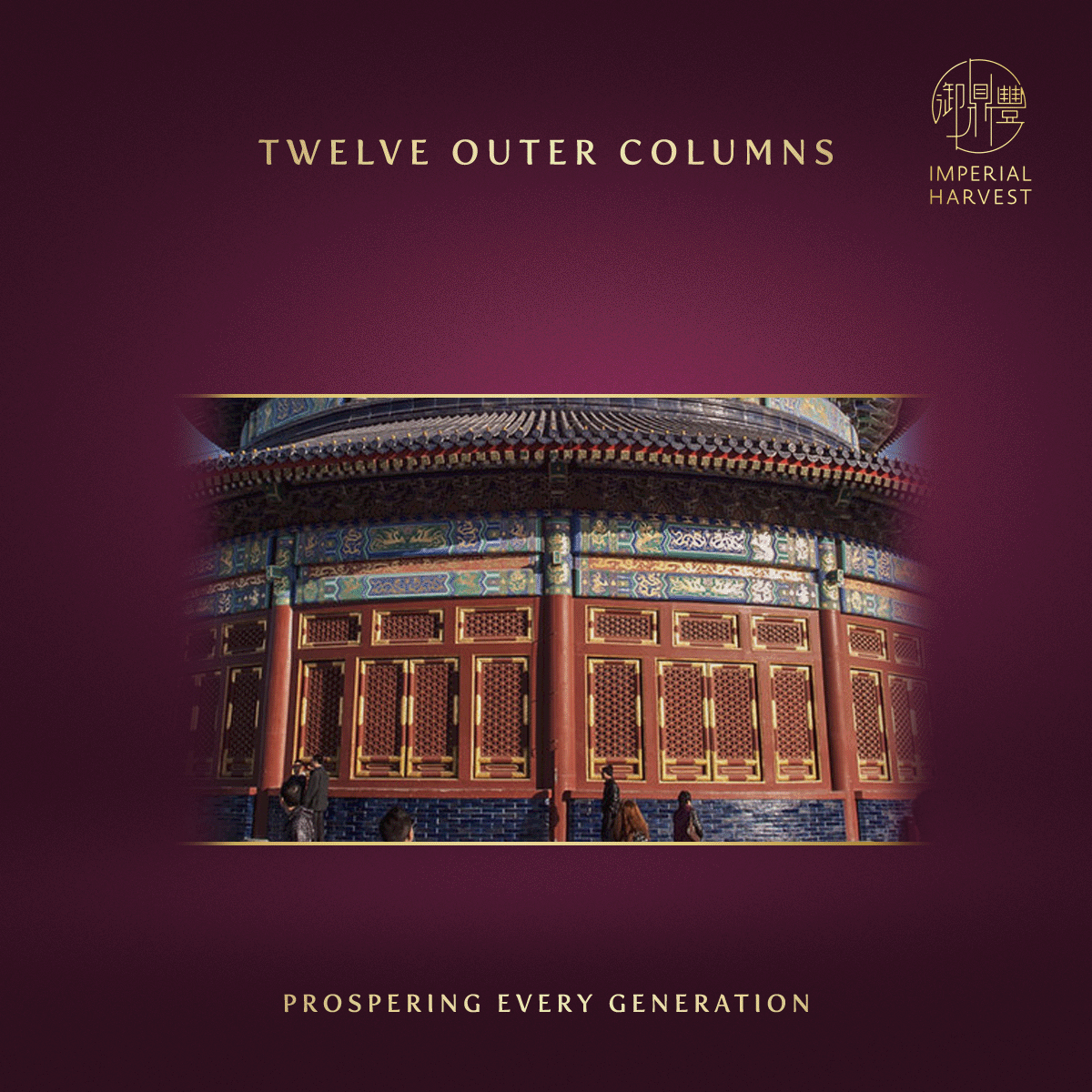
- Twelve outer columns reflect the twelve traditional Chinese hours — all converging under a celestial canopy painted in royal blue and gold.
This is not simply architecture — it is an energetic diagram of the universe, designed to amplify spiritual resonance.
“Round Heaven, Square Earth” (天圆地方): A Sacred Design Principle
The very layout of the Temple of Heaven adheres to the ancient cosmological belief in “Round Heaven and Square Earth” (天圆地方).
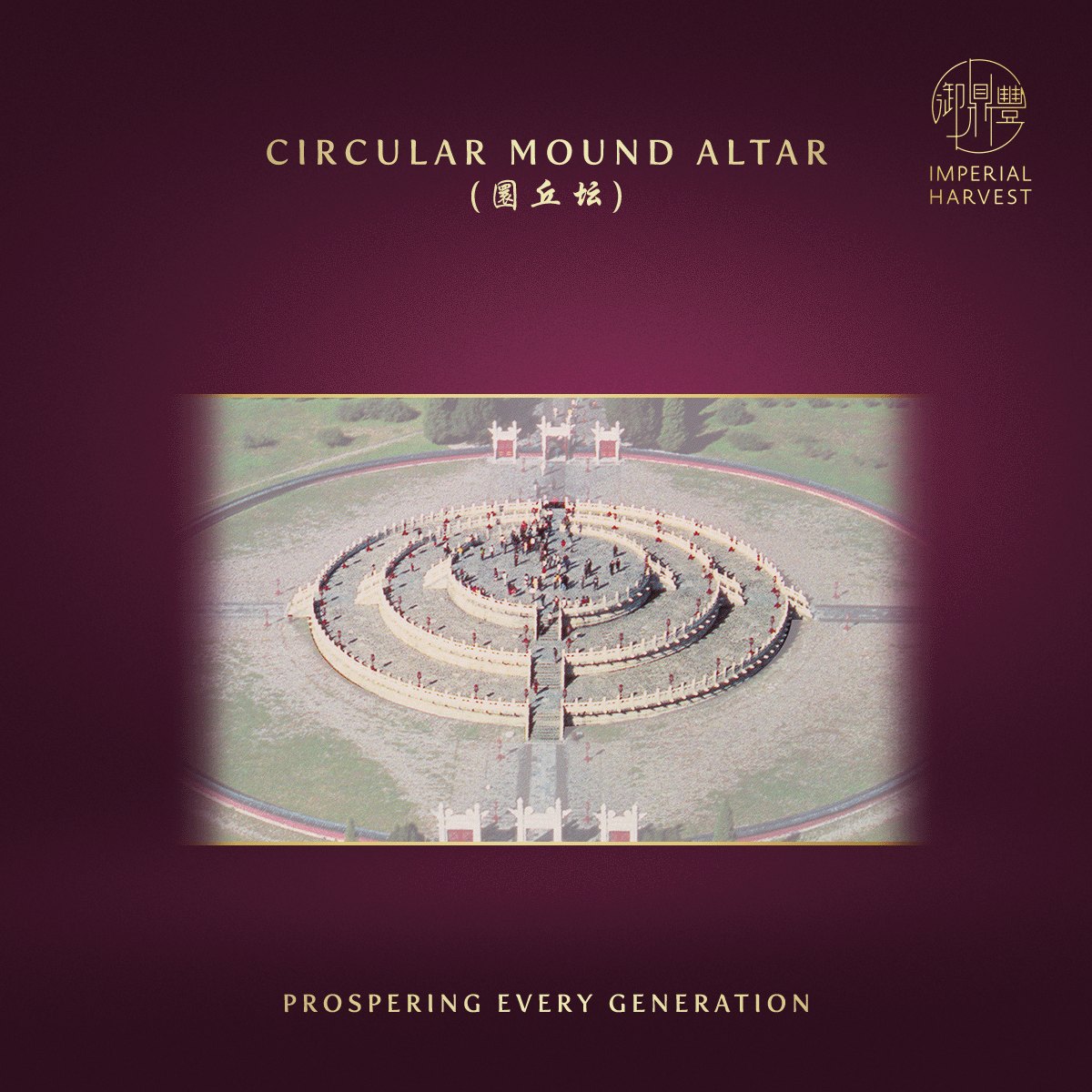
- The Circular Mound Altar represents the heavens, where the emperor stood at the very centre — a platform engineered with nine concentric rings of stone, each ring increasing in multiples of nine, the most yang number.
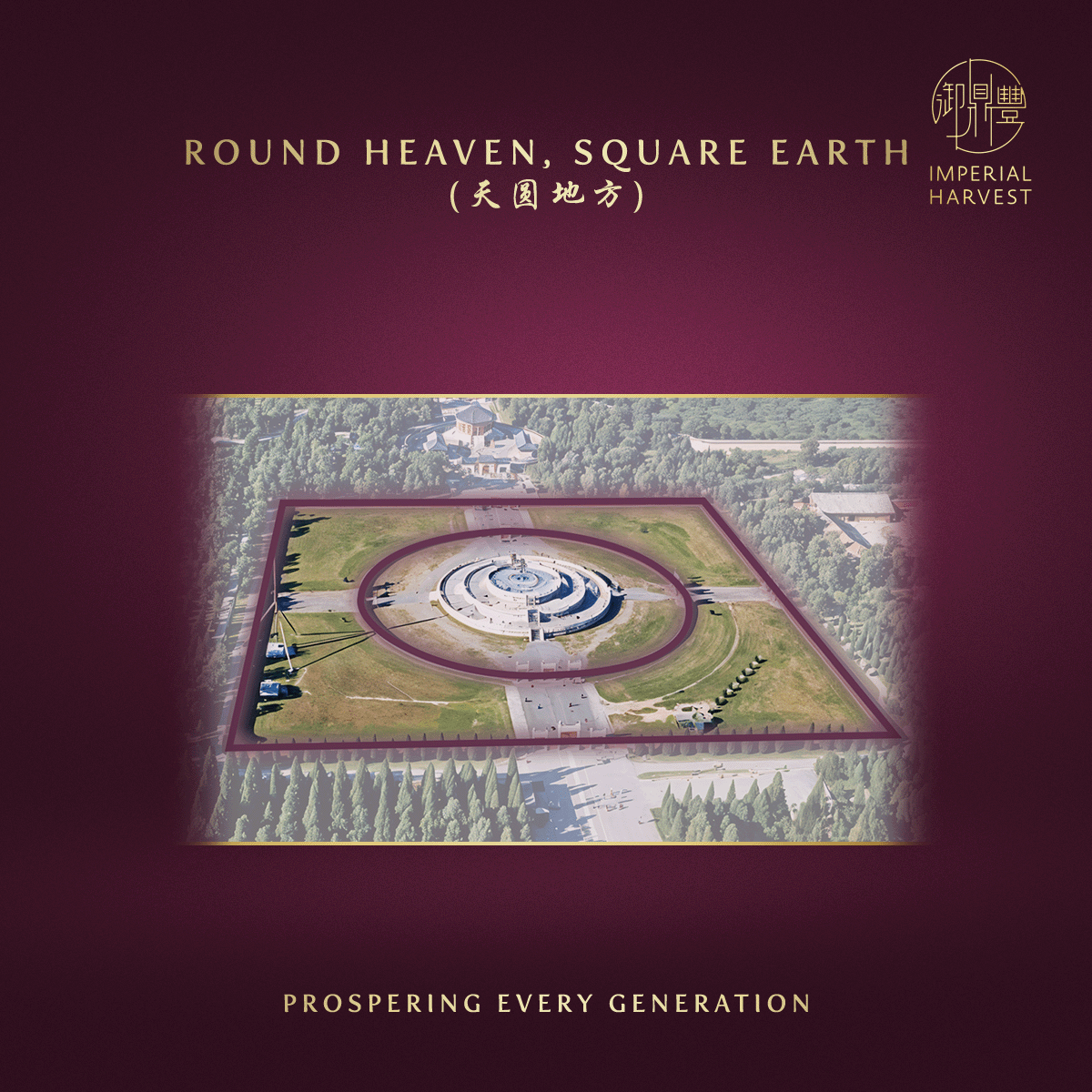
- The Square Altar and outer courtyards represent Earth — grounded, stable, and receptive.
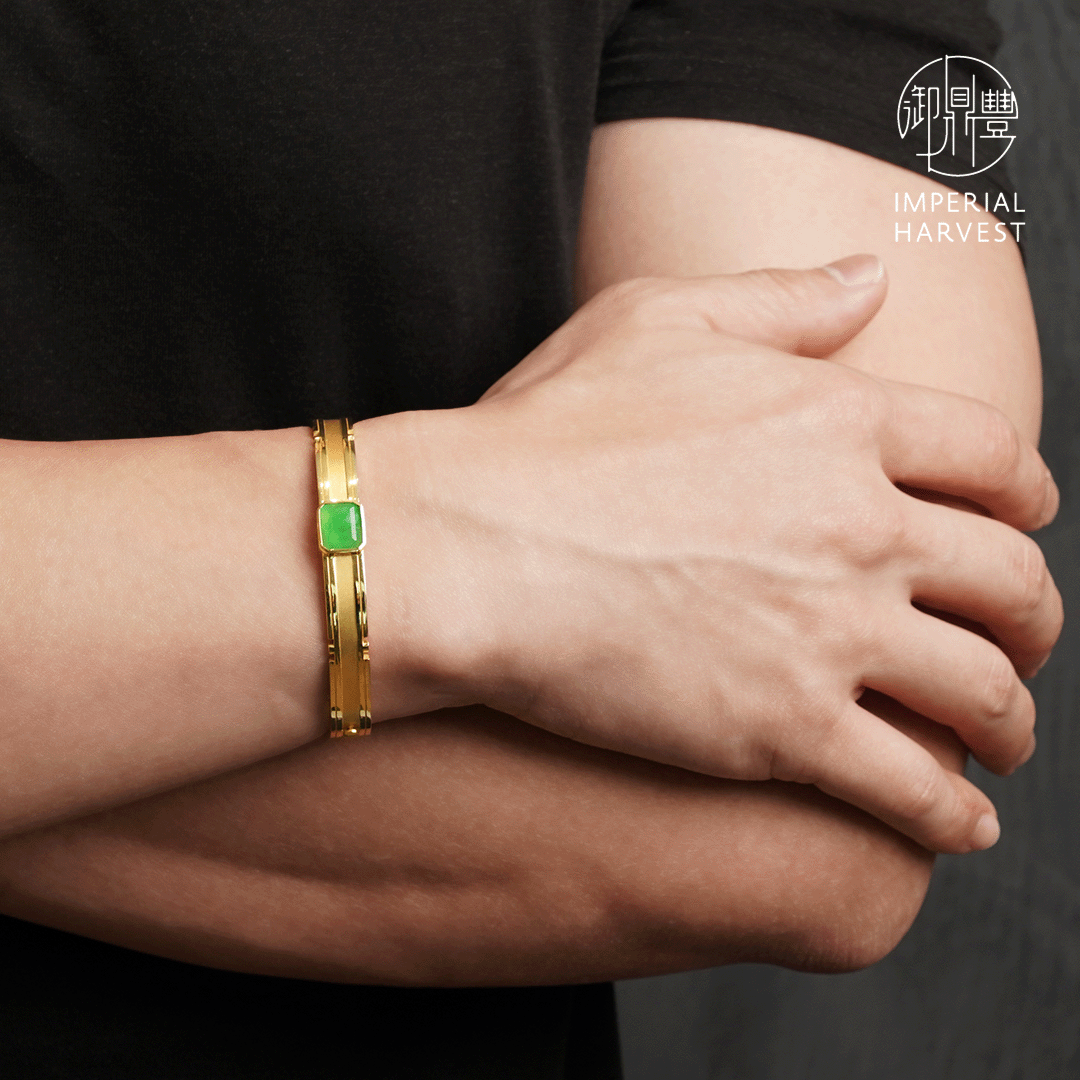
This principle of “round within square” is the same metaphysical logic that inspires the Bliss of Harvest Bangle design — where the circular cabochon, set within structured golden forms, mirrors the cosmic unity of Heaven and Earth.
Energetic Precision: Imperial Feng Shui and Celestial Alignment
Beyond its architectural splendour, the Temple of Heaven is a masterclass in Imperial Feng Shui. Every orientation, elevation, and spatial alignment was chosen to harness auspicious Qi. Key design strategies include:
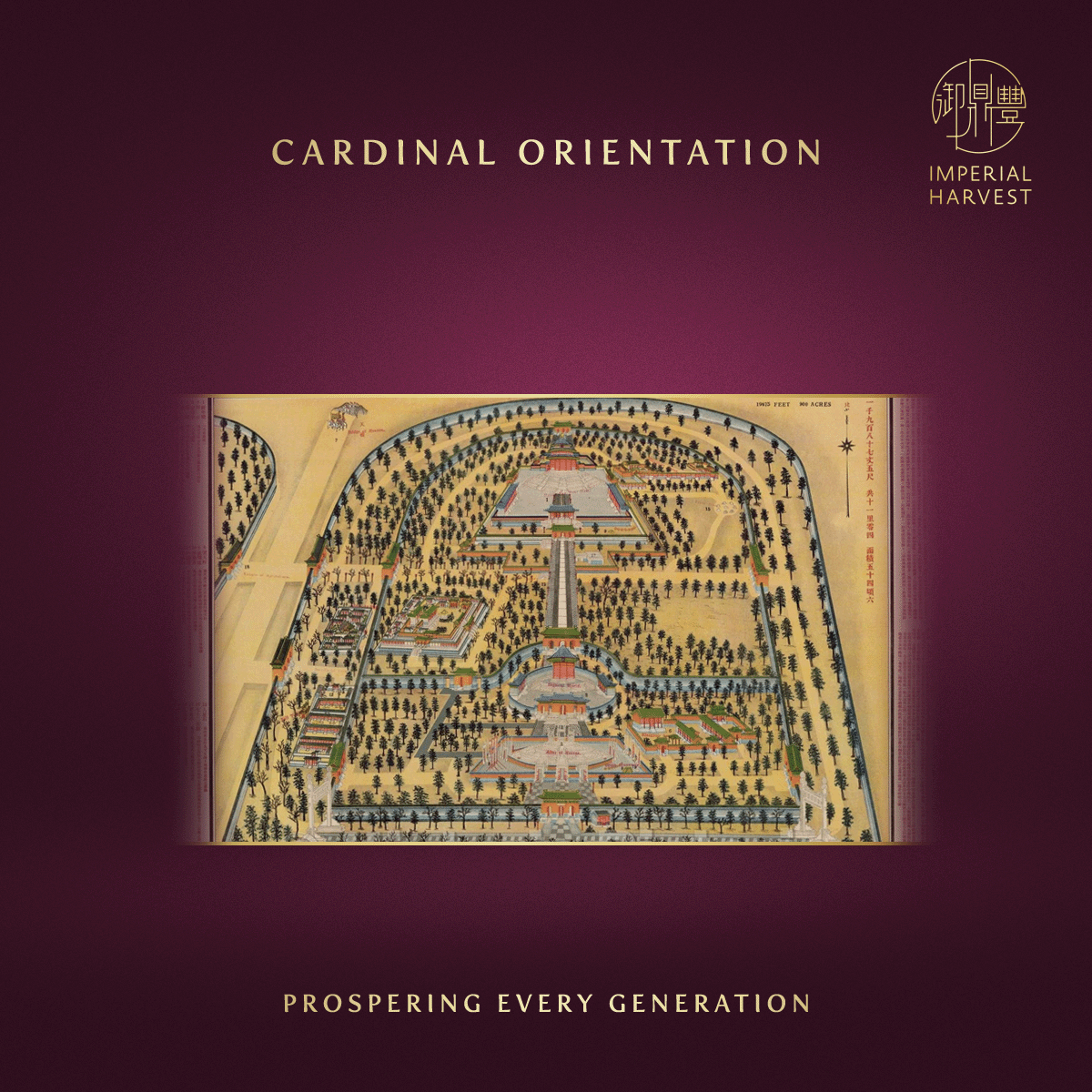
- Cardinal orientation (true north-south axis) to ensure cosmic alignment
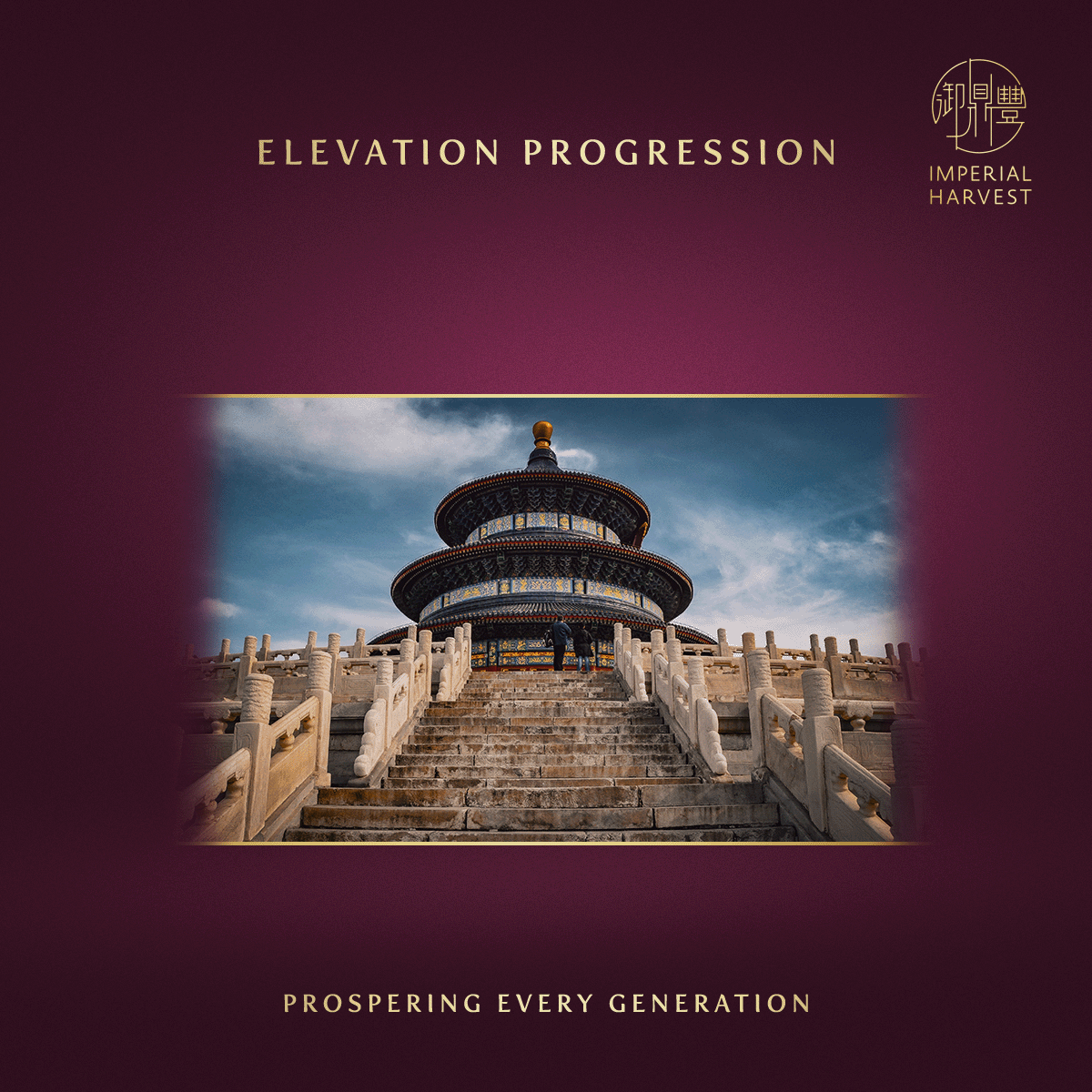
- Elevation progression — moving from lower, square structures to higher, circular temples
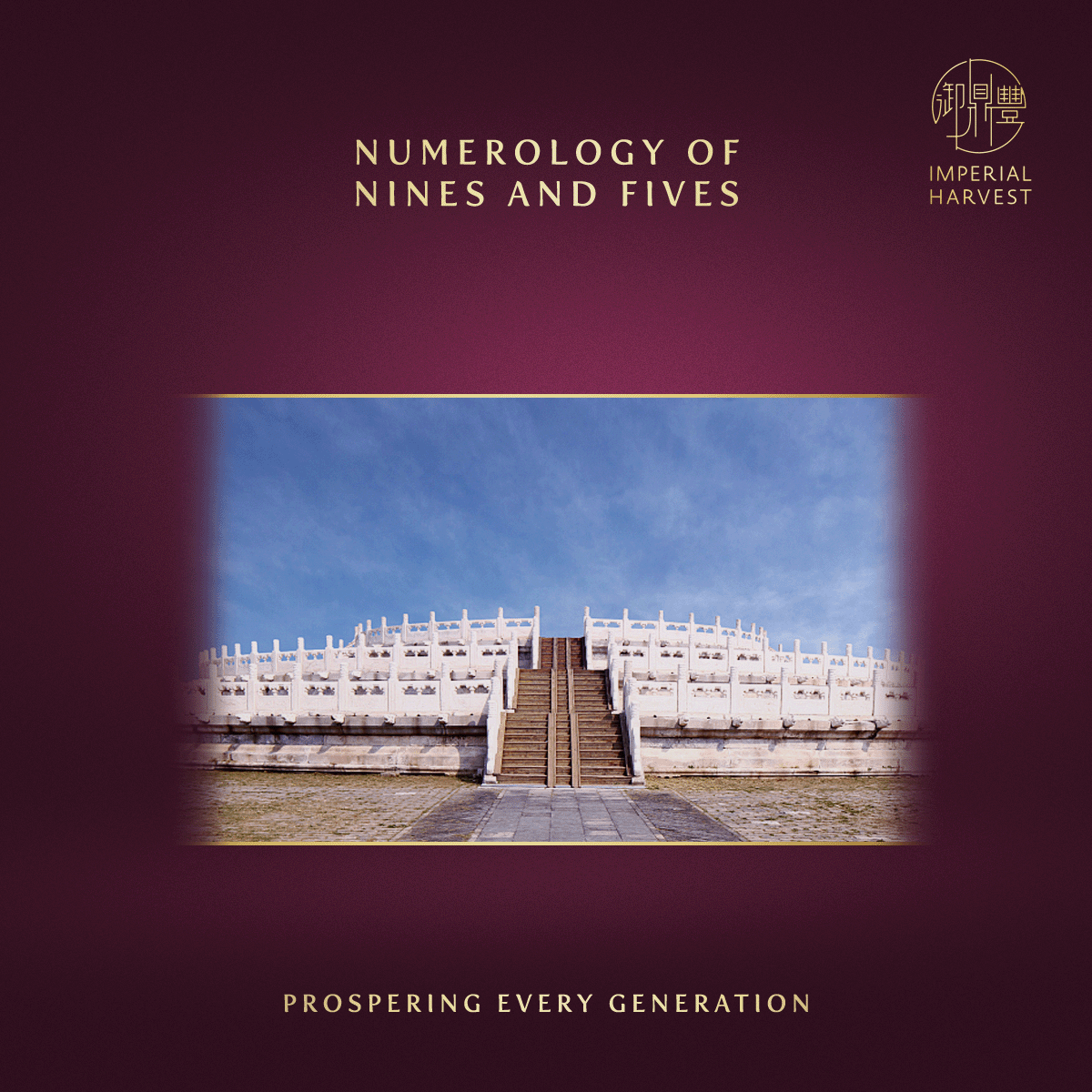
- Numerology of Nines and Fives, representing yang energy and imperial authority
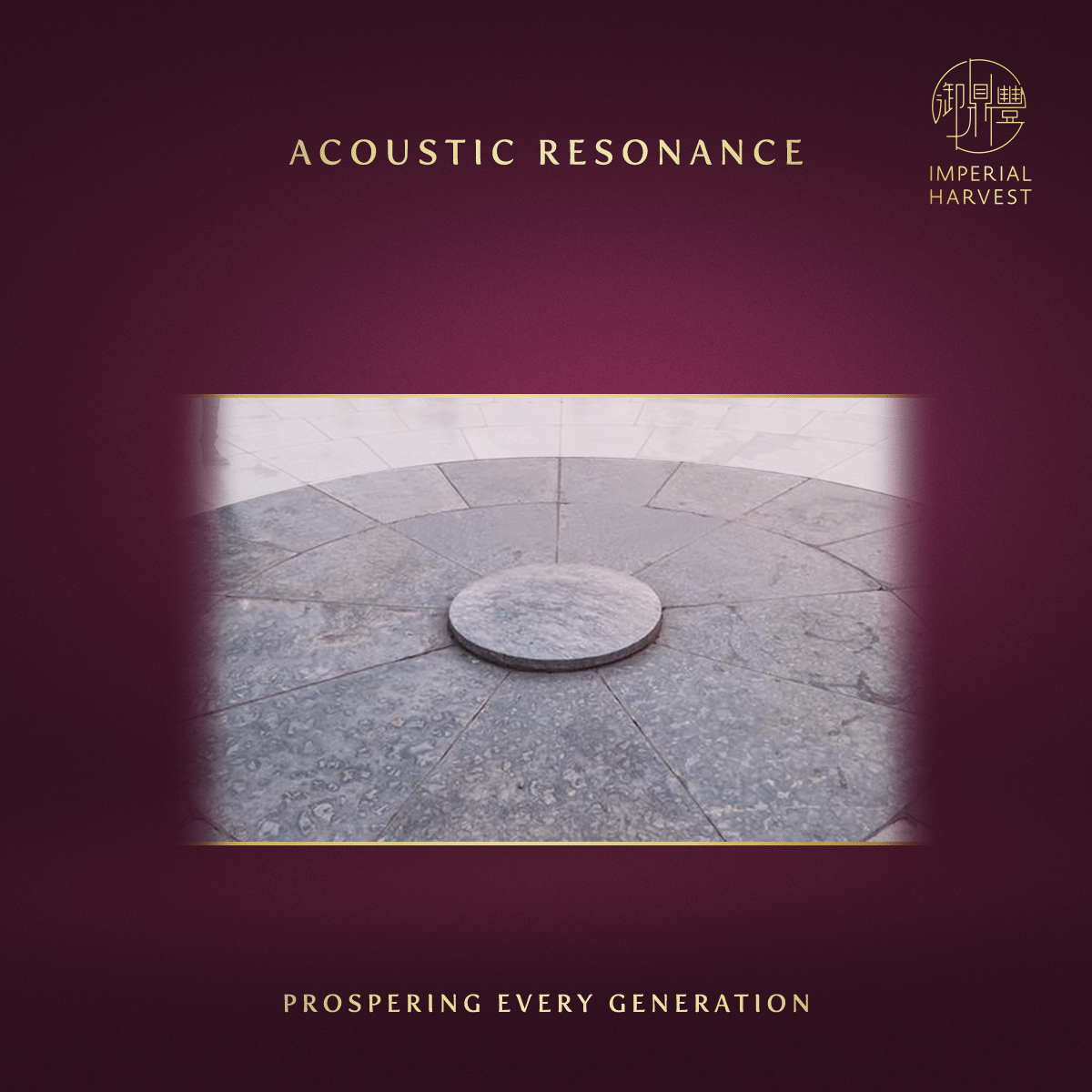
- Acoustic resonance: at the Circular Mound Altar, even a whisper at the centre echoes outward with perfect clarity — symbolising the emperor’s voice being heard by Heaven
These metaphysical technologies were not aesthetic decisions — they were ritual tools, designed to channel celestial energy into human affairs.
Legacy Through Design: From Imperial Altars to Jadeite Masterpieces
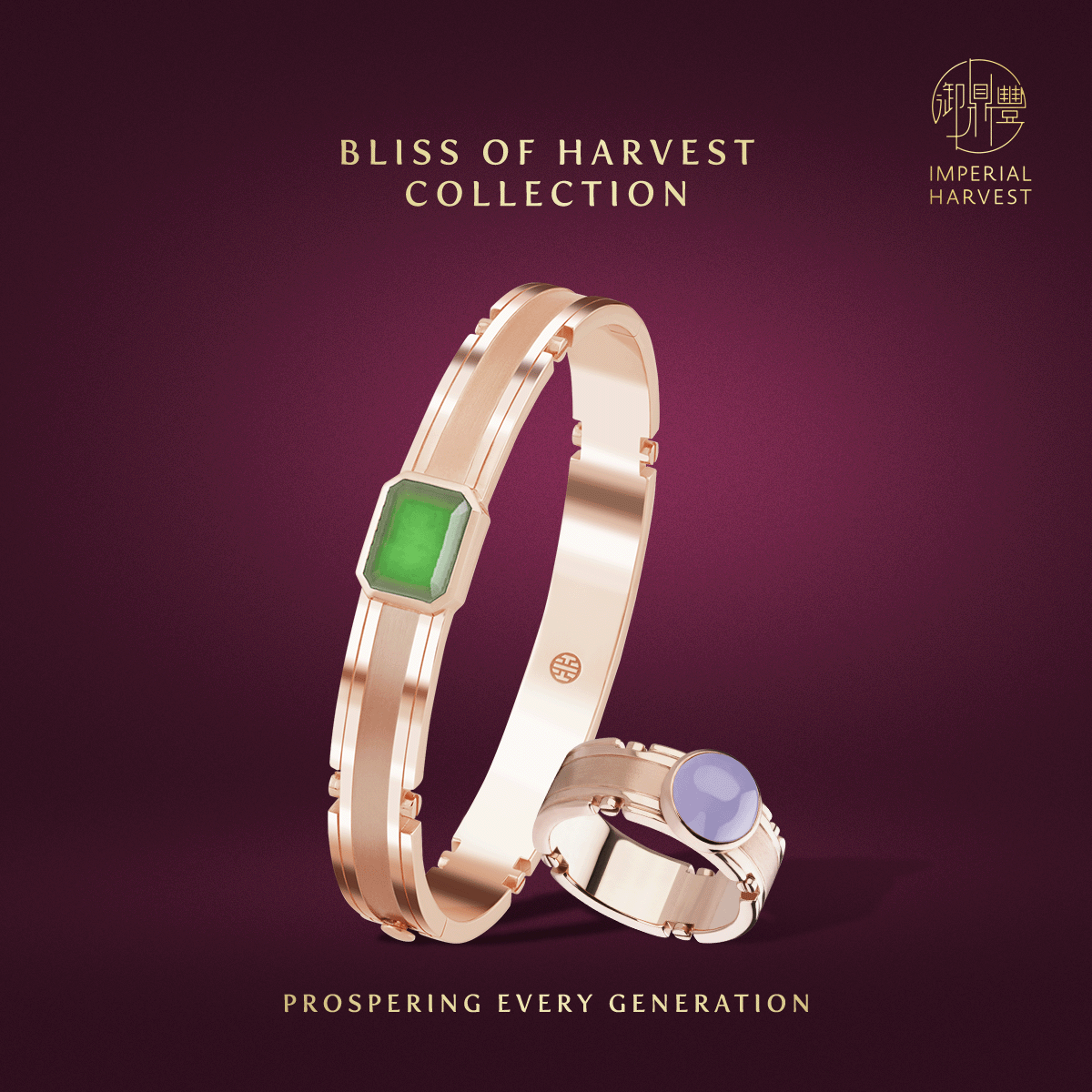
At Imperial Harvest, the Bliss of Harvest Collection is a spiritual and design homage to the Temple of Heaven. Every ring and bangle reflects the hall’s architectural intelligence, spiritual purpose, and divine symmetry:
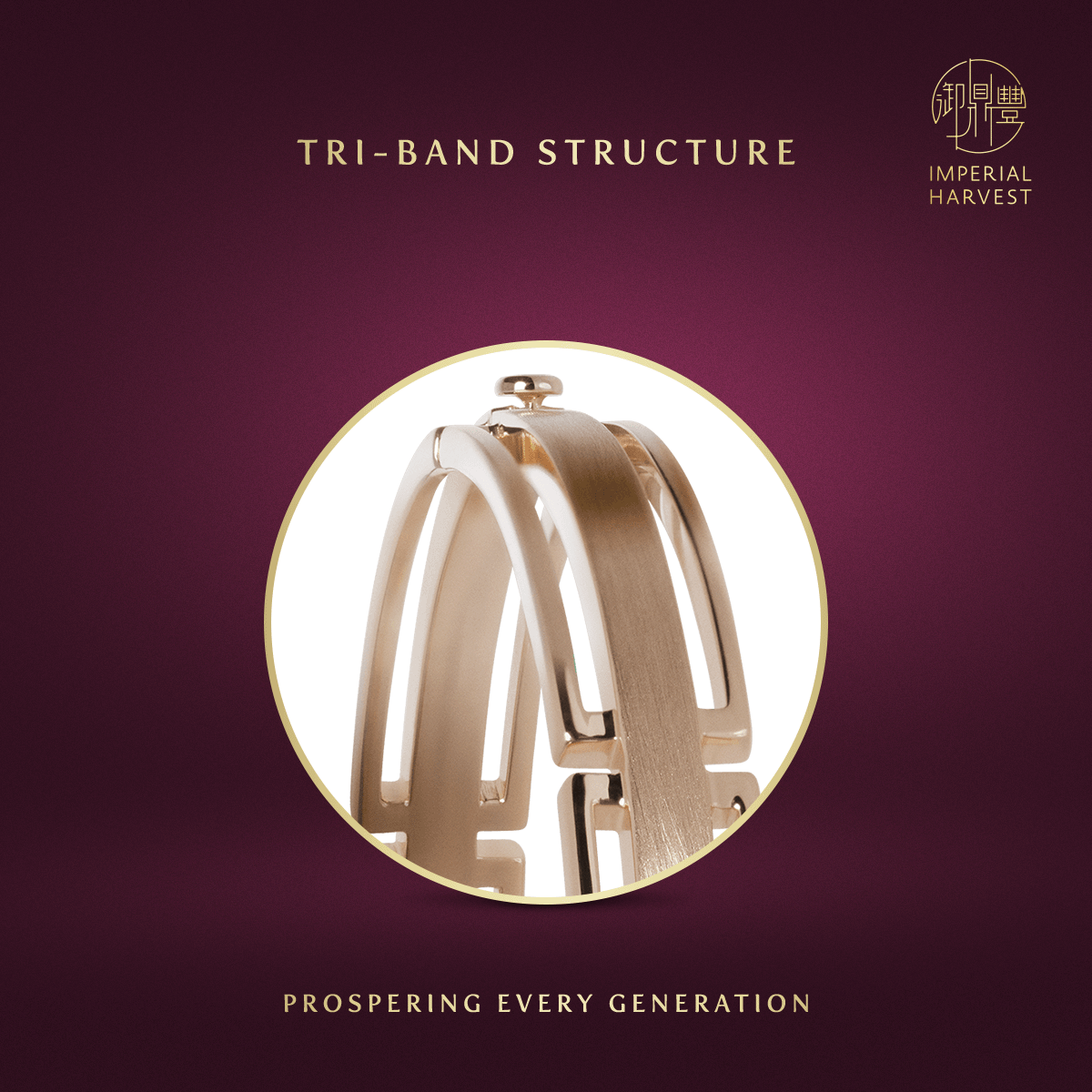
- The tri-band structure mirrors the three-tiered roof of the Hall of Prayer
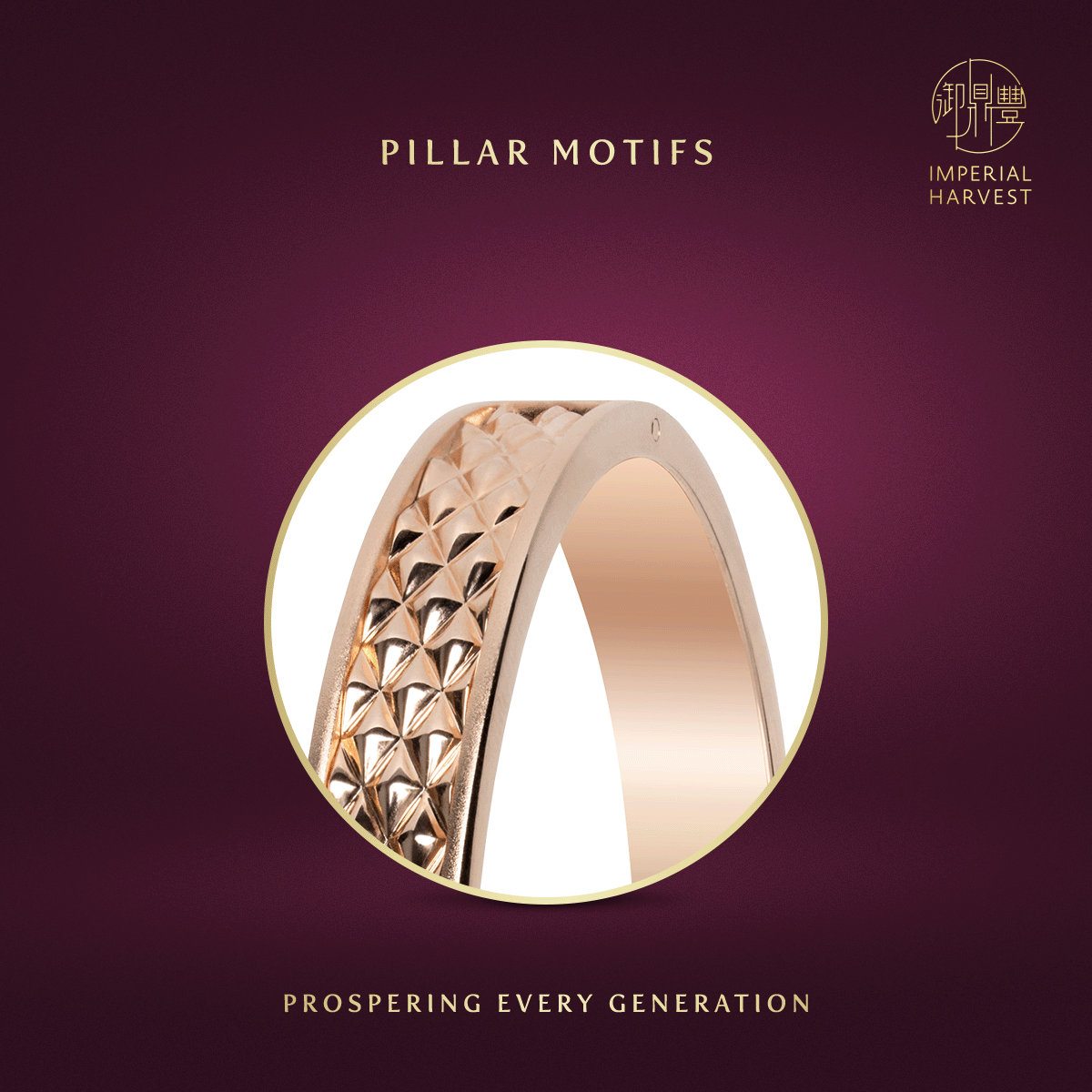
- The pillar motifs allude to the temple’s internal seasonal columns
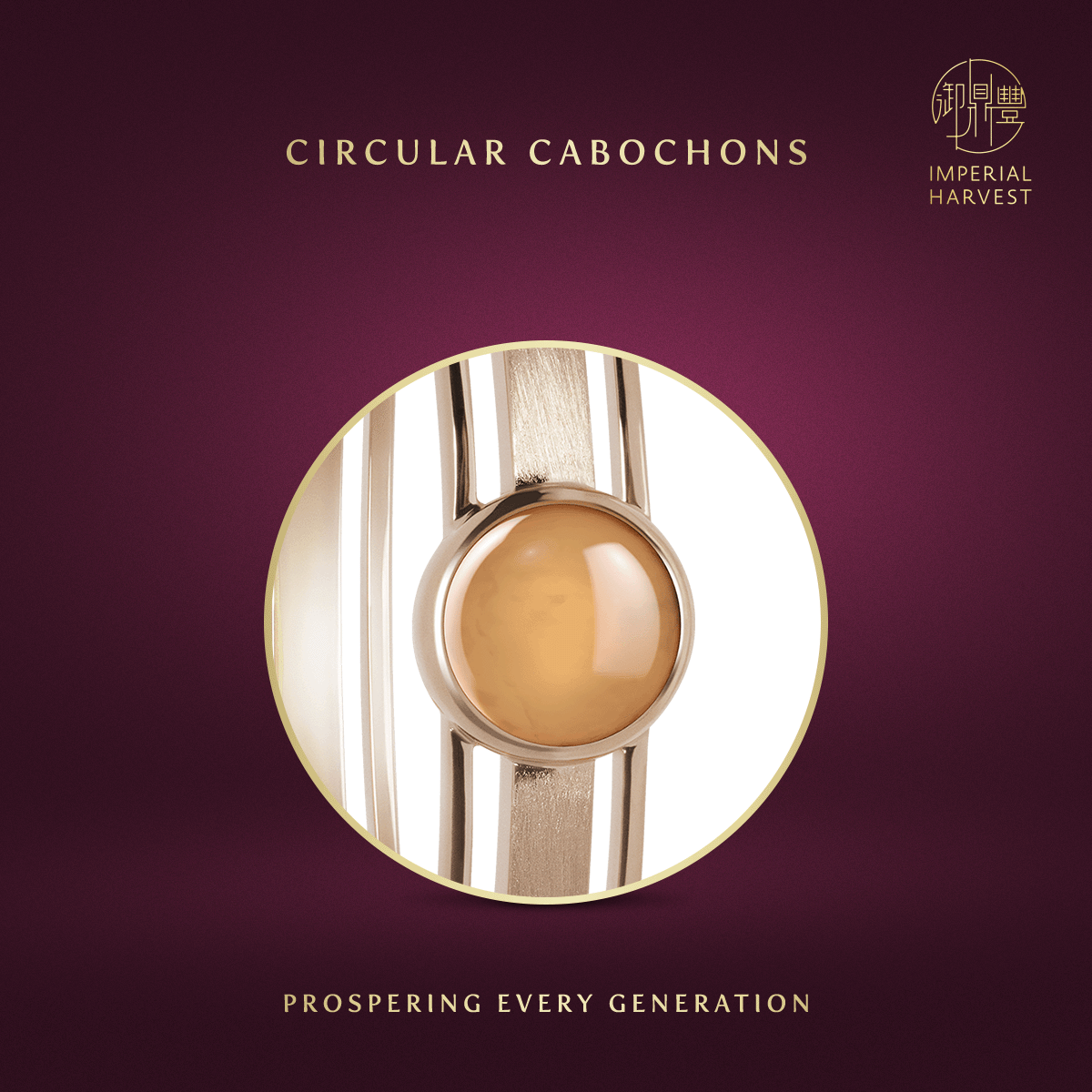
- The circular cabochons, hand-carved from the heart of jadeite boulders, embody the central axis of Heaven’s favour
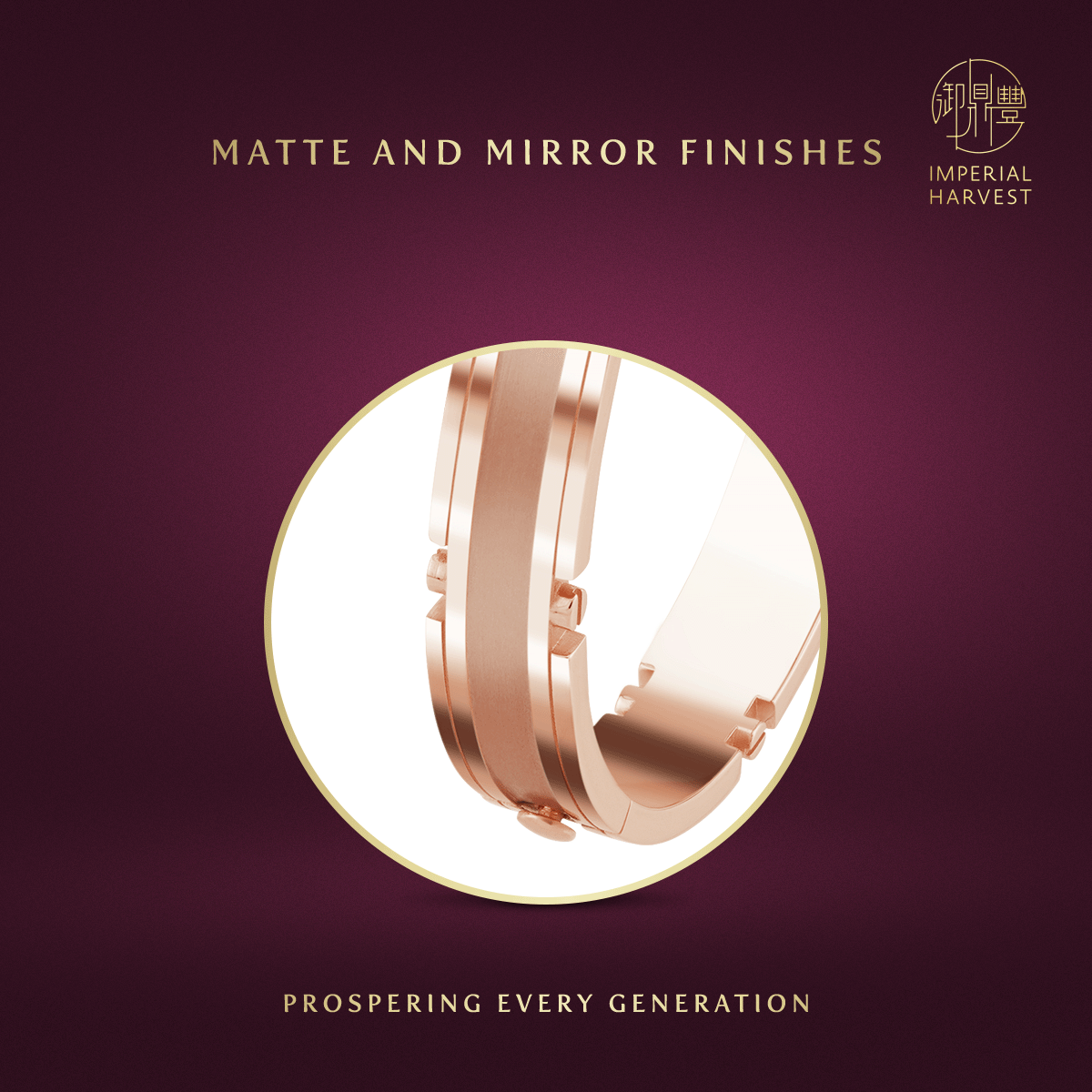
- Even the use of contrast — matte and mirror finishes — reflects the principle of yin and yang, echoing the harmony found in Heaven’s temple
Each piece is a spiritual vessel, consecrated not only through design but through personalised rituals, Bazi alignment, and Seven Star talismanic empowerment — allowing the modern wearer to walk with the same cosmic support once bestowed upon emperors.
From Heaven’s Platform to the Wrist: A Treasure Reborn
Just as the emperors once stood atop the Circular Mound to speak to the Heavens, every Bliss of Harvest Bangle wearer is invited to stand at the centre of their destiny — with divine clarity, structural alignment, and metaphysical support.
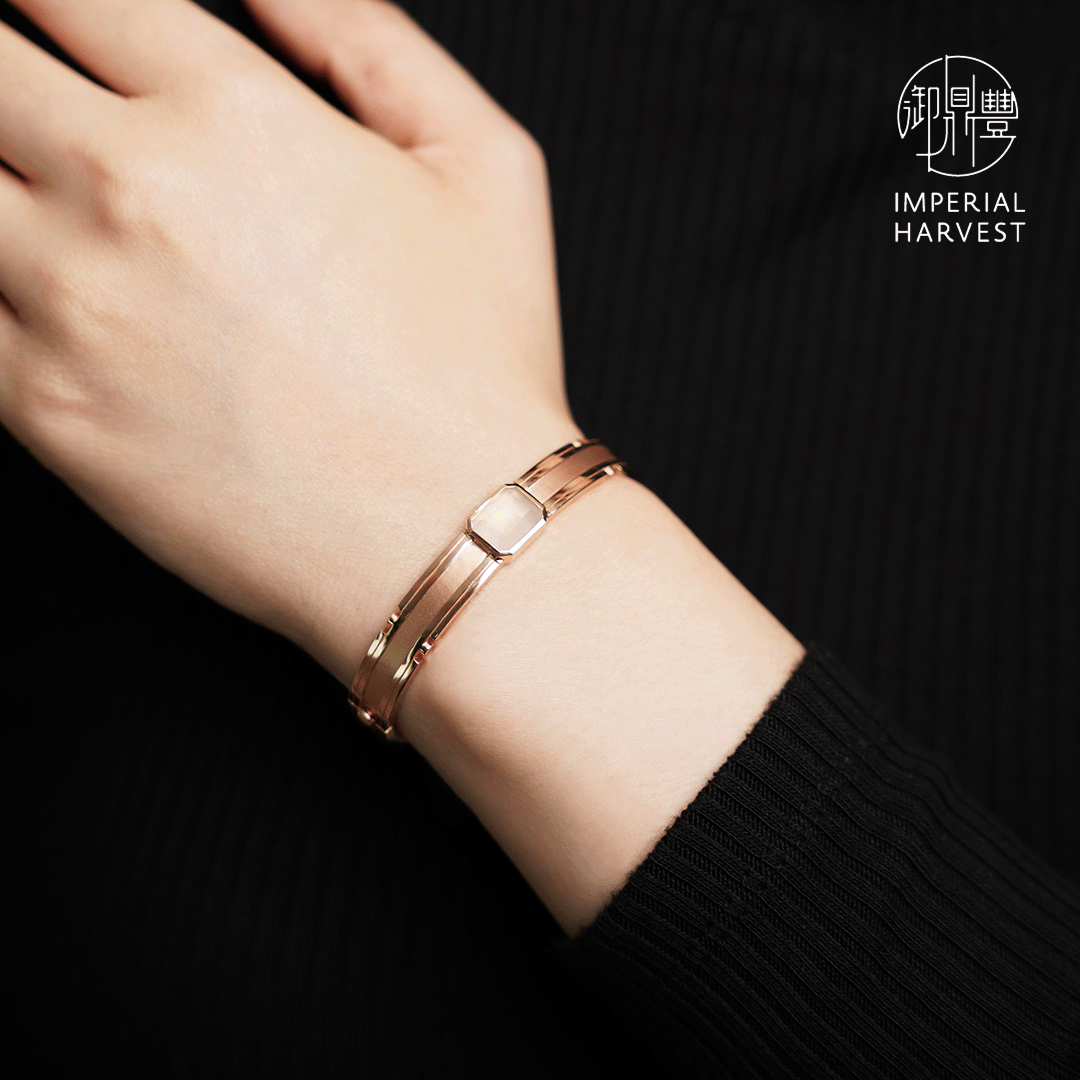
These bangles are not merely inspired by history — they are conduits of heritage, harmony, and Heaven’s favour. From imperial altars to your wrist, the Temple of Heaven lives on — not as a monument of the past, but as a living presence in the art, energy, and elegance of Imperial Harvest.